
11 Pros and Cons of Living in Tasmania in 2026

Australia Travel Hub contains affiliate links and is a member of the Amazon Services LLC Associates Program. If you make a purchase using one of these Amazon links, we may receive compensation at no extra cost to you. See our Disclosure Policy for more information.
Exploring the pros and cons of living in Tasmania helps paint a clear picture of what life on the island really feels like.
The landscapes stay calm and unspoiled, and the slower pace makes everyday life feel gentler than in the bigger cities on the mainland.
The mix of forests, beaches, and small towns creates a setting that feels grounded and easy to settle into.
Life here also comes with practical points worth weighing up.
The island’s distance can affect travel plans, job options, and access to some services, which makes it important to understand both the benefits and the trade-offs before making the move.
Each aspect shapes what living in Tasmania looks like day to day.
Tasmania offers a lifestyle built around space, nature, and a quieter rhythm. It’s a place that suits people who enjoy simplicity and steady routines, while still wanting character and charm in their surroundings.
This guide breaks down the key pros and cons to help make the decision feel clearer and more manageable.
Want a deeper dive into the pros and cons of living in Tasmania? 🎥
If you’re curious how these points play out in real life, check out our latest YouTube video, “11 Pros and Cons of Living in Tasmania.”
Watch the video here 👇

Don’t forget to like the video, subscribe to our channel, and ring the notification bell so you never miss out on our latest content about living and travelling in Australia!

Tasmania’s natural beauty feels steady and untouched, making it one of the island’s strongest drawcards.
The landscapes shift quickly from rugged peaks to calm bays, giving every corner a different kind of charm. Places like Cradle Mountain and Freycinet offer views that stay with you long after leaving.
The coastline is dotted with quiet, pristine beaches that make slow days by the water feel easy.
Inland, the mountains rise above deep forests and create clear paths for hikers and climbers who want something a bit more adventurous.
The rivers move gently through wide valleys and set the scene for kayaking, fishing, or simply taking in the stillness.
This mix of coast, forest, and high country creates endless options for spending time outdoors.
Tasmania gives nature lovers plenty to explore and makes every trip into the wild feel simple and rewarding.
Join us on Facebook
✔️ EXCLUSIVE TRAVEL TIPS
✔️ DESTINATION INSPIRATION
✔️ LOCAL INSIGHTS
✔️ TRAVEL DEALS

2. Arts and Culture

Tasmania’s natural beauty feels steady and untouched, making it one of the island’s strongest drawcards.
The landscapes shift quickly from rugged peaks to calm bays, giving every corner a different kind of charm. Places like Cradle Mountain and Freycinet offer views that stay with you long after leaving.
The coastline is dotted with quiet, pristine beaches that make slow days by the water feel easy.
Inland, the mountains rise above deep forests and create clear paths for hikers and climbers who want something a bit more adventurous.
The rivers move gently through wide valleys and set the scene for kayaking, fishing, or simply taking in the stillness.
This mix of coast, forest, and high country creates endless options for spending time outdoors.
Tasmania gives nature lovers plenty to explore and makes every trip into the wild feel simple and rewarding.
3. Safety and Community
Tasmania has a strong reputation for safety, and the relaxed pace of life makes this easy to feel from day to day.
Crime rates stay low and the quieter atmosphere gives the island a calm rhythm that can be hard to find in larger cities.
This sense of ease shapes how people live and move through their towns.
Community ties run deep across the island. Neighbours often look out for each other, local events bring people together, and small towns tend to welcome new residents without much hesitation.
It’s common to see people offering help when needed, which builds a steady feeling of support.
This mix of safety and genuine community spirit makes Tasmania appealing for families and anyone wanting a gentler lifestyle.
The island offers a grounded and friendly environment where settling in feels natural and stress-free.
4. Affordable Housing

Tasmania’s housing market offers a level of affordability that’s becoming rare across Australia, especially when compared with the rising prices in the larger mainland cities.
The cost of buying a home tends to be far more manageable, which opens the door for first-home buyers, young families, and retirees wanting a calmer lifestyle without heavy financial pressure.
Living costs stay lower across the island, from utilities to general upkeep, which helps make day-to-day life feel more achievable.
These savings often free up room in the budget for long-term plans, family needs, or simply a slower pace that doesn’t rely on constant spending.
Property taxes and maintenance costs also lean lower than many major cities.
For retirees, this means pension funds stretch further while still enjoying quiet surroundings and natural beauty.
For families and new buyers, it creates the chance to find a home with enough space to grow.
This mix of affordability and scenery is a big reason so many people consider moving to Tasmania, as it offers both financial breathing room and a peaceful place to put down roots.
5. Laid-back Lifestyle
Tasmania’s laid-back lifestyle is one of the island’s biggest drawcards, especially for anyone wanting a break from the fast pace of larger cities.
The slower rhythm shows up in simple moments like quiet mornings at local cafés, easy walks along the coast, and unhurried afternoons in small town centres.
Life moves gently here, and that calm atmosphere becomes part of everyday living.
This slower pace gives people more room to connect with their surroundings and the community around them.
It often leads to stronger relationships, clearer routines, and a better appreciation for small pleasures.
Many residents find their stress levels drop, making space for hobbies, family time, and looking after their own wellbeing.
Choosing Tasmania is often about stepping away from constant rush and embracing a lifestyle that values balance.
The focus shifts from keeping up to living well. It’s a place that suits anyone wanting to downshift and build a life that feels lighter, calmer, and more meaningful.
6. Accessibility

Tasmania may be separated from the mainland, but getting to and from the island is easier than most people expect.
Airports in Hobart, Launceston, and Devonport offer frequent flights to major Australian cities, which keeps travel quick and uncomplicated.
This steady flow of connections makes the island feel far more accessible than its location suggests.
Moving around within Tasmania is just as simple. The island’s small size and well-kept roads make trips between towns and cities short and stress-free.
Traffic rarely builds up, which means daily commutes stay manageable and there’s more time left for family, work, or personal plans.
This level of accessibility supports the relaxed lifestyle Tasmania is known for.
Easy travel, low congestion, and smooth connections all play a part in creating the strong work-life balance many residents enjoy.
Cons of Living in Tasmania
7. Limited Job Opportunities
Limited job options are one of the main challenges people notice when thinking about a move to Tasmania.
The smaller population and the island’s distance from the mainland mean there aren’t as many roles as you’d find in bigger states.
This is especially true for specialised fields like advanced tech, research, and certain corporate sectors.
Anyone planning to relocate might need to stay flexible with their career expectations.
Some people shift into related roles, take on more general positions, or explore industries that are stronger in Tasmania.
Tourism, agriculture, and public services often provide steadier opportunities and can offer a more reliable path for long-term work.
The island’s job market also encourages a strong sense of creativity.
People with an entrepreneurial mindset often find space to build small businesses, fill local gaps, or tap into the growing tourism market.
The state government supports this through grants and resources, which helps new ideas take shape.
While the professional network is smaller and traditional roles can be limited, the environment leaves room for innovation and fresh starts.
8. Geographical Isolation
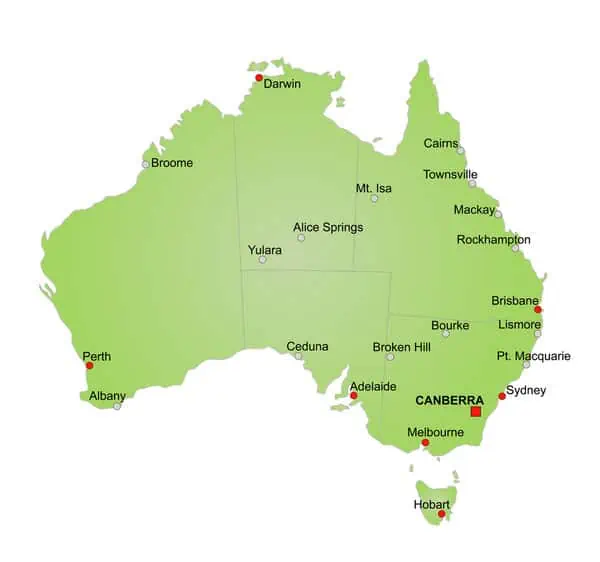
Tasmania’s distance from the mainland gives the island its quiet charm, but it also creates a few practical challenges.
The separation can feel noticeable for people used to larger cities, and the slower pace of life may take time to adjust to.
Some residents feel the remoteness more than others, especially when they’re used to having bigger networks or constant activity around them.
The physical distance also affects the cost of living.
Goods that aren’t produced locally need to be shipped or flown in, which raises prices on everyday items like certain foods, electronics, and other household products.
Some services and products aren’t as easy to access, and waiting longer for deliveries is fairly common. These extra freight costs can make things tougher for both households and small businesses.
Even with these drawbacks, many people feel the trade-off is worth it.
The calm environment, open space, and strong community spirit often outweigh the challenges of being further from the mainland.
Local businesses and residents tend to support each other, which helps soften the impact of higher costs and limited availability.
This sense of resilience and connection is part of what makes life in Tasmania feel grounded and meaningful.
9. Cold Weather

Tasmania’s climate stays cooler than most of Australia, and that shift can take some getting used to if coming from warmer places.
Its southern location brings crisp winters and mild summers, with frost and the occasional snowfall in higher areas like the Central Highlands.
The cooler air becomes a steady part of daily life.
Winter usually means warmer clothes, solid home insulation, and heating running for long stretches. These things can lift energy costs, and planning for them becomes part of normal household routines.
The cold can feel sharp at times, especially early in the morning or late at night.
The cooler climate also brings clear benefits. Summer days stay comfortable rather than harsh, which makes spending time outside feel easier and helps with sleep on warm nights.
The conditions support crops like apples and hops, helping Tasmania’s agricultural industry thrive.
The changing seasons add colour across the year, from snowy peaks to bright autumn leaves and soft spring blooms.
For anyone who prefers cooler weather or wants a break from mainland heat, Tasmania offers a refreshing shift.
10. Limited Services and Amenities
Tasmania can feel limited in services and amenities, especially in rural and remote areas.
Smaller towns and spread-out communities don’t always support the same level of infrastructure found in big cities, so day-to-day access to certain services can feel different.
This is a normal part of island living and something worth keeping in mind.
Healthcare options can be more restricted, with fewer specialists and medical facilities nearby.
For some treatments, residents often travel to larger towns or to Hobart for more complete care.
Education options, especially at the tertiary level, can also be narrower, which sometimes leads students to study interstate or in bigger cities for more choices.
Retail and entertainment are simpler in rural Tasmania.
Essentials are usually easy to find, but clothing, electronics, and specialty items might require a trip to a larger centre or online ordering.
Cinemas, restaurants, and major events aren’t as frequent, although local festivals and community gatherings often fill that gap and add their own charm.
Even with these limits, many people feel the benefits outweigh the drawbacks.
The slower pace, strong community ties, and peaceful surroundings make everyday life feel grounded.
These challenges also encourage residents to be resourceful and supportive of each other, which builds a sense of independence and community pride.
11. Cultural and Social Adjustment
Cultural and social adjustment can feel noticeable when moving to Tasmania, especially for anyone coming from bigger, faster cities.
The pace here is slower and the daily rhythm feels more relaxed, which can seem limiting at first if you’re used to having endless options at any hour.
Life runs on a gentler timetable and that shift takes a bit of getting used to.
The social scene is smaller too, particularly outside Hobart and Launceston.
Nightlife, dining, and entertainment are more low-key, and events don’t roll out as often as they do in major metropolitan areas.
The arts scene is active but operates on a smaller scale, with fewer large international exhibitions. It’s a different style of community life, shaped by the island’s size.
Smaller towns often have close-knit circles, and settling in socially can take time.
Joining clubs, showing up to local events, or volunteering usually helps with meeting people and understanding local customs.
The adjustment may feel slow at first, but once settled, many people find the relationships they build run deeper and feel more genuine.
The strong community spirit often becomes one of the most rewarding parts of living in Tasmania.
Frequently Asked Questions: Living in Tasmania
Is Tasmania A Good Place To Live?
Yes, Tasmania is a great place to live, especially for those who appreciate natural beauty, a strong sense of community, and a more relaxed lifestyle.
The island offers affordable housing, low crime rates, and stunning landscapes, making it ideal for families, retirees, and anyone seeking a quieter life.
Are Tasmanian People Friendly?
Yes, Tasmanian people are known for their friendliness and welcoming nature.
The community spirit in Tasmania is strong, with residents often going out of their way to help newcomers feel at home.
This warm, inclusive atmosphere makes integrating and forming lasting connections easy.
What Are The Disadvantages Of Living In Tasmania?
Living in Tasmania can have disadvantages, including limited job opportunities, especially in certain professional sectors.
Geographic isolation can lead to higher costs for goods and sometimes a sense of remoteness.
Additionally, the cooler climate may not suit everyone, and rural areas might lack some services and amenities in larger cities.
Where Is The nicest Place To Live In Tasmania?
Living in Tasmania can have some disadvantages, including limited job opportunities, especially in certain professional sectors.
Geographic isolation can lead to higher costs for goods and sometimes a sense of remoteness.
Additionally, the cooler climate may not suit everyone, and rural areas might lack some services and amenities found in larger cities.
Is It Cheap To Buy A House In Tasmania?
Yes, buying a house in Tasmania is generally more affordable than in many other regions in Australia.
However, prices vary significantly within the state.
In regional areas, median house prices can start at around $300,000, while in Hobart, prices are higher, often exceeding $600,000 due to the city’s popularity and limited housing supply.
This range makes Tasmania attractive for first-home buyers and retirees seeking value for their investment.
Final thoughts: Living in Tasmania Pros and Cons
Tasmania offers a unique blend of serene landscapes, a supportive community, and affordable living options, making it an appealing choice for those seeking a change from the hustle and bustle of mainland Australia.
While it has its challenges, such as a cooler climate and limited job opportunities, the benefits of its laid-back lifestyle and natural beauty are considerable.
If you’re intrigued by Tasmania and considering making it your home, explore what this charming island offers.
Check out my other post about Tasmania for more detailed insights and tips on making an informed decision.
