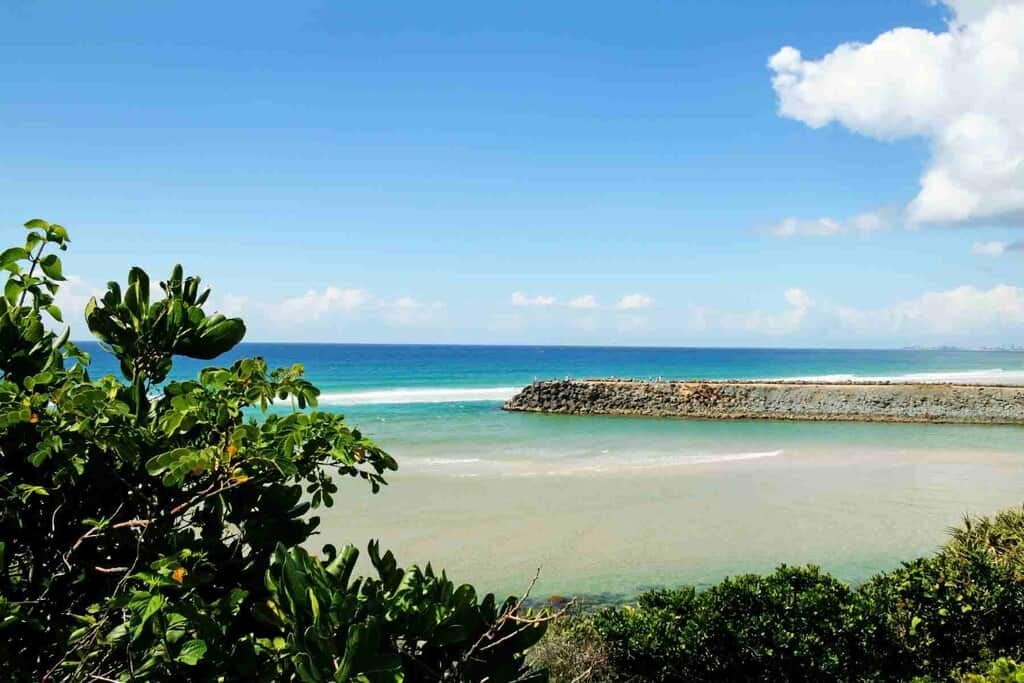
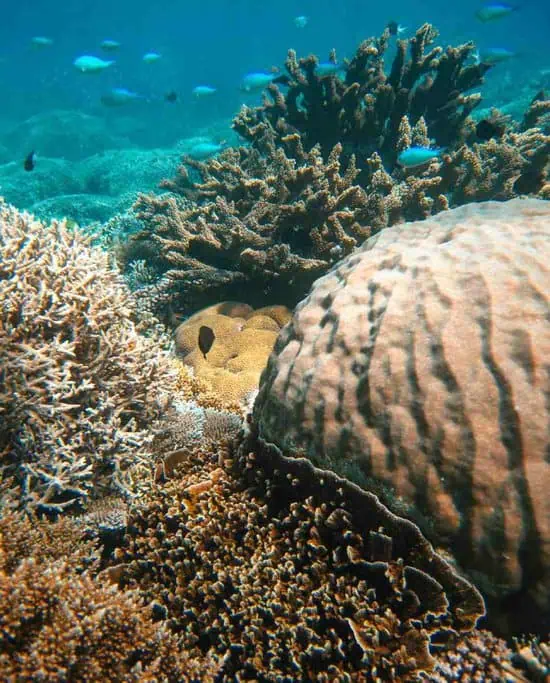
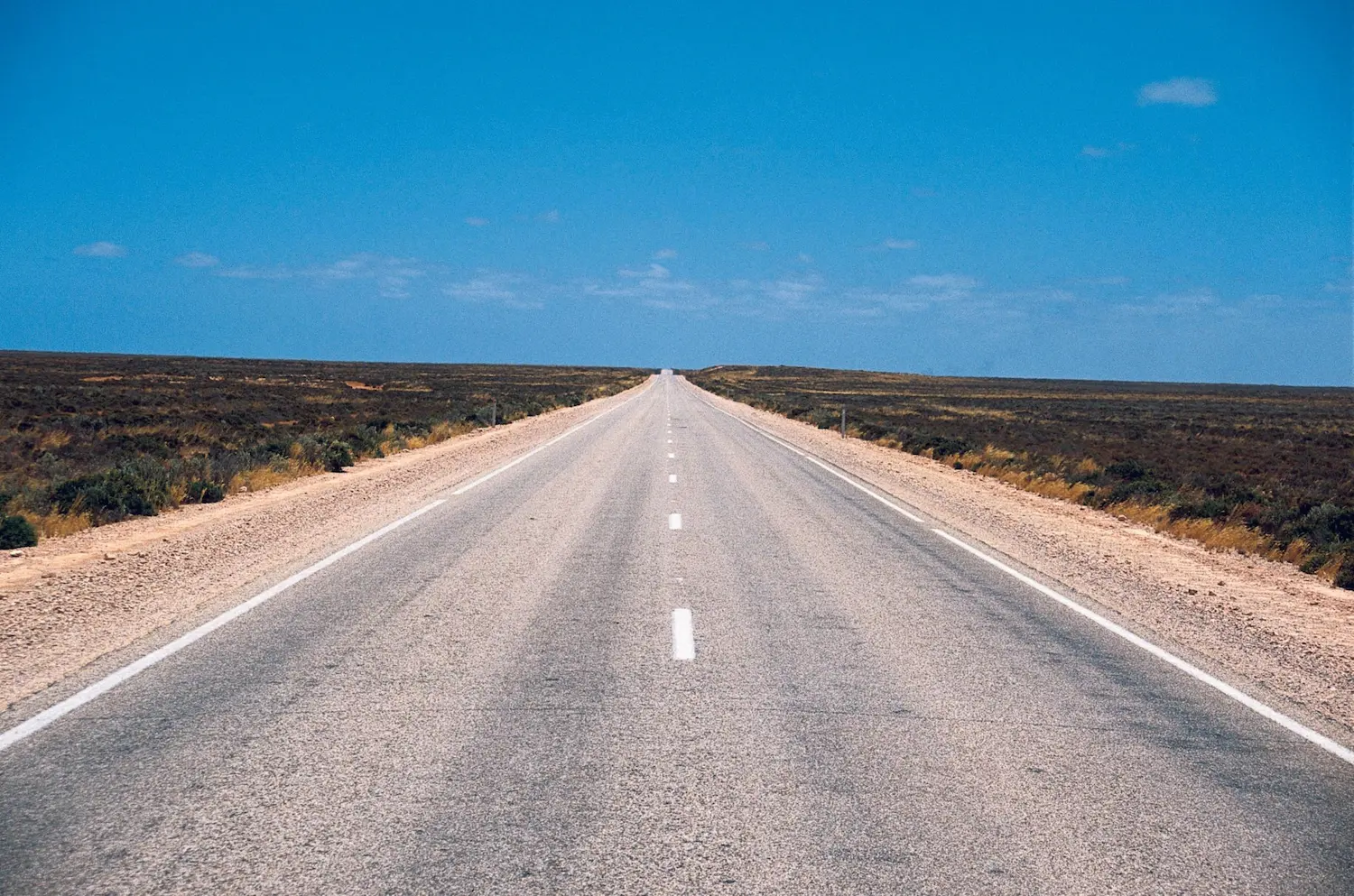
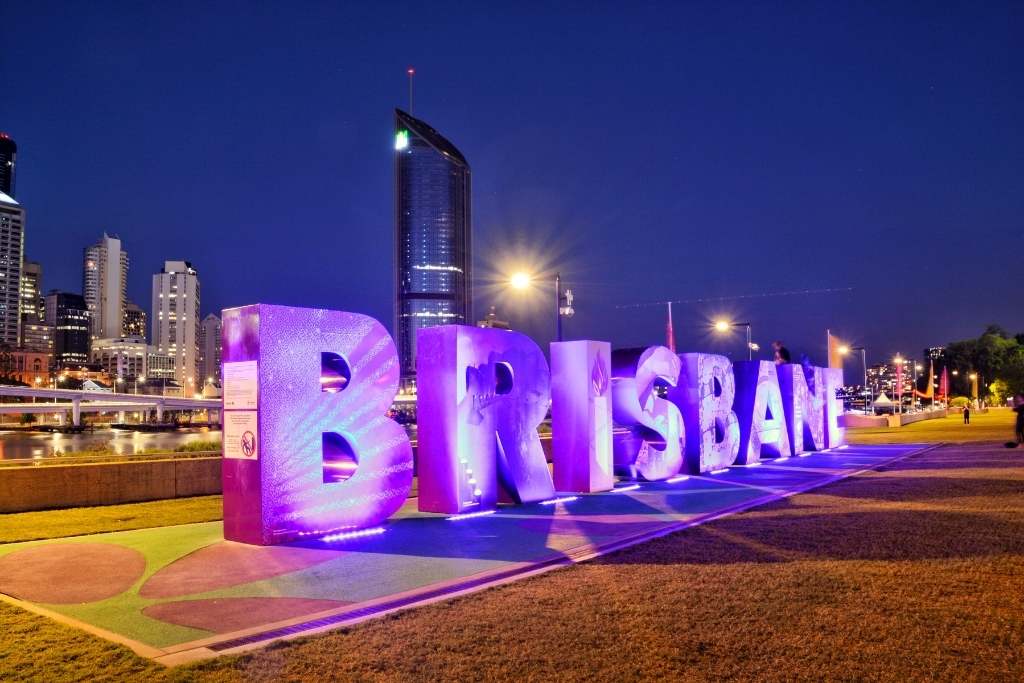
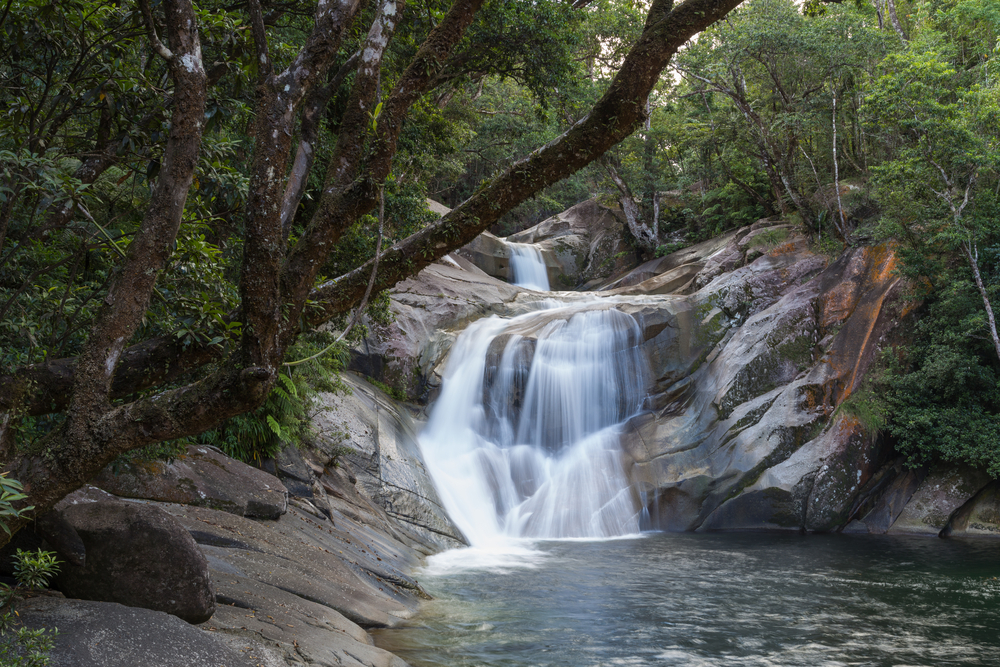
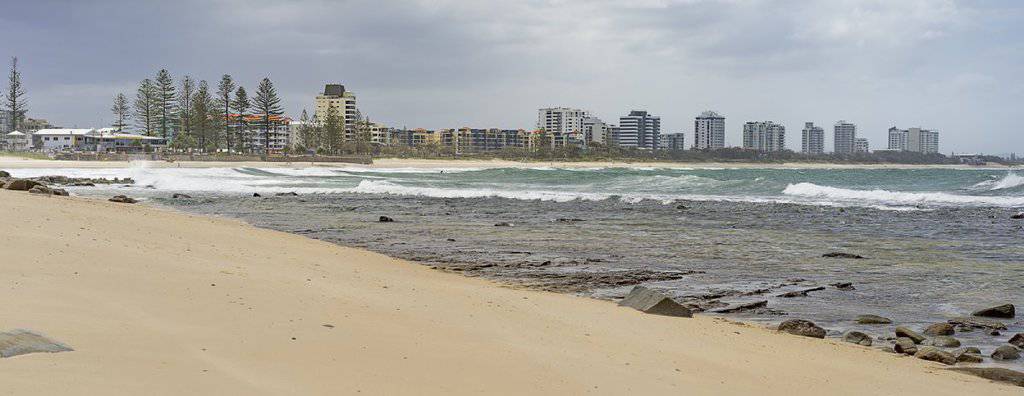
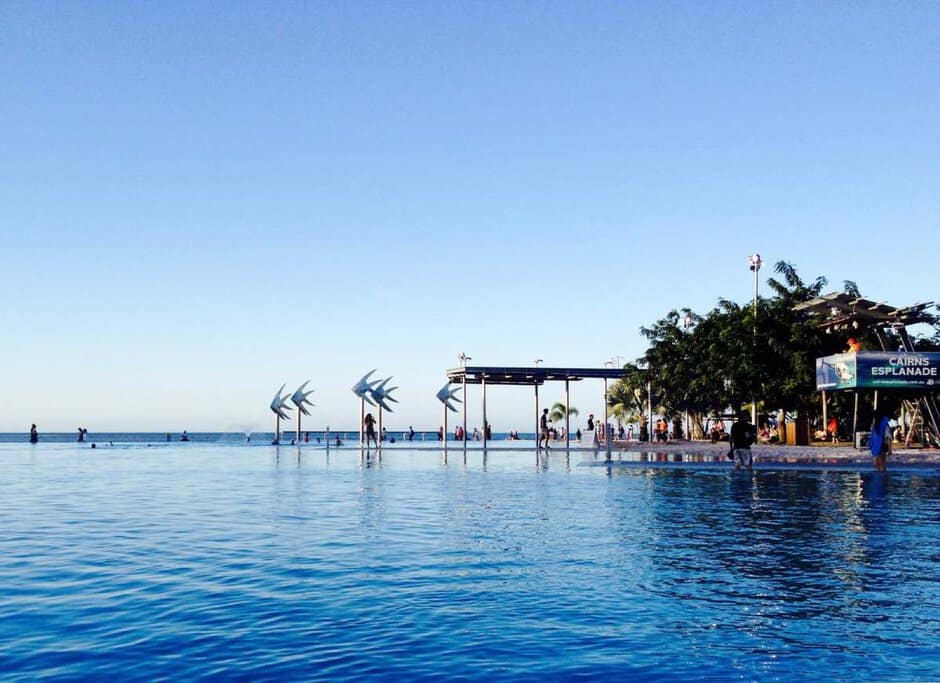
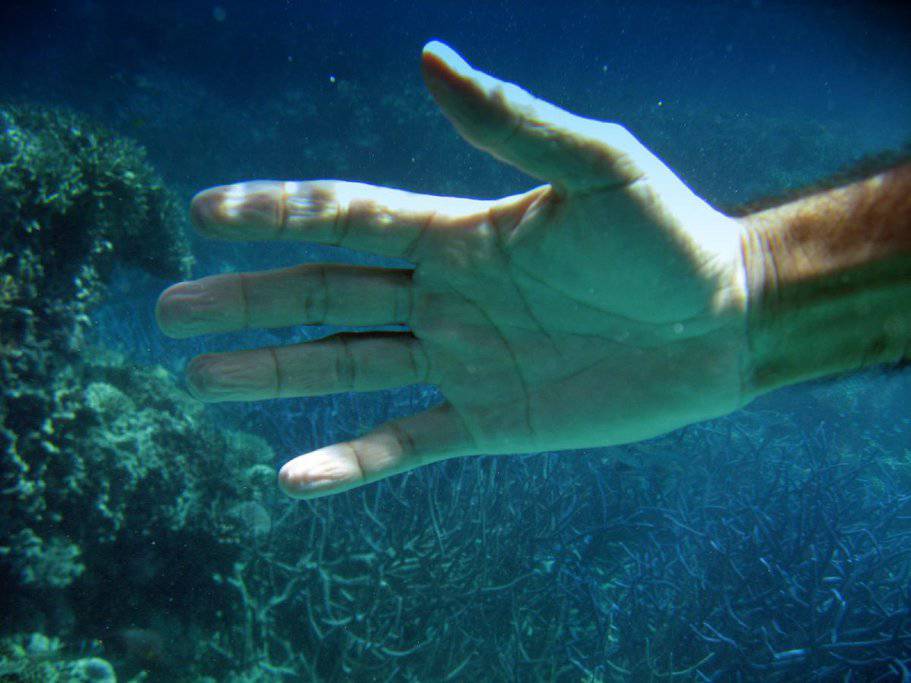
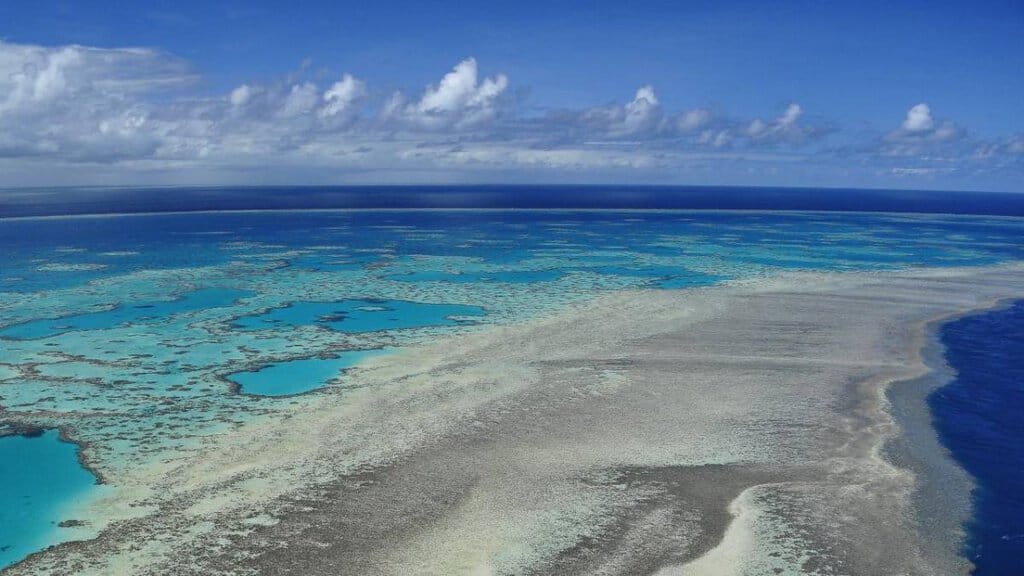
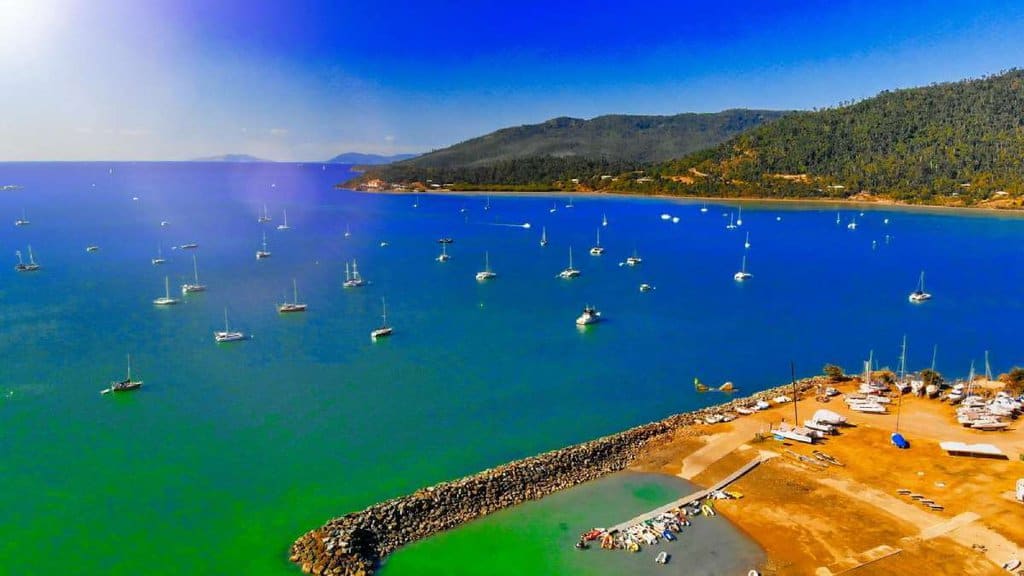
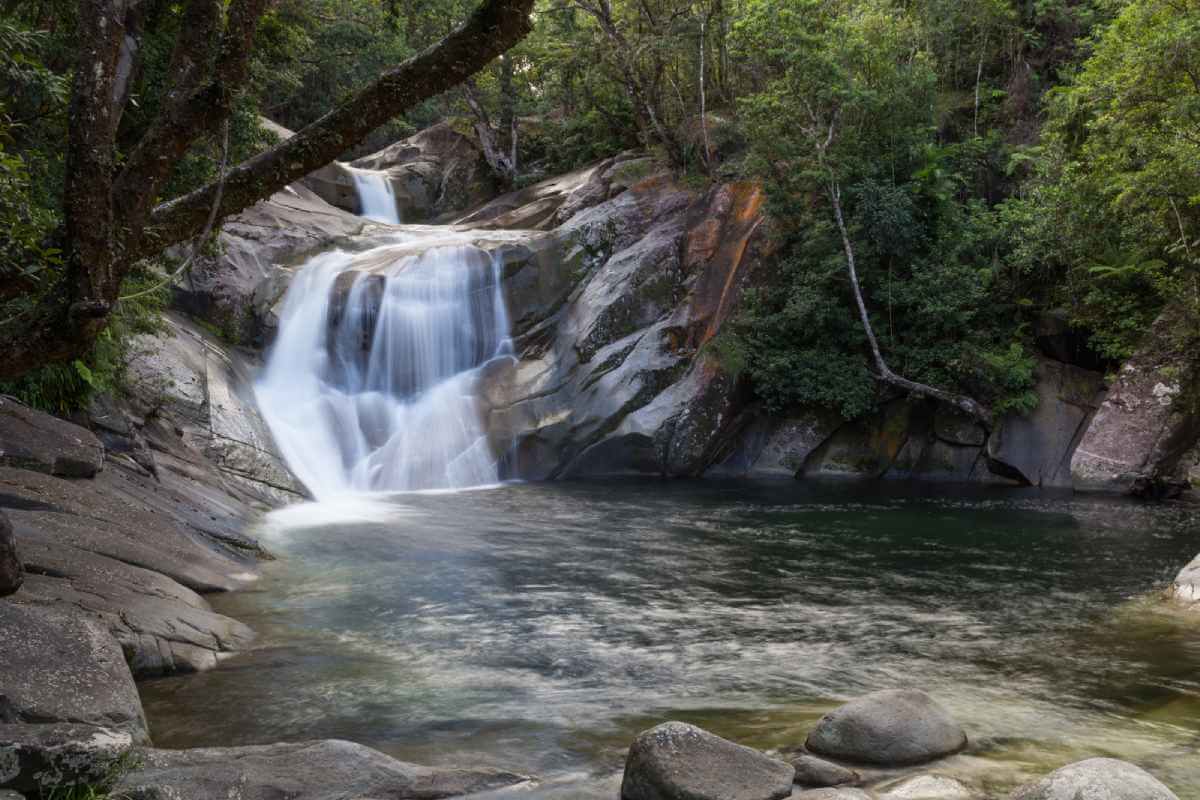
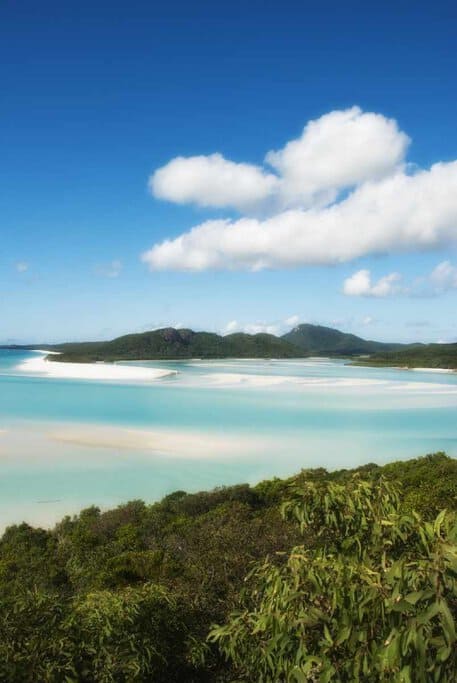
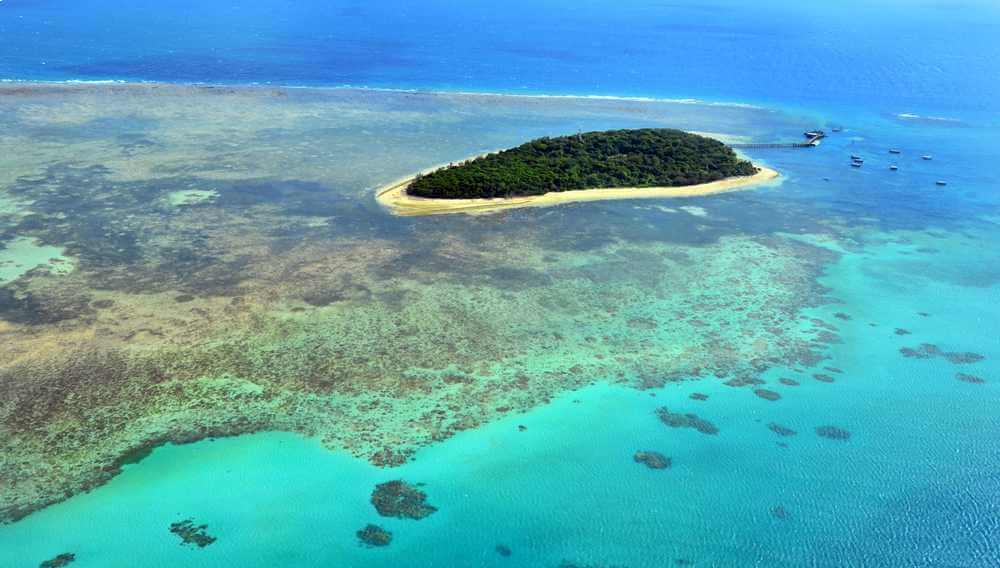
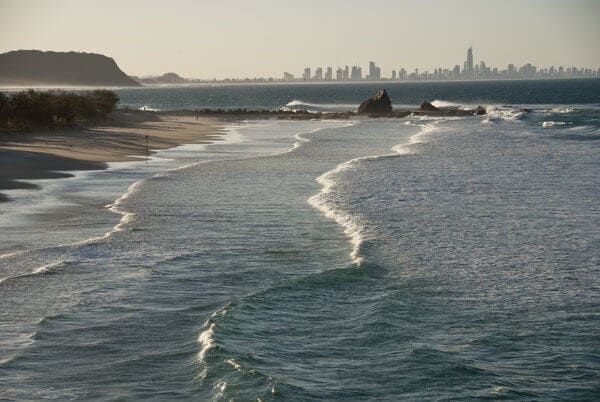
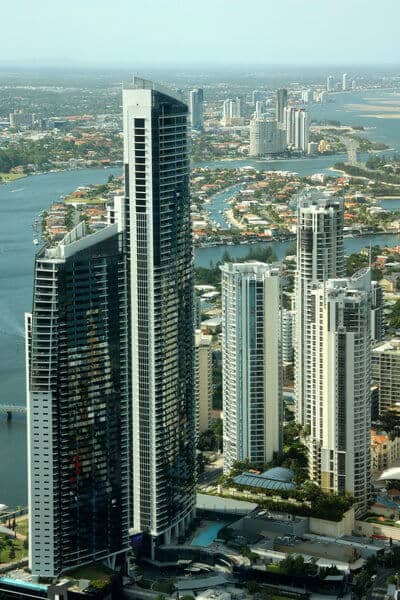
Queensland is a big state, and it covers a lot of different types of travel. The Gold Coast is beaches, theme parks, and surf. Brisbane is a proper city that’s worth more time than most people give it. The Whitsundays are sailing and reef. Cairns is the jumping-off point for the Great Barrier Reef and the Daintree Rainforest. Outback Queensland is something else entirely — red dirt, wide horizons, and very few other tourists.
Most people pick one part of Queensland and focus on that, which makes sense given the distances involved. Brisbane to Cairns is around 1,700km. Don’t try to do it all in one trip unless you’ve got a few weeks up your sleeve.
When to Visit Queensland
It depends heavily on where you’re going. Brisbane and the Gold Coast are good year-round — winters are mild and sunny, summers are warm but humid. The best time to visit is May through September when the weather is comfortable, and it’s not the peak school holiday season.
Cairns and Tropical North Queensland are trickier. The dry season (May to October) is the best time to go — clear skies, calm seas, and good visibility on the reef. The wet season (November to April) brings heavy rain, flooding, and stinger season in the water, which limits swimming at the beach without a stinger suit. The Whitsundays are similar — aim for May to October for the best sailing conditions.
How to Get to Queensland
Brisbane Airport has direct flights from Sydney (around 1.5 hours), Melbourne (around 2 hours), and Perth (around 4.5 hours), as well as international connections from Asia, New Zealand, and the Pacific. Cairns Airport also has direct domestic flights from Sydney, Melbourne, and Brisbane — worth booking direct rather than connecting through Brisbane if you’re heading straight to the reef.
Driving from Sydney to Brisbane takes around 10–11 hours on the Pacific Highway. It’s a popular road trip, and most people break it up over 2 days, stopping somewhere like Coffs Harbour or Byron Bay along the way.
Getting Around Queensland
In Brisbane and southeast Queensland, public transport runs on the Translink network — buses, trains, CityCat ferries, and trams. You can tap on and off with a contactless debit or credit card (Visa or Mastercard), your phone, or a smartwatch. Fares are currently a flat 50 cents per journey anywhere in the southeast Queensland network, which makes getting around Brisbane genuinely cheap. No separate transit card needed.
Outside Brisbane, a hire car is essential. Regional Queensland is vast, and public transport doesn’t cover most of it. For the Whitsundays, you’ll fly or drive into Airlie Beach and take a ferry or sailing tour out to the islands from there. Kangaroo Island-style day trips don’t apply here — the reef and islands need at least an overnight stay to do properly.
Where to Start in Queensland
It depends on what you’re after. If it’s the reef and tropical north, fly direct to Cairns and base yourself there. If it’s beaches and a city mix, start in Brisbane and head to the Gold Coast or Sunshine Coast as a day trip or overnight. The Whitsundays need their own dedicated trip — fly into Proserpine (Whitsunday Coast Airport) or Mackay and make your way to Airlie Beach from there. Use the guides below to plan each region.