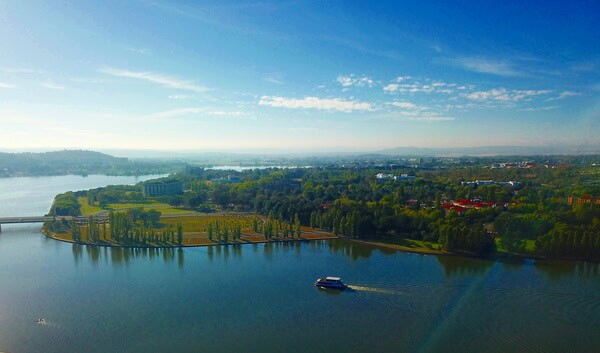
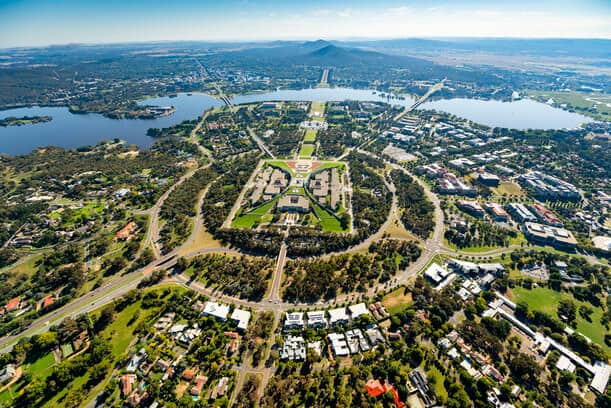
Canberra gets written off more than any other Australian capital, and most of the people writing it off haven’t actually been. It’s a planned city — purpose-built as a compromise between Sydney and Melbourne — and it shows in the wide boulevards and lake at the centre of everything. But what surprises most visitors is how much is actually here.
The Australian War Memorial is one of the best museums in the country, full stop. The National Gallery of Australia has the largest art collection in the Southern Hemisphere. Parliament House is free to visit and genuinely interesting. Add in some good restaurants, a growing coffee scene, and the Namadgi National Park on the city’s doorstep, and Canberra is a much better weekend trip than most people expect.
When to Visit the ACT
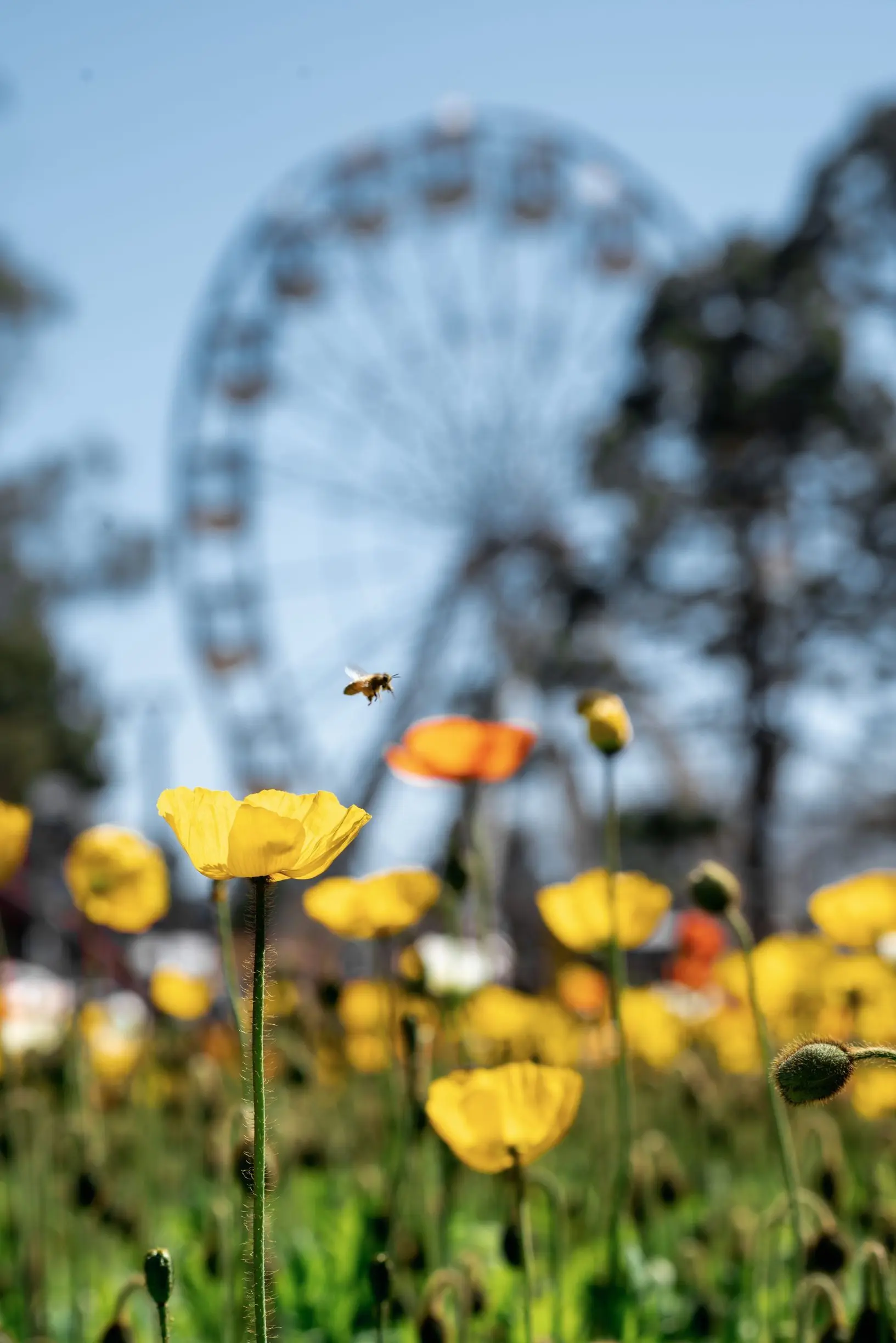
Autumn (March to May) is the best time to visit Canberra. The Enlighten festival runs in March, the Floriade flower festival runs from September to October, and the autumn leaves around Lake Burley Griffin and in the suburbs are genuinely worth seeing through April and May. Canberra gets proper cold winters — frosts are common, and it occasionally snows — so pack accordingly if you’re going between June and August. Summer is warm and dry, usually in the high 20s to low 30s, and the city is quieter than usual with many public servants on leave.
How to Get to the ACT
Canberra Airport has direct flights from Sydney (around 45 minutes), Melbourne (around 1 hour), Brisbane (around 1 hour 45 minutes), and Adelaide (around 2 hours). It’s well-connected for a smaller airport. Driving from Sydney takes about 3 hours on the Federal Highway — one of the easiest interstate drives in the country. From Melbourne, it’s around 6.5 hours via the Hume Highway.
There’s also a regular coach service between Sydney and Canberra — the journey takes around 3.5 hours, and several operators run it daily. The train from Sydney to Canberra via Goulburn takes around 4 hours with NSW TrainLink.
Getting Around the ACT
Canberra has buses and a light rail line running from Gungahlin in the north through the city centre to Civic. Both use the MyWay+ system — you can tap on and off with a contactless Visa or Mastercard, your phone, or a smartwatch. No separate transit card needed if you’re just visiting for a few days. Cash is not accepted on buses.
The honest truth about Canberra is that a car makes things easier. The city is spread out and was designed around driving. The main cultural attractions — the War Memorial, Parliament House, and the National Gallery — are all clustered around Lake Burley Griffin and are walkable from each other, but getting between different parts of the city is quicker by car. Canberra Airport is about 8km from the city centre — a taxi or Uber takes around 15 minutes and costs roughly $25–$35.
Where to Start in the ACT
The national institutions around Lake Burley Griffin are the obvious starting point — Parliament House, the Australian War Memorial, the National Gallery, and the National Museum are all within a short drive or ride of each other. Allow at least a full day just for those. Gorman Arts Centre and the inner-city suburbs of Braddon and NewActon are worth a look for food and coffee. If you’ve got more time, Namadgi National Park covers about 46% of the ACT and has good hiking close to the city. Use the guides below to plan your Canberra trip.