
Is Australia Worth Visiting?

If you’re wondering whether Australia’s actually worth the flight, the cost, or even the planning—honestly, I get it. I had those same questions before I moved here in 2018.
Since then, I’ve lived in Townsville, Sydney, and now Adelaide, and every place has shown me a different side of the country.
One week you’re hiking through bushland with wallabies bouncing by, the next you’re sipping world-class wine in the Barossa, and then suddenly you’re stuck in Sydney traffic, wondering how this all fits in one country.
Join us on Facebook
✔️ EXCLUSIVE TRAVEL TIPS
✔️ DESTINATION INSPIRATION
✔️ LOCAL INSIGHTS
✔️ TRAVEL DEALS
Australia is huge, beautiful, weird in the best way, and full of contrasts. But it’s not all koalas and beaches—there are things to consider like cost, distance, and how spread out everything is.
So in this post, I’m laying it all out. I’ll share what makes Australia amazing, what can be a bit tricky, and whether it’s worth putting on your travel list.
Watch our YouTube Video Here 👇

What Makes Australia Special
Australia’s a country that sticks with you. It’s not just about ticking off big tourist spots—though places like the Great Barrier Reef, Uluru, and Bondi Beach definitely live up to the hype.
What makes it special is the mix of everyday beauty, wild adventures, and how different each state feels from the next.
You’ve got more than 10,000 beaches to explore—seriously, you could hit a new one every day for almost 30 years.

There’s vibrant city life in Melbourne and Sydney, but also sleepy towns with local bakeries, ocean views, and that classic Aussie vibe.
If you’re into wildlife, there’s nowhere else where kangaroos just bounce across the road or koalas nap in trees while you sip your morning coffee.

One of my favourite things is the freedom of road tripping. Australia’s built for it.
Whether you’re driving through the Red Centre, cruising the Great Ocean Road, or weaving past vineyards in South Australia, the scenery changes fast—and it never gets old.
And then there’s the culture. Aboriginal heritage runs deep here, and if you take the time to connect with it, you’ll see the country in a whole new way.
Add in the food (hello, fresh seafood and top-tier coffee), the laid-back lifestyle, and the space—like actual space—and you’ve got a destination that delivers way more than just Instagrammable moments.
So yeah, when people ask, “Is Australia worth visiting?”—I don’t just say yes. I say it’s one of the most unique, beautiful, and surprising places you’ll ever go.
Want the full list of what makes Australia incredible?
I’ve pulled together 25 epic reasons to visit Australia, including must-see spots, local gems, wildlife encounters, and travel moments you’ll never forget.
👉 Read the full list here.
Who Is Australia Best For?
Australia’s not just for one type of traveller—it’s got something for just about everyone. Whether you’re flying solo, bringing the kids, or chasing luxury, there’s a version of Australia that fits. Here’s how different travellers can make the most of it.
✅ Solo Travellers (including solo female travellers)
Travelling solo in Australia feels safe, relaxed, and open. There’s a strong backpacker network, loads of hostels, and tours designed for meeting people.
Solo female travellers often say it’s one of the easier countries to navigate alone—especially with helpful locals and good public transport in cities. Some remote areas require a bit more planning, but for the most part, it’s smooth sailing.
✅ Couples
Romantic road trips, beach picnics, vineyard stays, and luxury eco-lodges—Australia’s perfect for couples. Head to Byron Bay for laid-back coastal vibes or sip wine under the stars in Margaret River.
Whether it’s your honeymoon or just a holiday for two, the mix of quiet nature and boutique stays hits the sweet spot.
✅ Families with Kids
There are loads to do that keep both parents and kids happy. Wildlife parks, interactive museums, beach days, and wide-open spaces for running around.
Destinations like the Gold Coast, Sunshine Coast, and Cairns are packed with family-friendly activities and accommodation.
Long distances between stops can be tricky with little ones, so sticking to one region works best.
✅ Budget Travellers
Backpacking in Australia is doable if you plan smart. There are plenty of free activities—beaches, hikes, national parks—and you can save by cooking in hostels, taking overnight buses, or hiring campervans.
East Coast cities tend to be pricier, but if you explore smaller towns and travel off-peak, your money goes further.
✅ Luxury Travellers
From private island resorts in the Whitsundays to fine dining in Hobart and high-end lodges in the Outback, Australia does luxury beautifully.
It’s ideal for those after exclusive experiences—think helicopter flights over the reef, winery tastings with views, and beachfront stays with barely anyone around.
✅ Adventure Seekers
If you’re chasing thrills, Australia delivers. Dive with sharks in South Australia, skydive over Mission Beach, sandboard in Lancelin, or surf along the coast.
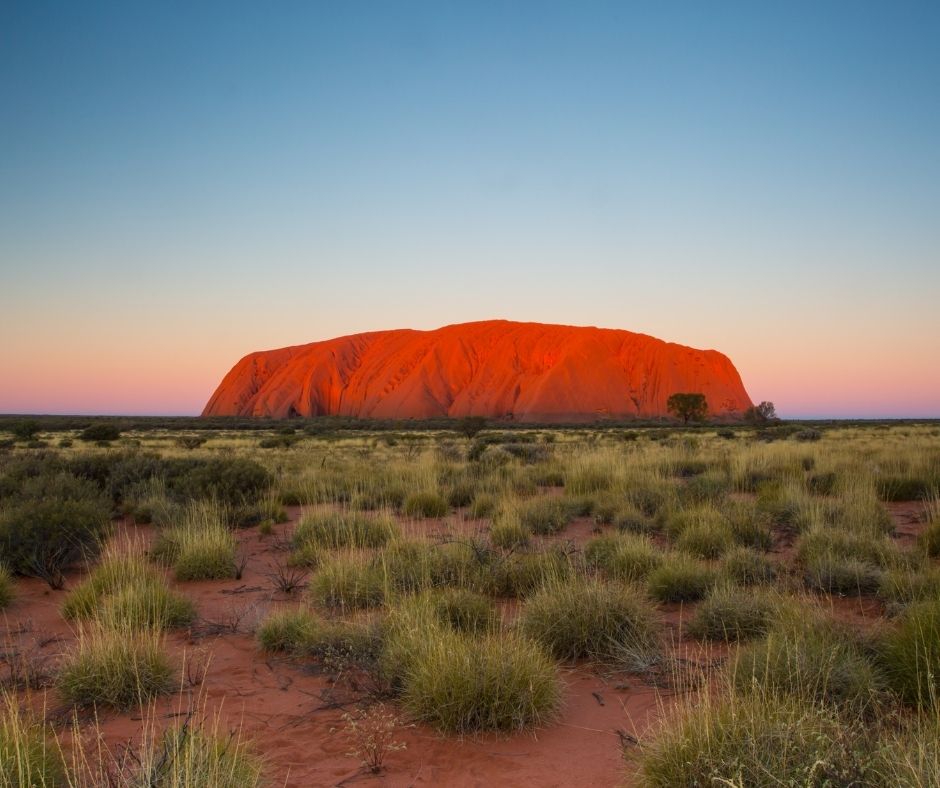
National parks offer incredible hiking, and there are road trips that feel like full-on expeditions—especially if you head into the Red Centre or across the Nullarbor.
✅ Food and Wine Lovers
From farmers’ markets in Tasmania to gourmet experiences in the Barossa and Yarra Valley, Australia’s a treat.
You’ll find some of the best wines in the world, seafood straight off the boat, and cafes serving next-level coffee. Local food culture is relaxed but high quality—perfect for travellers who want to taste their way through a region.

When’s the Best Time to Visit?
Australia doesn’t really do “one perfect season”—it depends on where you’re heading and what you’re planning to do. Because the country’s massive, the weather shifts fast between states, and timing your trip right can make a big difference.
☀️ Summer (December to February)
This is beach season, especially if you’re hanging around the south—think Melbourne, Sydney, Adelaide, and Tasmania. It’s hot, lively, and full of events.
But in the north (like Darwin or Cairns), it’s wet season—humid, stormy, and not the best for outdoor adventures or reef trips.
☀️ Autumn (March to May)
My personal favourite. You get cooler mornings and warm days, especially in South Australia and Victoria. It’s wine country weather, perfect for road trips and hiking. The crowds ease off after summer, so you get more space to explore.
☀️ Winter (June to August)
If you want to see snow in Australia (yep, we’ve got it), this is your time. The Snowy Mountains and Victoria’s alpine regions are open for skiing. Up north, it’s dry season—so places like the Top End and the Outback are cooler, clearer, and easier to travel. Great time for Uluru or Kakadu.
☀️ Spring (September to November)
Everything starts blooming again. This season’s ideal for wildflowers in Western Australia, coastal road trips, and wildlife spotting—especially whales and baby animals. It’s not too hot, not too cold, and perfect if you want to squeeze in a mix of city, beach, and nature.
☀️ Quick Tips:
- Avoid the far north in summer (wet season = floods, mozzies, road closures)
- If you’re chasing the Great Barrier Reef, go May–October for the best visibility
- For fewer crowds and cheaper stays, look at shoulder seasons (March or October)

Is Australia Expensive to Visit?
Let’s be real—Australia isn’t the cheapest place to travel. Flights are long, food prices can bite, and activities add up fast. But with a bit of planning, it doesn’t have to blow the budget.
✈️ Flights
If you’re coming from overseas, the biggest upfront cost is usually the flight. From Europe or North America, you’re looking at around $1,500 AUD return (though prices change with the seasons).
Booking early and flying mid-week usually helps. If you’re already in Asia, flights are way cheaper—often under $500 AUD return.
💡 Did you know you can find some of the cheapest flights out there by searching on Skyscanner? I love using it because it pulls prices from loads of airlines in one go and shows the best day to fly without any fuss. Jump on Skyscanner to spot a great deal and book your next trip for less.
🏨 Accommodation
Prices vary heaps depending on where you stay. In the cities, hotels can get pricey, especially in peak season.
But there are budget hostels, caravan parks, and even free camping spots in regional areas. If you’re doing a road trip, van hire or staying in motels can save a fair bit.
- Hostel dorm: $30–60 AUD/night
- Mid-range hotel: $120–200 AUD/night
- Campsite or van park: $10–40 AUD/night
🍹Food and Drink
Eating out every meal adds up fast. A cheap takeaway meal might be $12–15 AUD, while sit-down dinners often start around $25–30 AUD.
That said, Australia has great supermarkets—and loads of accommodation has kitchen access. Cooking your own meals can stretch your dollars way further.
- Coffee: $4–6 AUD
- Pub meal: $20–25 AUD
- Restaurant dinner: $30–50 AUD
- Supermarket lunch: under $10 AUD
🚌 Transport
Getting around isn’t always cheap. Long distances mean internal flights are common. Trains and buses work for shorter routes, but road trips are often the most flexible (and scenic) option.
- City public transport: $3–5 AUD per ride
- Petrol: Around $2 AUD/L
- Budget airline flights: $80–150 AUD between major cities
- Campervan hire: from $50–100 AUD/day
🤿 Tours and Activities
This is where it adds up. Snorkelling the reef, day trips to wineries, wildlife tours—they’re all incredible, but the prices vary. Look out for combo passes, free walking tours, or DIY options.
- Great Barrier Reef snorkel tour: $180–250 AUD
- Uluru sunrise tour: $100–150 AUD
- Wine tasting tour: $120–180 AUD
- National park entry: Often free or under $20 AUD
You can easily book tours and activities with Viator, and it’s one of my favourite ways to find fun things to do around Australia. I like how simple it is to compare options, read honest reviews and lock in a spot without any hassle. Explore Viator and pick something that brings a little extra excitement to your travels.
⭐ Budget Travel Tips
- Travel in shoulder season (March–May or Sept–Nov)
- Use campervans or buses instead of flying everywhere
- Cook meals when you can
- Explore free stuff—Australia’s packed with beaches, hikes, and lookouts that don’t cost a cent
- Use apps for fuel discounts, camping spots, and cheap eats
So, is Australia worth it if you’re on a budget? 100%. It just takes some planning and flexibility—but the nature, wildlife, and wide-open spaces more than make up for the splurge moments.
How to Get Around (And Where to Go)
Australia’s massive—like, really massive. What looks like “just a few hours” on the map often turns into a full-day drive. But that’s part of the fun. How you travel depends on your time, budget, and how much ground you want to cover.
🛫 Flying Between Cities
For long distances—like Sydney to Perth or Brisbane to Darwin—flying is your best bet.
Domestic flights are frequent, and budget airlines like Jetstar and Virgin Australia can keep costs down if you book early. Perfect if you want to see more than one state in a short trip.
🚘 Self-Drive and Road Trips
This is hands-down my favourite way to explore Australia. Road trips let you see the in-between places—coastal towns, hidden waterfalls, tiny bakeries in the middle of nowhere. You can hire a car or go full vanlife with a camper. Some iconic routes include:
- Great Ocean Road (VIC): cliffs, beaches, and the 12 Apostles
- East Coast Route (Sydney to Cairns): surf towns, the Whitsundays, rainforests
- Outback Loop (Red Centre): Alice Springs, Uluru, Kings Canyon
- SA Wine & Coast Drive: Adelaide to McLaren Vale, Fleurieu Peninsula, Kangaroo Island
🚊 Public Transport in Cities
In major cities like Melbourne, Sydney, and Brisbane, public transport is solid. Trains, buses, ferries, and trams get you around easily. Grab a transport card like Opal (NSW), Myki (VIC), or Go Card (QLD) to save cash and time.
🚌 Trains and Buses
For scenic routes, long-distance trains like The Ghan or the Indian Pacific offer an unforgettable ride—though they’re more about the experience than the speed. Buses like Greyhound are a cheaper way to hop between backpacker hubs on the East Coast.
🚶♀️Tours and Small Group Trips
If planning isn’t your thing, there are loads of tour companies that do all the work. Great for solo travellers, first-timers, or anyone who wants to meet people while exploring places like the Great Barrier Reef, the Outback, or Tasmania’s wild west coast.
My Favourite Things About Living Here
After bouncing around different parts of Australia, there are a few things that have really stuck with me—stuff that doesn’t always make it into the travel brochures, but absolutely makes Australia worth visiting.
✔️ That Aussie Coastal Lifestyle
There’s nothing like starting your day with a beach walk, even if you’re not a morning person.
Whether it’s the esplanade in Townsville or Henley Beach in Adelaide, it’s all about salty air, bare feet, and cafes that don’t blink if you rock up in thongs.
✔️ Wildlife That’s Just… Everywhere
One of the wildest (and most Aussie) things about living here is how often you just run into animals doing their thing.
Near where we live, there’s a big grassy area that kangaroos call home—we see them every single day. Just out there lounging, bouncing around, or staring at us like we’re the weird ones.
I’ve seen dolphins cruising alongside our boat on a cruise in Port Stephens, which honestly felt like something out of a nature doco.
And if you head over to Rottnest Island, you’ll meet the ever-smiling quokkas—those cute little legends are as friendly as they look in the photos.

The wildlife doesn’t hide away here. It’s part of daily life, and it’s one of the best things about travelling (or living) in Australia.
✔️ Coffee That Actually Lives Up to the Hype
Melbourne gets all the credit, but honestly, good coffee is everywhere. Aussies take their flat whites and long blacks seriously—no burnt brews or watered-down lattes here. Small towns have little hole-in-the-wall cafes that absolutely deliver.

✔️ The Space to Breathe
Coming from busier parts of the world, the open space in Australia still gets me. Wide roads, uncrowded beaches (except Bondi Beach in Summer), and hikes where you might not pass a single person.
It gives you this calm feeling that’s hard to explain—but once you’ve felt it, you get it.
✔️ Sunsets That Don’t Mess Around
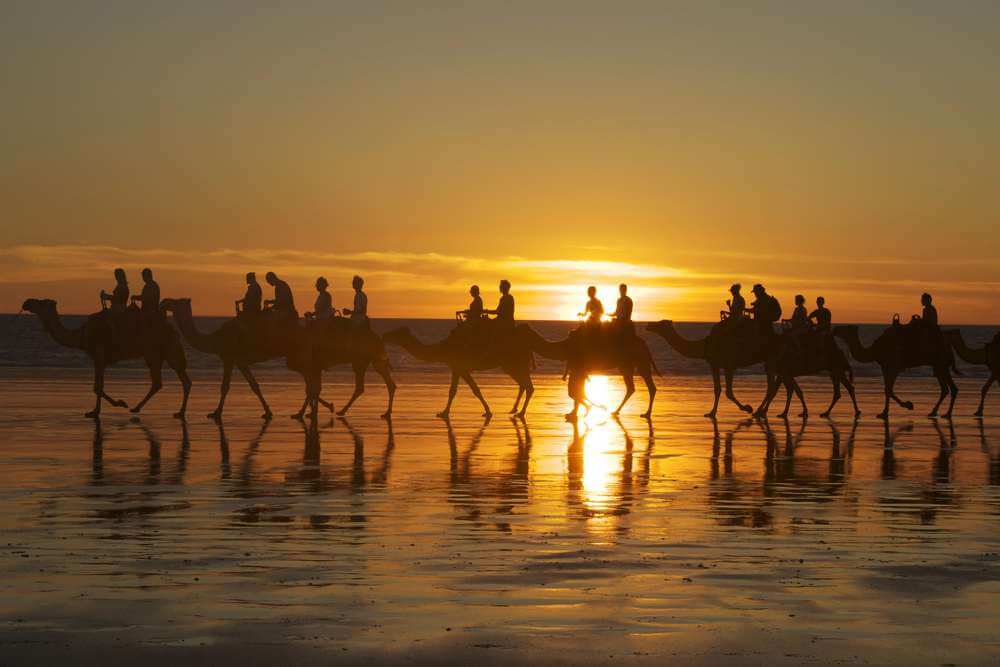
From Broome to Uluru to your average suburban park, the sunsets here feel like they’re turned up to full volume. The colours stretch across the sky in pinks, oranges, and deep reds.
✔️ Aussie Humour and Hospitality
The way Aussies joke around, even with strangers, makes everything feel lighter. People are down-to-earth, helpful, and full of dry humour—even if they roast you a bit, it’s almost always friendly. You’ll feel welcome without anyone trying too hard.
✔️ Slowing Down (in a Good Way)
Life here moves at its own pace, especially once you get out of the big cities. It’s not lazy, it’s just unhurried.
Whether you’re travelling or living here, you start to ease into that slower rhythm—and honestly, it feels pretty good.
What to Know Before You Go
Before packing your bags and heading Down Under, there are a few things that’ll make your trip smoother—and honestly, just more enjoyable. Some of these I learnt the hard way after living here a while.
🦘Australia Is Big. Really Big.
Distances can be deceiving. A three-hour drive here is considered “just up the road.” Don’t try to cram in every state in two weeks—it’ll leave you burnt out.
Pick one or two regions and really explore them. You’ll get more out of the trip.
🦘Weather Changes With the State
It’s summer in Sydney, but raining in Darwin. Cold in Melbourne, but dry in Alice Springs. Always check the forecast for the specific place you’re visiting, not just the country. And pack for layers—nights can still get chilly, even in summer.
🦘Respect the Wildlife and Nature
Kangaroos are cute, but don’t feed them. The same goes for dingoes, wombats, and pretty much anything wild.
Australia’s ecosystems are fragile, so stick to the paths in national parks, take your rubbish with you, and learn about the Indigenous connection to the land.
🦘Driving Is on the Left
If you’re hiring a car, remember we drive on the left side of the road. Also, petrol stations can be few and far between in remote areas, so fill up when you can.
Watch for wildlife, especially around dusk—kangaroos and emus love to jump out without warning.
🦘Tipping Isn’t Expected
Australia doesn’t have a big tipping culture. Service staff are paid fairly, so tipping isn’t compulsory. If you get great service, rounding up or leaving 10% is appreciated—but no one will judge you if you don’t.
🦘Visa Requirements
Most travellers need a visa to enter Australia, even for short holidays. It’s usually an easy online process (like the eVisitor or ETA), but always check the rules based on your passport before you book.
🦘Internet’s Good… Mostly
You’ll get solid Wi-Fi and mobile coverage in cities and towns, but it drops off fast in the outback or remote coastlines. Download offline maps, podcasts, and playlists before long drives—just in case.
🦘Learn a Bit of the Local Lingo
Aussies love a good nickname. Breakfast is brekkie, afternoon is arvo, and thongs are what you wear on your feet.
It’s all friendly, but it can throw you off at first. Don’t be afraid to ask what something means—locals are usually happy to explain (and have a laugh).
Common Questions Answered
Is Australia safe to visit?
Yes, Australia’s one of the safest countries to travel—whether you’re solo, with mates, or bringing the whole family. Like anywhere, keep your valuables close in busy city areas and don’t wander off track in the outback without telling someone. Most dangers are more about nature than people—think jellyfish, strong surf, or bushfires—so always follow local signs and warnings.
Is Australia expensive for backpackers?
It can be, but you’ve got options. Hostels, free public beaches, budget meal deals, and campervan road trips make it easier. If you plan well and use apps to track fuel or free campsites, you can stretch your money and still have a great time.
Do I need a car to travel around Australia?
If you’re sticking to cities, public transport does the job. But for exploring national parks, beaches, and smaller towns, having your own wheels makes a huge difference. Road trips are one of the best ways to see the real Australia.
What’s the best state to visit in Australia?
Tough one—it depends on what you’re into. NSW is great for beaches and the Blue Mountains. Victoria has Melbourne’s arts and food scene. Queensland gives you the Great Barrier Reef. South Australia has epic wine and wildlife. WA is wild and untouched. And Tasmania? It’s like nowhere else. Pick based on your vibe and how much time you’ve got.
How long do you need for an Australia trip?
At least two weeks if you want to scratch the surface. A month is better if you want to combine cities, beaches, and a road trip. If you’ve only got a week, stick to one region like Sydney + Blue Mountains, or Adelaide + Kangaroo Island.
What’s the best time to visit Australia’s beaches?
Late spring to early autumn—October to April—is your best bet for warm beach days. Head south in summer (Sydney, Melbourne, Perth), or north in winter (Cairns, Whitsundays) to follow the sunshine.
Do I need travel insurance for Australia?
Absolutely. Even though it’s safe, stuff happens—missed flights, cancelled tours, or unexpected hospital visits (which aren’t free for most travellers). Travel insurance gives you peace of mind.
Still Wondering If It’s Worth It?
Look—I get it. Australia’s far, it’s not the cheapest, and the distances can be a bit wild. But every time I’ve travelled around this country, I’ve found something that made it all worth it.
One day, it’s a quiet beach with no one around for miles. The next it’s a surprise encounter with kangaroos on the side of the road or a morning spent sipping coffee in a laneway café. There’s something about Australia that’s hard to describe until you’ve felt it for yourself.
Whether you’re chasing adventure, sunsets, wildlife, good wine, or just want to see what all the fuss is about, this place has a way of surprising you—in the best way.
So if you’re still asking, “Is Australia worth visiting?”—my answer’s simple: absolutely. Come see for yourself.
