
Summer Down Under – Where to Go, What to Skip and How Hot It Really Gets

Australia Travel Hub contains affiliate links and is a member of the Amazon Services LLC Associates Program. If you make a purchase using one of these Amazon links, we may receive compensation at no extra cost to you. See our Disclosure Policy for more information.
December to February is peak season for beaches, barbecues and big events, but it’s also the hottest, busiest and most expensive time to visit.
This guide covers where the weather is best, where it’s best avoided and what’s on, so a holiday here doesn’t turn into a sunburnt scramble.
When Is Summer in Australia and How Hot Does It Get?
Summer runs from 1 December to the end of February, and temperatures vary hugely by region. The southern cities sit around the mid-20s to low 30s, the tropical north is hotter and wetter, and the inland desert regularly passes 40 degrees.
☀️ Sydney, Melbourne, Adelaide and Hobart – warm to hot days, with the odd heatwave and cooler evenings
☀️ Brisbane and the Gold Coast – hot and humid, with afternoon storms
☀️ Perth – dry heat and long sunny days, with the Fremantle Doctor sea breeze cooling things off
☀️ Darwin, Cairns and the Top End – hot, humid and wet
☀️ Uluru and Alice Springs – extreme heat, so early starts matter
The Bureau of Meteorology at bom.gov.au is the place to check forecasts and heat warnings on the day.
What Does the Heat Actually Feel Like in Each City?
The same temperature feels very different depending on humidity, so the number on the forecast only tells half the story. Dry heat is tiring but bearable in the shade, while humid heat is sticky and hard to sleep in.
☀️ Perth – dry, sunny heat that holds steady for weeks, with the afternoon sea breeze as the main relief
☀️ Adelaide – dry heat with sharp hot spells, and the northern suburbs feel hotter than the coast
☀️ Sydney – warm and often humid, with heat broken up by storms and southerly changes
☀️ Melbourne – the most changeable, with a hot day often followed by a cool change
☀️ Brisbane and the Gold Coast – humid, with some relief overnight
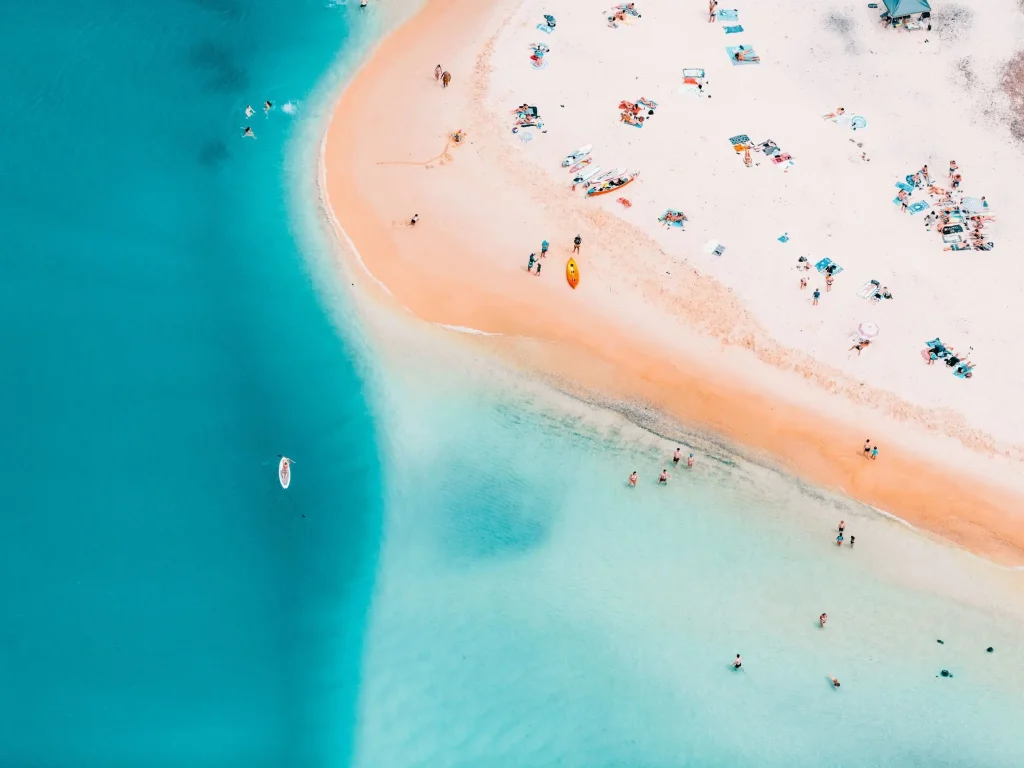
Photo Credit: Tourism Australia
☀️ Cairns and Darwin – hot and humid day and night, with very little overnight relief
Hot nights are a real issue in summer. Air conditioning, a fan and a room facing away from the afternoon sun make a big difference to sleep.
How Do December, January and February Differ?
The best time to visit Australia for summer sun depends on the month, because early December is the best value, January is the hottest and busiest, and February is the most humid in the north. Choosing the month matters as much as choosing the place.
✔️ December – warm rather than scorching in most southern cities, with fewer crowds before the school holidays start
✔️ January – peak heat, peak prices and full beaches, so booking early matters
✔️ February – still hot, but the crowds thin once schools go back, and the tropics are at their wettest
Which Parts of Australia Are Best in December, January and February?
The southern half of the country is the safest bet, because it’s warm and mostly dry. Tasmania, Victoria, South Australia, southern Western Australia and New South Wales all hit their stride.
The north is a different story. The tropical wet season runs roughly from November to April, which means humidity, storms and the odd road closure.
☑️ Best for beaches – Sydney, the NSW coast, Victoria’s Mornington Peninsula, Adelaide, Margaret River and Tasmania’s east coast
☑️ Best for cooler days – Tasmania, the Victorian high country and the Blue Mountains
☑️ Best for festivals – Sydney, Melbourne, Adelaide and Hobart
☑️ Best to avoid – the Red Centre and the outback in the middle of the day, and the far north for anyone who dislikes humidity
What Are the Best Beaches for a Swim Between December and February?
The best beaches are the ones with surf lifesavers on patrol, calm water and shade nearby. Australia has more than most travellers could visit in a lifetime, so it helps to pick by state.
⭐ New South Wales – Bondi, Manly and the beaches around Byron Bay, with plenty more in my guide to the best beaches in NSW for summer
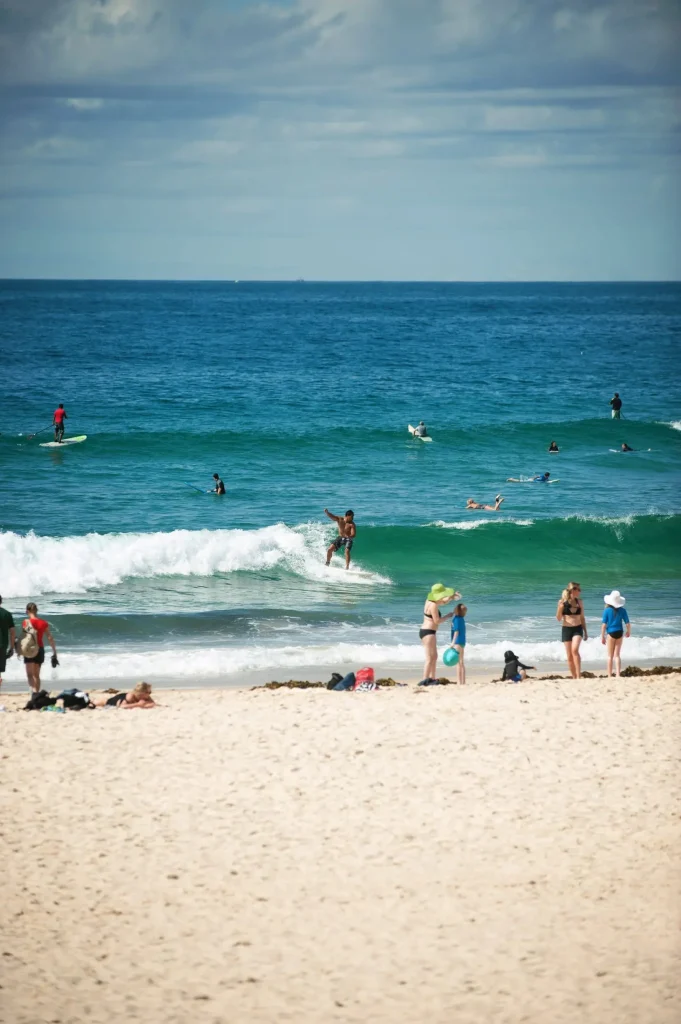
Photo Credit: Tourism Australia
⭐ Queensland – Whitehaven Beach in the Whitsundays and the Gold Coast strip
⭐ Western Australia – Cottesloe in Perth and the south-west coast around Margaret River
⭐ South Australia – Glenelg and the beaches around the Fleurieu Peninsula
⭐ Tasmania – Wineglass Bay in Freycinet and the Bay of Fires
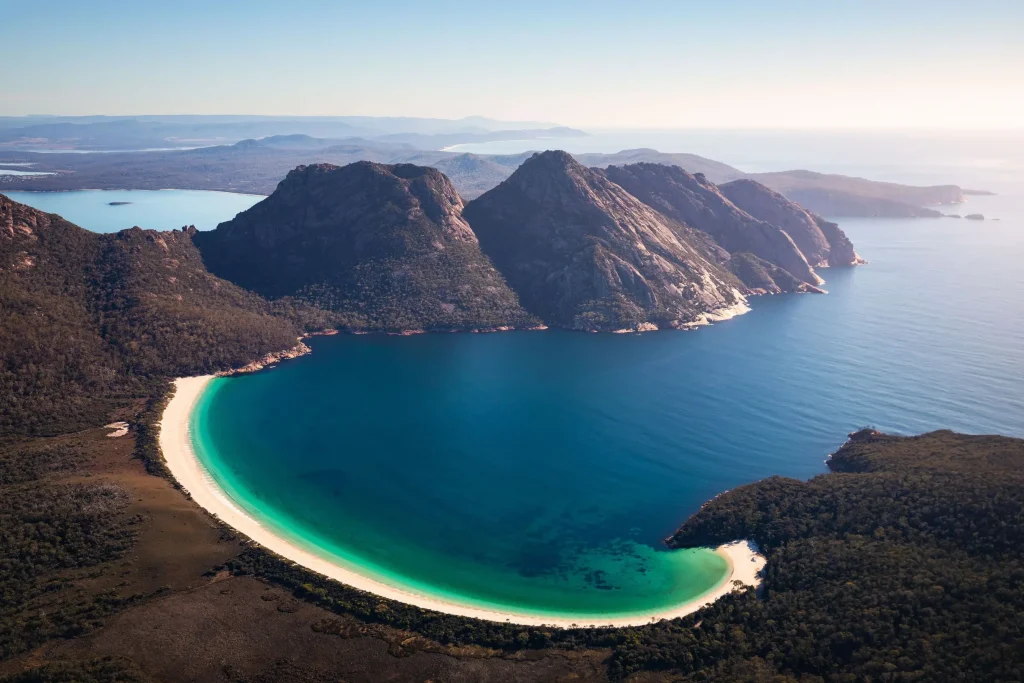
Photo Credit: Tourism Australia
Not every beach is a good idea to swim at. Some have strong rips, dumping waves, or no patrols, and I include the ones to think twice about in my guide to Australia’s worst beaches for swimming.
My broader roundup of Australia’s best beaches covers the postcard ones.
Swim between the red and yellow flags. That’s the single most useful rule, and Surf Life Saving Australia’s Beachsafe site shows patrol times and conditions for individual beaches.
What Are the Best Things to Do in Australia in Summer?
Beach days, harbour views, big sporting events and festivals in the southern cities are the top picks for a hot December to February.
Each of the big southern cities has its own rhythm. Sydney is the biggest party, Melbourne leans towards sport and food, and Adelaide is calmer and easier on the budget.
Sydney
Sydney is the place for harbour views and New Year’s Eve. Ferries, harbour pools and beach days are the main events, and my guide to December in Sydney covers what’s on. For fireworks plans, read my Sydney New Year’s Eve fireworks post.
Melbourne
The Australian Open runs at Melbourne Park from 11 to 31 January 2027, with the main draw starting on 17 January and the finals on 30 and 31 January.
Ground passes let visitors soak up the atmosphere without a show-court seat, but availability can be limited. I’ll check ausopen.com early for what’s on offer, and accommodation fills up fast, so booking early matters.
Adelaide
Adelaide is warm and dry, with a food and wine scene on its doorstep.
I live just south of Adelaide, on the Fleurieu Peninsula side, and the beaches and wineries around here feel relaxed and uncrowded compared with the busiest east coast spots. My guide to December in Adelaide has the details.
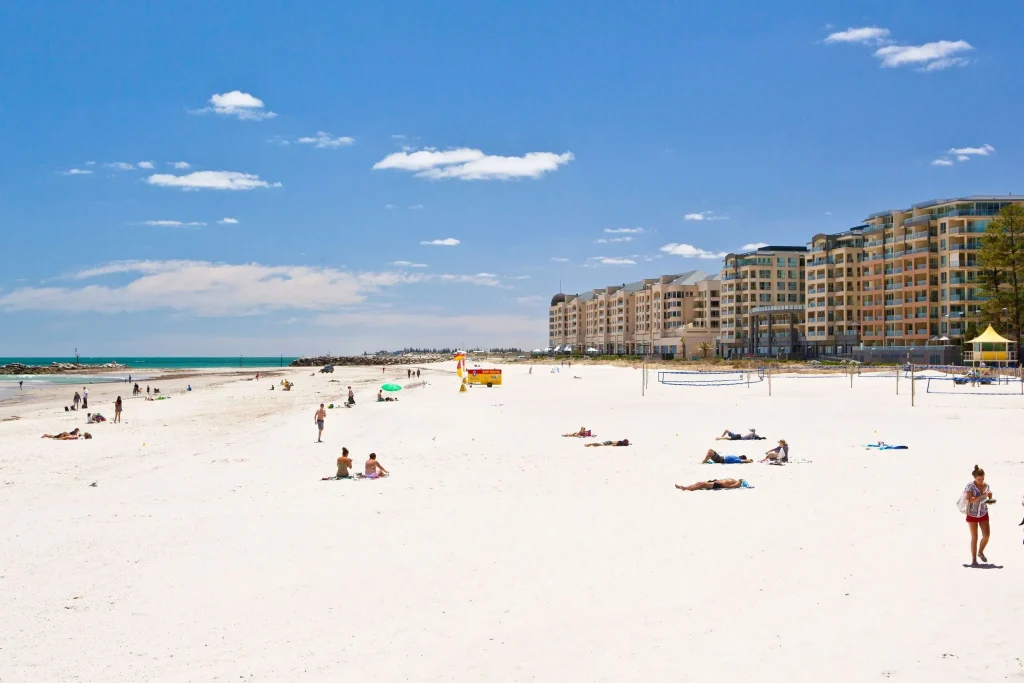
Photo Credit: South Australian Tourism Commission
What About Canberra, the Gold Coast and Tasmania?
Each has a different summer personality. Canberra is hot and dry, the Gold Coast is humid and busy, and Tasmania is the cool escape.
✔️ Canberra – hot days, cool nights and free lakeside events, covered in my guide to Canberra in summer
✔️ Gold Coast – theme parks, surf and storms, so my post on what to wear in the Gold Coast in December is worth a look
✔️ Tasmania – mild days, long daylight and national parks like Cradle Mountain, with plenty of ideas in my Tasmania itinerary

Tasmania has two summer catches. UV is typically very high from December to January, and the cool air makes it easy to burn without noticing, even under cloud.
Campsites are the other issue, because popular ones such as Freycinet are almost always full over summer, and some use a ballot.
Tasmania Parks and Wildlife lists the current booking rules, and booking as early as possible is the safest approach.
Where Should I Go in the Tropical North Over Summer?
The tropical north is cheaper and quieter in summer, but it comes with trade-offs. The wet season brings heavy showers, humidity and the occasional cyclone warning.
Cairns, Port Douglas and the Whitsundays are open year-round, and the rainforest is at its greenest. The Great Barrier Reef is still accessible, though visibility can vary after storms.
An outer reef trip is the better choice in the wet season. Water near the coast turns murky after heavy rain, while outer reef sites usually stay clearer.
Most tour operators supply stinger suits, and trips can be moved or cancelled when the weather turns, so a spare day in the schedule helps.
Swimming in the rivers and creeks around the Daintree is discouraged because of crocodiles, so the rainforest is best enjoyed on boardwalks and guided tours.
Ningaloo Reef in Western Australia is a different story. It sits on the opposite side of the country and has its own cyclone risk in summer, so it’s best saved for a winter trip.
Whale shark season falls outside summer too, which is another reason to plan Ningaloo for a different time of year.
Marine stinger season is the biggest safety issue here. Surf Life Saving Queensland says it typically runs from November to May, and the safest option is a full-body stinger suit.
Nets don’t stop the smallest jellyfish, so I follow the stinger advice from Surf Life Saving Queensland and swim only where local signs allow it.
Cyclone season officially runs from 1 November to 30 April, according to the Bureau of Meteorology, and its cyclone page shows current warnings.
Cyclones and floods can cancel flights, tours and road access, so I check that a travel insurance policy covers cyclone and flood disruption before booking.
For Darwin and Kakadu, Parks Australia posts access updates, because flooding can close roads and some areas. Anyone who wants to visit the Top End should treat the wet season as an adventure and keep plans flexible.
How Do I Stay Safe in the Heat and Sun?
Slip on a shirt, slop on sunscreen, slap on a hat, seek shade and slide on sunglasses. That’s the SunSmart message, and the Australian UV index is among the strongest in the world.
- Water – carry more than seems necessary, particularly for walks
- Timing – walk and explore before 10 am and after 4 pm
- Cars – never leave children or pets inside, even for a few minutes
- Fair skin – burns quickly at high UV, and the Cancer Council has advice on skin checks for anyone who spends a lot of time in the sun
- Outback driving – carry extra water and tell someone the route, and avoid long drives in the heat of the day
- Bushfires – check state fire services for warnings, and keep plans flexible on very hot, windy days
My guide on how to avoid sunburn on Australian beaches goes into more detail on products and habits.
How Do Bushfire Warnings and Fire Bans Work?
Australia uses one national fire danger rating system with the same levels in every state, rising from moderate and high to extreme and catastrophic. Catastrophic is the top level, and the advice is to leave bushfire-prone areas early rather than wait.
On days with a Total Fire Ban, lighting open fires is banned, and that includes campfires and some barbecues. Ratings and bans are posted a day ahead.
‼️ South Australia – the Country Fire Service lists fire bans and ratings
‼️ Victoria – VicEmergency shows warnings and ratings for any location
‼️ New South Wales – the Rural Fire Service publishes current fires and ratings
Bushland trips, camping and national park visits are the plans most affected. Parks can close on high-risk days, so a backup plan on the coast or in town is worth having.
What Should I Know About Driving in the Summer Heat?
Heat, distance and wildlife make summer driving harder than it looks on a map. Planning stops and travel times properly keeps a road trip safe.
✅ Water and fuel – carry more water than seems necessary, and fill up whenever a station appears in remote areas
✅ Dawn and dusk – kangaroos and other wildlife are most active then, so I avoid driving at those times where possible
✅ Flooded roads – never drive through floodwater, particularly in the tropical north
✅ Breakdowns – in extreme heat, staying with the vehicle is safer than walking
✅ Air conditioning – worth checking on a hire car before leaving the depot
✅ Licences – an English-language licence is usually enough, while other licences need an International Driving Permit or an official translation, and the rules vary by state, so I check the local transport authority
✅ Hire rules – drivers under 25 may face extra fees or restrictions with some rental companies, and one-way hires can cost a lot more
✅ Tasmania by ferry – the Spirit of Tasmania sails from Geelong to Devonport and suits travellers who want their own car on the island
My guide to the best Australian road trips has route ideas, and [link to driving in Australia tips guide] covers the rules and etiquette.
Which Wildlife Should I Watch For in Summer?
Snakes, spiders and crocodiles are real, but encounters are rare if common sense is used. Snakes are more active in warm weather, so closed shoes and staying on tracks matter.
In crocodile country in the Northern Territory and far north Queensland, swim only in signed, designated areas. For a broader picture, my post on whether Australia is safe puts the risks in context.
Where Can I Escape the Heat in Summer?
The Blue Mountains, the Dandenong Ranges and Tasmania are the classic cool-down spots, because altitude and latitude keep them several degrees cooler than the nearby cities.
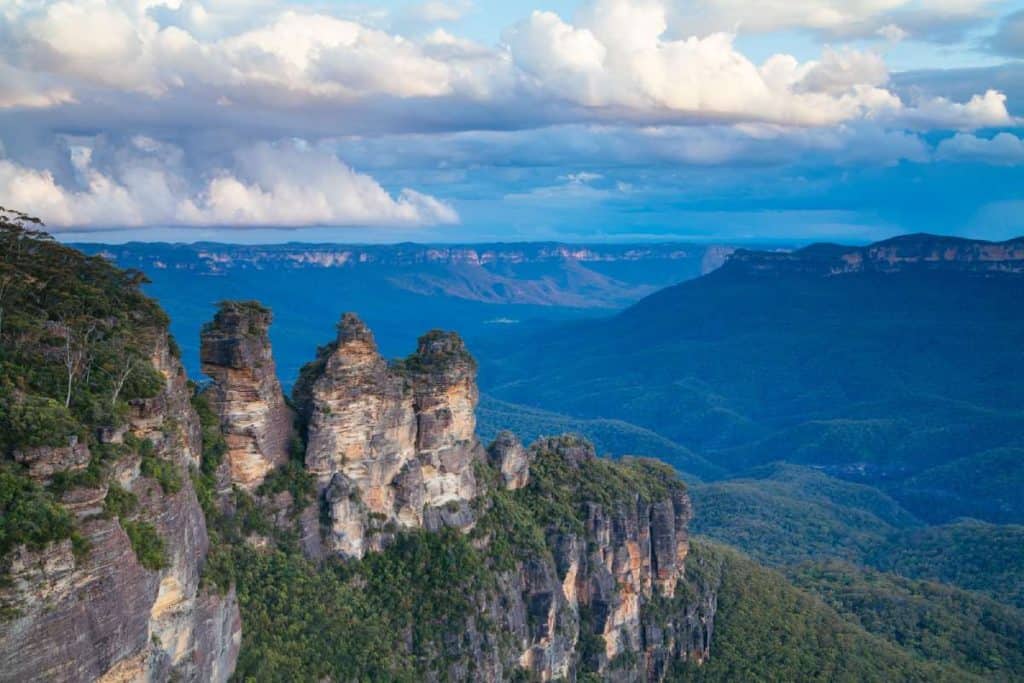
📌 Blue Mountains, NSW – forest walks and lookouts about two hours from Sydney in Blue Mountains National Park, covered in my Blue Mountains day tours from Sydney guide
📌 Dandenong Ranges, Victoria – fern gullies and tall forest close to Melbourne in Dandenong Ranges National Park
📌 Tasmania – mild days and cool nights almost anywhere, from Hobart to the east coast
Swimming holes, air-conditioned museums and galleries, and early-morning or evening walks are the other options when a city hits the high 30s.
What Events Are On From December to February?
Summer is packed with events, and they’re a major reason why prices spike. These are the big ones.
🎟️ Christmas Day – a barbecue and the beach for many families, as covered in my Christmas in Australia guide
🎟️ Boxing Day Test – a five-day international cricket match, with Australia playing New Zealand at the MCG in Melbourne from 26 to 30 December 2026 and a 10.30 am start on day one
🎟️ Sydney to Hobart – the Rolex Sydney Hobart Yacht Race starts on Sydney Harbour on 26 December, according to the official race site, and the fleet finishes in Hobart over the following days
🎟️ Big Bash League – the BBL runs through the summer holidays, and Cricket Australia lists the fixtures
🎟️ Test series – the Boxing Day Test is part of a wider home series, so cricket fans can follow the matches around the country
🎟️ New Year’s Eve – Sydney’s fireworks are the best known, though most cities host their own
🎟️ January – the Australian Open in Melbourne, plus Sydney Festival
🎟️ Australia Day – 26 January, with fireworks and public events in most cities
🎟️ February and March – Adelaide Fringe and the Perth festival season
💡 Boxing Day versus the Boxing Day Test – Boxing Day is the public holiday on 26 December, the day after Christmas, when many shops hold sales and plenty of families head out. The Boxing Day Test is a separate event, an international cricket match at the MCG that starts on that day and runs for up to five days.
How Busy Are the Summer School Holidays?
Very busy, and the holidays run for several weeks over Christmas and January. The dates vary by state, so each state’s education department site has the exact days.
Beaches, campsites, flights and accommodation all fill up during this period. Early December and February are the quieter windows, and they’re also cheaper.
How Many Days Do I Need in Each Place?
Fewer places for longer is almost always the better plan, because distances here are bigger than they look on a map. A trip crammed with flybys leaves little time to enjoy the heat or the scenery.
📌 Great Ocean Road – two to three days is the sensible minimum, according to the official Great Ocean Road site, which puts a one-day round trip to the Twelve Apostles at about 12 hours with roughly 8 of them driving
📌 Port Campbell – an overnight stay lets sunset at the Twelve Apostles fit in without a rush
📌 Tasmania – Hobart, Freycinet and Cradle Mountain each deserve a couple of days before travel time
📌 Sydney – a week gives room for the city, the harbour, the beaches and a day in the Blue Mountains
📌 Melbourne – at least three or four days for the city, with day trips on top
A realistic three-week summer route skips the tropics and leans south, where the weather is better.
- Start in Melbourne and time it for the Australian Open if the dates suit
- Spend two to three days on the Great Ocean Road
- Take the ferry from Geelong to Tasmania and travel from north to south
- Fly from Hobart to Sydney and finish there
The tropical north is better saved for a dry-season trip between May and October.
How Should I Plan and Book a Summer Trip?
Book flights, car hire and accommodation early, ideally as soon as the dates are fixed, because peak dates around Christmas and January are already filling up. Beach towns, national parks and Tasmania sell out first.
- Pick a region – the south for beaches and the north only for those who accept the wet
- Book the big items first – flights, accommodation and car hire
- Add tours and bookings – reef trips, wine tours and harbour cruises sell out around Christmas
- Build in rest days – heat is tiring, especially for kids
- Pack light layers – a rain jacket for the north, a jumper for Tasmania
Flights between the capitals are frequent and easy to find, and trains like The Ghan and the Indian Pacific are slower, scenic options. A hire car is the most flexible way to cover coastal drives.
Anyone starting from scratch can browse the Australia travel guides on the site.
What Kind of Accommodation Works Best in the Heat?
Air conditioning is the first thing to check, and a pool is the second. Both make a big difference when the afternoon temperature climbs, and rooms without air conditioning can be uncomfortable even at night.
🏨 Pool hotels – handy for families and for afternoon breaks, with options in my guides to the best hotels in Perth with a pool, the best Adelaide hotels with a pool and Brisbane hotels with a pool
🏨 Shade and breeze – a ground-floor room facing away from the afternoon sun stays cooler
🏨 Beachside stays – sea breezes help, but they cost more in January
🏨 Kitchens – useful for keeping drinks cold and snacks fresh
What Should I Pack for the Heat?
Light, breathable clothing, a wide-brimmed hat and reef-safe sunscreen cover most of it. Sunglasses, a refillable water bottle and sturdy sandals are the other essentials.
✔️ Clothing – cotton or linen, plus a rash vest for swimming
✔️ Footwear – sandals for the beach and closed shoes for walking
✔️ Sun protection – high-SPF sunscreen, a hat and sunglasses
✔️ Gear – a dry bag, a power bank and a light rain jacket
✔️ Extras – insect repellent, especially for the tropics and bush walks
Know Before You Go
Summer is the best time for beaches and the hardest time for budgets and crowds. These are the notes I’d keep in mind.
✅ Peak pricing – Christmas, New Year and January are the most expensive weeks
✅ Closures – many businesses close on 25 December and 26 December, and some on 1 January, with more detail in [link to public holidays travel guide]
✅ Heat limits – some outback walks and tracks close on very hot days
✅ Wet season – roads in the north can close at short notice
✅ Bushfire season – warnings can change plans quickly in the south
✅ Water safety – swim at patrolled beaches between the flags
✅ Dates and prices – they change often, so check official sites before booking anything
