
15 Best Beaches in Australia (Most People Have Never Heard of the Best One)

Australia Travel Hub contains affiliate links and is a member of the Amazon Services LLC Associates Program. If you make a purchase using one of these Amazon links, we may receive compensation at no extra cost to you. See our Disclosure Policy for more information.
Australia has more than 10,000 beaches, which makes choosing where to go genuinely difficult.
I’ve been living here since 2018, and I’m still finding Australian beaches that catch me off guard.
This list covers the ones I’d send a friend to without hesitation — from the Whitsundays down to Tasmania and across to Western Australia. In 2026,
Tourism Australia’s official Beach Ambassador, Brad Farmer, named Bate Bay in Sydney’s south as the country’s top-ranked beach, which tells you something about how good the lesser-known spots are when a nine-beach collection beats Whitehaven in the rankings.
That said, here are the ones worth building a trip around.
1. Whitehaven Beach, Whitsunday Islands, QLD
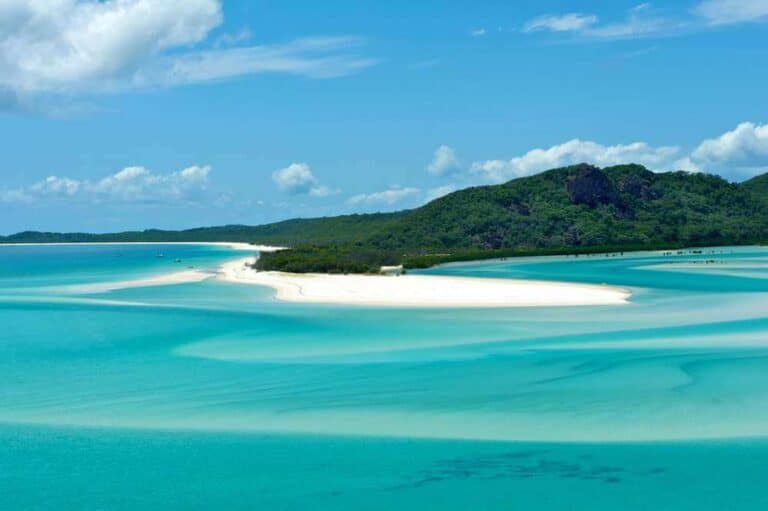
Whitehaven Beach stretches for 7km along Whitsunday Island, and the sand here is around 98% pure silica — one of the highest concentrations anywhere on earth.
That’s why it stays cool underfoot even in 35-degree heat, and why it glows that particular shade of white rather than the creamy yellow you see at most other beaches.
The sand is so fine it can damage camera lenses and phone ports, so keep your gear zipped away.
The best view of the beach is from the Hill Inlet lookout — the swirling tidal patterns where the sand meets the sea look almost painted from up there.
It’s accessible by boat, seaplane or helicopter from Hamilton Island or Airlie Beach — the Whitsundays guide covers all the day tour options.
There’s no development on the beach itself — no shops, no cafes — so bring everything you need.
2. Bondi Beach, Sydney, NSW
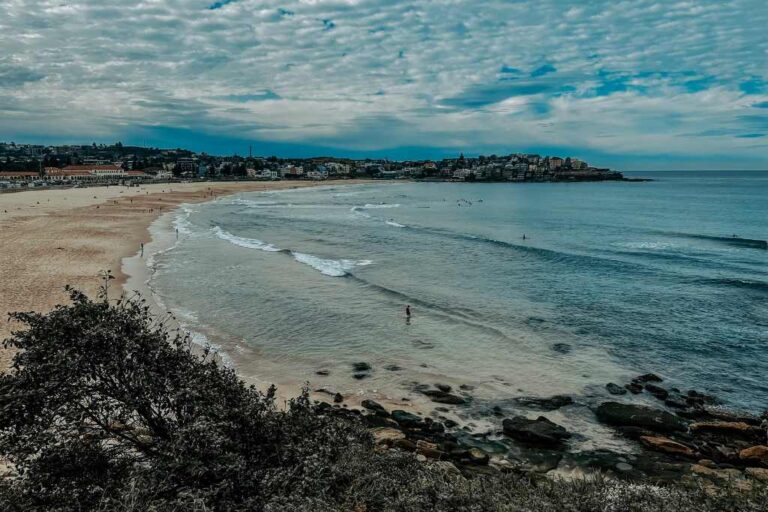
Bondi sits just 7km east of Sydney’s CBD, which makes it one of the most accessible world-class beaches on the planet.
The beach itself is about 1km of golden sand, and on a peak summer day it draws tens of thousands of visitors — see when to visit Bondi Beach to find the best time to go.
The surf here is consistent and patrolled year-round by Bondi Surf Bathers’ Life Saving Club, one of the oldest surf lifesaving clubs in the world (established 1907).
The Bondi to Coogee coastal walk runs 6km south along the clifftops and is worth doing even if you’re not a big walker — the views back over the bay are worth the effort alone.
The café strip on Campbell Parade is reliable for breakfast and coffee. It’s not a hidden gem, but it earns its reputation.
3. Vivonne Bay Beach, SA
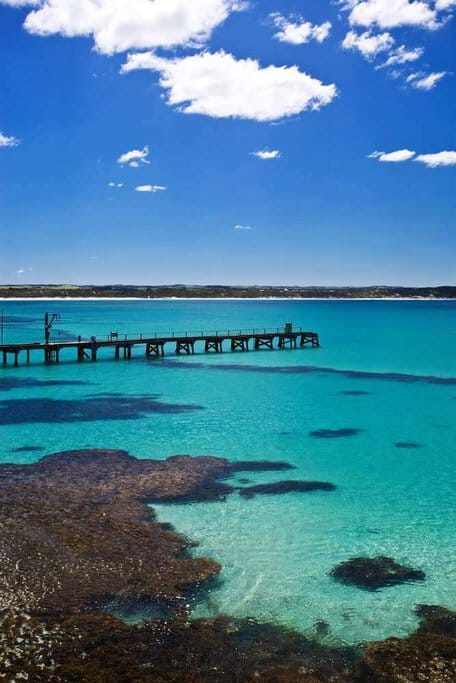
Vivonne Bay sits on the south coast of Kangaroo Island, about 100km from the ferry terminal at Penneshaw (around 55km from Kingscote).
It’s been rated one of Australia’s best beaches multiple times over the years, and the appeal is obvious — a long curved bay of white sand, clear turquoise water, and almost no development.
The nearby jetty is a solid fishing spot, and you may occasionally spot wildlife, including Australian sea lions and wallabies near the water’s edge.
Kangaroo Island’s wildlife moves at its own pace, and Vivonne Bay reflects that — it’s the kind of beach where you end up staying far longer than planned.
If you’re already on Kangaroo Island to see Seal Bay or Flinders Chase, build in a half-day here. It fits naturally into any Kangaroo Island itinerary.
4. Cossies Beach, Coco (Keeling) Islands
The Cocos (Keeling) Islands are a remote Australian territory in the Indian Ocean, about 2,930km north-west of Perth.
Two atolls, 27 coral islands, and a total permanent population of around 600 people — which means the beaches here are about as unspoilt as it gets.
Cossies Beach on Direction Island is the main draw. The water is shallow, warm and clear enough to see the sandy bottom at depth, and the snorkelling off the reef edge is genuinely impressive. Manta rays, turtles and reef sharks are common sightings.
Getting here usually involves a flight from Perth — there are direct services on Fridays (around 4 hours 10 minutes), with a Monday service via Christmas Island also available.
It’s not a casual side trip. But if remote is what you’re after, this is about as far from the tourist circuit as you can get while still being in Australian territory.
5. Nudey Beach, Fitzroy Island
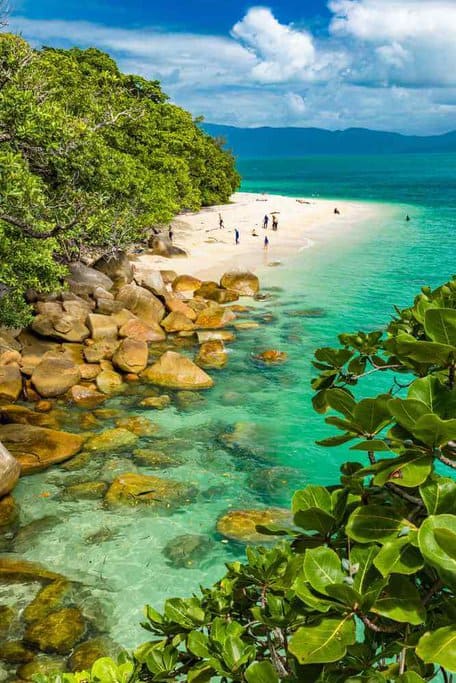
Nudey Beach is on Fitzroy Island, about 45 minutes by ferry from Cairns.
Despite the name, it’s no longer a clothing-optional beach — it was historically used as a nudist spot before the resort was developed, and the name stuck.
Now it’s fully family-friendly, with coral sand, granite boulders and rainforest right to the water’s edge.
The walk to the beach from the resort takes about 20 minutes through dense tropical vegetation.
It’s a good introduction to the tropical rainforest ecosystems on the island, and the trail occasionally opens up to coastal views.
The beach itself is small and relatively sheltered, with a coral reef starting almost immediately from the shoreline.
It was named Australia’s best beach in 2017 by Brad Farmer’s 101 Best Beaches list.
Cairns-based visitors with a free day should add it to their Cairns itinerary alongside the Great Barrier Reef options.
6. Hyams Beach, Jervis Bay
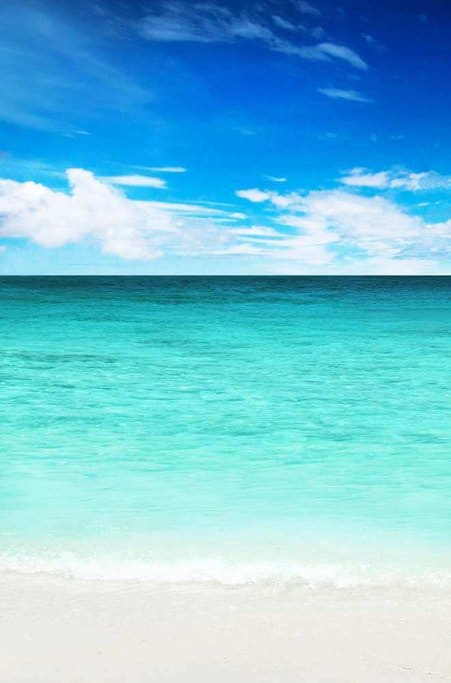
Hyams Beach is famous for its incredibly white sand — the silica content is extremely high, which gives it a powdery texture and a near-blinding brightness on a clear day, and it’s often claimed to have some of the whitest sand in the world.
It sits inside Jervis Bay, a sheltered marine park about 2.5 hours south of Sydney.
The water is calm and clear, which makes it a reliable swimming spot for families and a good base for snorkelling. Dolphins are common in the bay — Jervis Bay has one of the largest resident dolphin populations on the NSW coast.
Parking fills up fast on weekends, especially over the summer. If you’re driving down from Sydney, aim to arrive before 9 am or come on a weekday — it also works well as a day trip from Sydney.
7. Turquoise Bay, Exmouth, WA
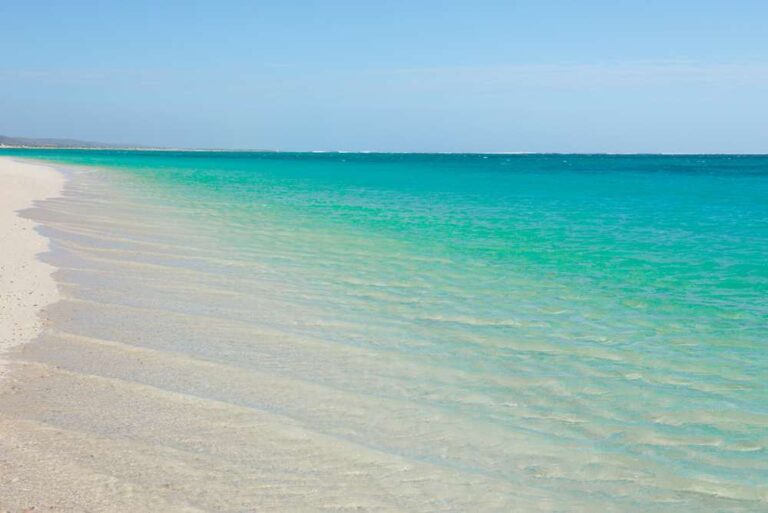
Turquoise Bay is about 60km north-west of Exmouth inside Cape Range National Park, and it earned the title of best beach in the South Pacific at TripAdvisor’s Travellers’ Choice Awards in 2022.
The snorkelling here is the main draw — the Ningaloo Reef runs directly along the shoreline, with more than 500 species of fish and 300 coral species accessible without a boat.
The drift snorkel is the signature experience. Enter at the southern end of the beach and let the current carry you north over the coral gardens — it takes about 20–30 minutes depending on the tide.
Conditions vary with tides and currents, so check local advice before attempting the drift snorkel — it’s not recommended for weak swimmers.
The remoteness of Cape Range means the beach rarely feels crowded, even on busy days.
It’s worth building at least two nights in Exmouth into any trip to Western Australia’s beaches just to spend proper time here.
8. Wineglass Bay, Freycinet National Park, TAS
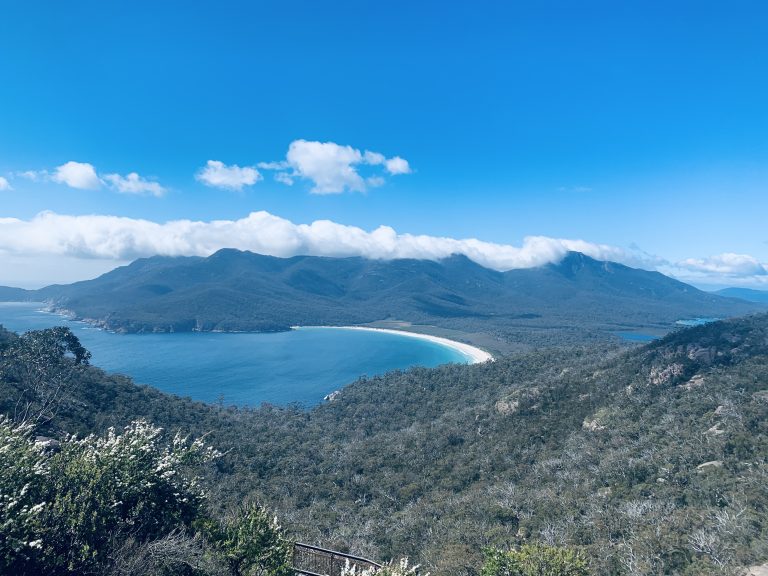
Wineglass Bay Tasmania sits inside Freycinet National Park on the state’s east coast — a crescent of white sand framed by pink granite peaks and deep blue water.
The hike to the lookout takes about 45 minutes from the car park, and the view from the top is one of the most photographed in the country.
The descent to the beach takes another 30–40 minutes and goes through open buttongrass plains and coastal scrub.
Down on the sand, the water is cold year-round — this is the Tasman Sea — but kayaking is popular in the calmer summer months — the Wineglass Bay cruise is worth considering if you’d prefer to see it from the water.
Wallabies, sea eagles and shearwaters are regular sightings near the beach.
It’s one of Tasmania’s standout spots and fits well into a broader east coast road trip that takes in the Bay of Fires and Bicheno.
9. Burleigh Heads, Gold Coast, QLD
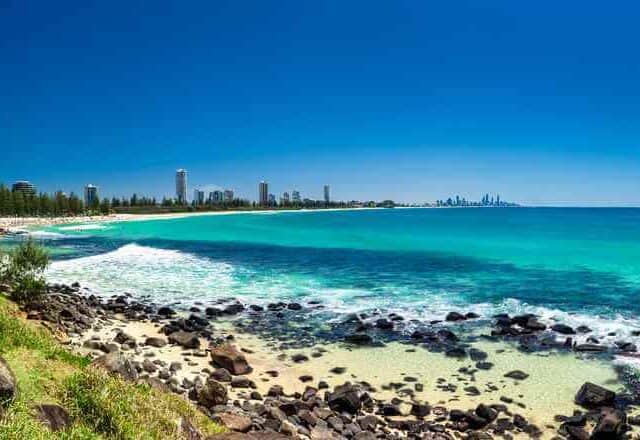
Burleigh Heads is at the southern end of the Gold Coast, and it sits in a different category from Surfers Paradise — smaller, more local, and with better surf.
The point break here is one of the most consistent on the coast, and the headland that frames it is part of a small national park with walking tracks through subtropical rainforest.
The beach is backed by a long strip of grass that fills up on weekends with markets, families and food trucks.
It’s a reliable spot for a full day — surf in the morning, lunch at one of the cafes on James Street, beach in the afternoon.
Gold Coast itineraries tend to focus on Surfers Paradise and theme parks, but Burleigh is worth deliberately adding as a beach day.
10. Cable Beach, Broome, WA
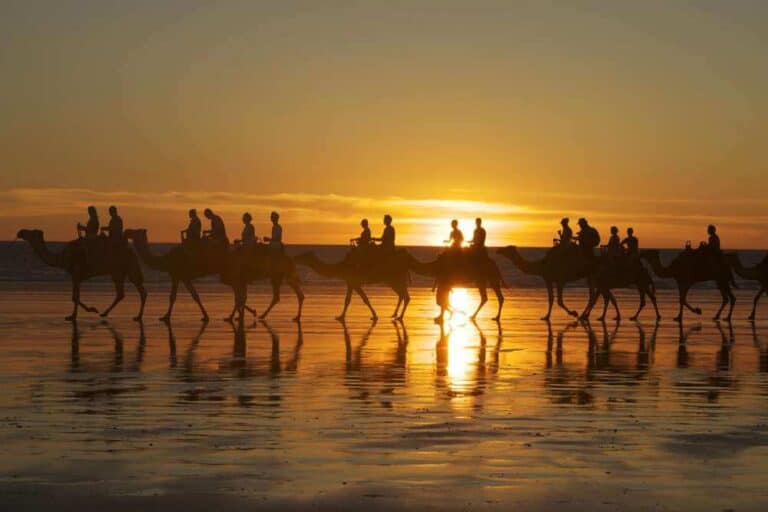
Cable Beach runs for 22km along the western edge of Broome — wide, flat and open to the Indian Ocean.
The beach was named after a telegraph cable laid here in 1889, connecting Broome to Banyuwangi in south-eastern Java and linking the region to the broader global telegraph network.
The sunsets here are a genuine spectacle. Broome is known for its “staircase to the moon” phenomenon (when a rising full moon coincides with an extremely low tide, its reflection across the exposed mudflats of Roebuck Bay creates the illusion of a staircase — best viewed from Town Beach), but the Cable Beach sunsets are a nightly event — the sky turns orange, then red, then deep purple over the water.
The two camel tour operators — Red Sun Camels and Broome Camel Safaris — run morning, pre-sunset and sunset rides along the beach, usually 30–90 minutes depending on the tour.
Broome is about a 2.5-hour direct flight from Perth or a significant leg of a Kimberley road trip.
If you’re making the trip north, Cable Beach Broome is a strong reason to factor in at least two nights.
5 More Worth the Trip
The top 10 covers the most well-known spots, but these five deserve a mention — particularly if you’re planning a trip around a specific state.
11. Mount Martha, Mornington Peninsula, VIC
Mount Martha sits about 60km south of Melbourne on the Port Phillip Bay side of the Mornington Peninsula.
The bay-facing beaches here are calmer than the ocean beaches on the other side of the peninsula, which makes them reliable for swimming.
It ranked #8 in Australia in Brad Farmer’s official 2026 list — the only Victorian beach to make the cut.
Good starting point for a Mornington Peninsula day trip from Melbourne, and it also features in the best beaches in Melbourne guide.
12. Tallow Beach, Byron Bay, NSW
Tallow Beach Byron Bay runs for 6km south of the township and stays quieter than the Main Beach despite being just a short drive away.
It sits inside Arakwal National Park, so the surrounding land is protected and undeveloped.
It made #4 on the 2026 national rankings. Worth combining with a trip to Byron Bay if you’re already in the area.
13. Pinky Beach, Rottnest Island, WA
Pinky Beach is a short walk from the Rottnest Island ferry terminal and consistently ranks among the best beaches in WA.
The water is sheltered, clear and calm — good for snorkelling without needing to go far from shore.
It ranked #2 in Australia for 2026. Rottnest is a 30-minute ferry from Fremantle — see the Rottnest Island itinerary for everything else worth doing while you’re there.
14. Binalong Bay, Bay of Fires, TAS
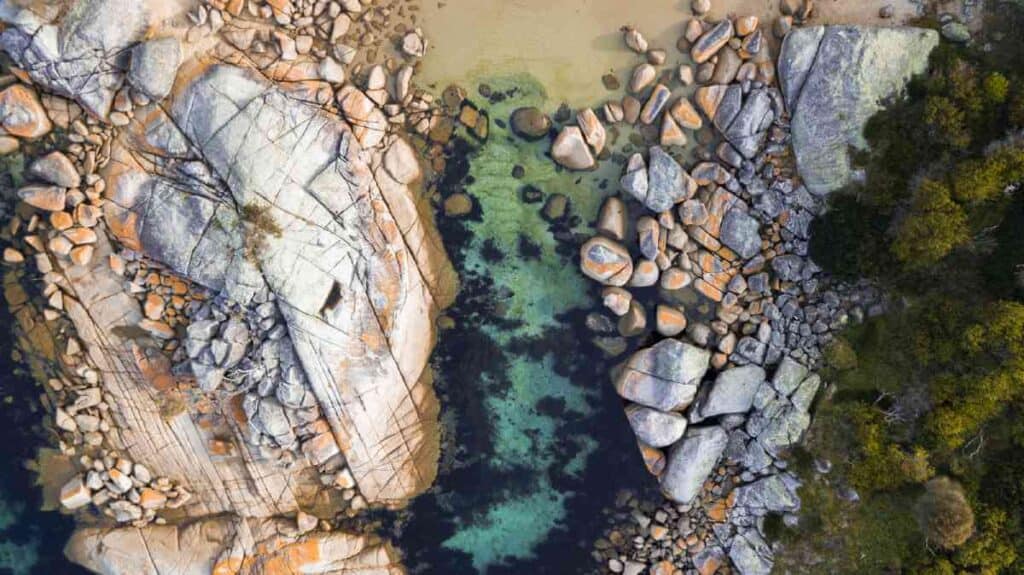
The Bay of Fires stretches along Tasmania’s northeast coast, and Binalong Bay is the southern entry point.
The defining feature is the orange-lichen-covered granite boulders against white sand and turquoise water — a colour combination that’s specific to this part of Tasmania and not really replicated anywhere else.
The Bay of Fires claimed Australia’s #1 beach title in 2025. It connects well with a Tasmania itinerary that takes in Freycinet and the east coast.
15. Noosa Main Beach, Sunshine Coast, QLD
Noosa sits at the northern end of the Sunshine Coast, about 2.5 hours from Brisbane.
Main Beach is patrolled, faces north (so it’s protected from southern swells and stays calm most of the year), and backs onto Hastings Street, which has some of the best cafes and restaurants on the Sunshine Coast.
Noosa National Park starts at the eastern end of the beach and has walking tracks along the headland with good whale-watching during the migration season (June–November).
