
Brisbane Itinerary – The Best 3-4 Day Guide (Plus How to Extend It)

Australia Travel Hub contains affiliate links and is a member of the Amazon Services LLC Associates Program. If you make a purchase using one of these Amazon links, we may receive compensation at no extra cost to you. See our Disclosure Policy for more information.
Three days in Brisbane is enough to see the core of the city without rushing. Four days gives you room for a proper day trip without cutting it short.
Here’s how I’d spend the time, based on what’s genuinely worth building a day around and what just eats a morning for a photo.
How Many Days Do You Need in Brisbane
Three days cover the main city highlights at a reasonable pace – South Bank, Fortitude Valley, and one river or lookout afternoon.
Four to five days is the better call if you want to add Moreton Island or the Gold Coast without treating it as a rushed side trip.
A week works if Brisbane is the base for a wider Queensland trip, with the Sunshine Coast or Gold Coast built in around the city days.
If that’s the plan, my guide to road trips from Brisbane covers the routes worth adding on.
Day 1 – South Bank and the CBD
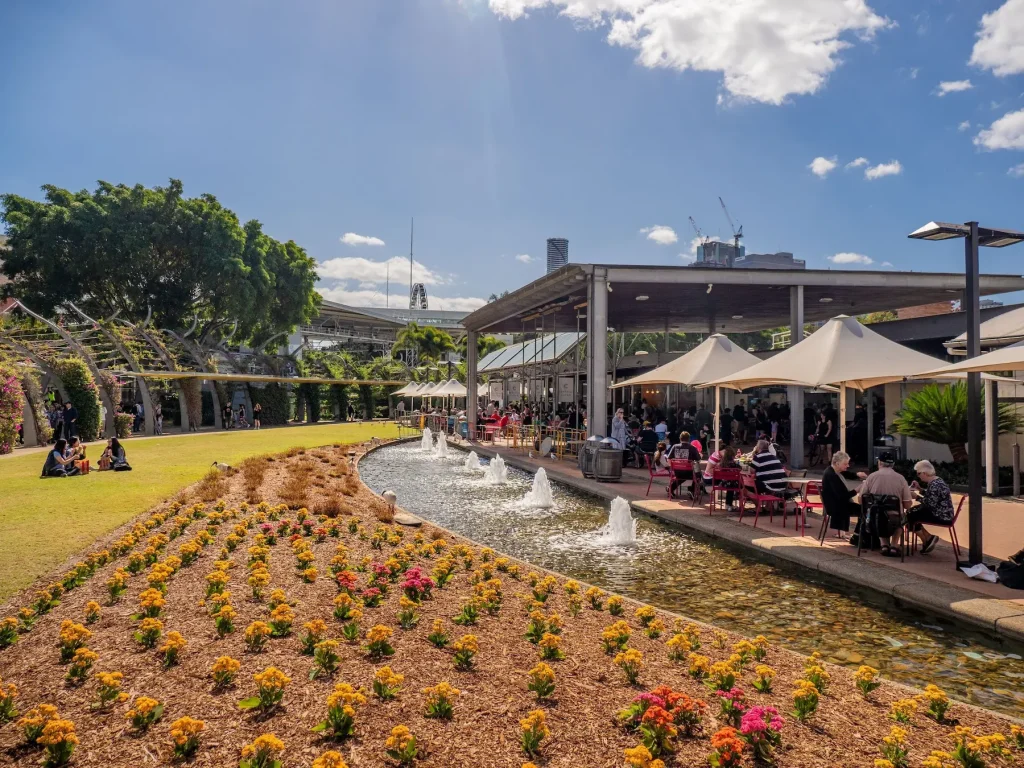
Start at South Bank Parklands, which sits right across the river from the CBD and is walkable from most inner-city hotels.
Streets Beach is the free swimming lagoon inside the parklands, and it’s worth an hour even in winter since it’s lifeguard-patrolled year-round.
From there, GOMA has free entry to its permanent collection and sits right on the river, so it’s an easy add-on to the same morning.
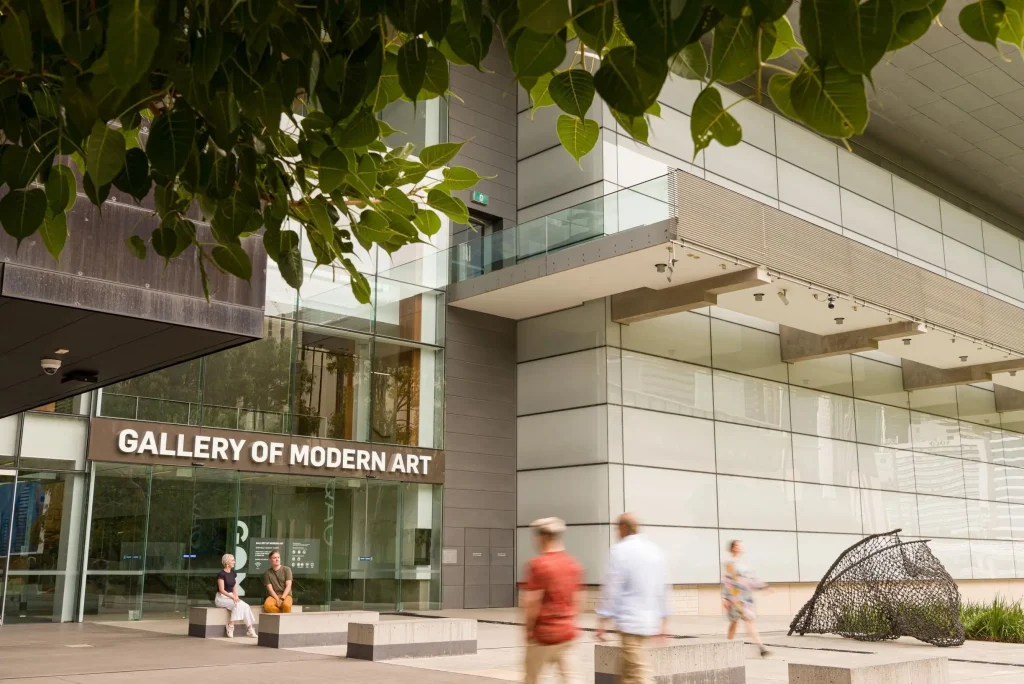
Couples and solo travellers can happily fill a full day around South Bank alone. If you’ve got kids in tow, the Queensland Museum next door is the better use of an hour than a second lap of the parklands, and entry to the permanent exhibits is free.
The Wheel of Brisbane sits at the South Bank end of the parklands if you want a slow, elevated look at the city before you cross the river, and it runs into the evening if you’d rather do it with the skyline lit up.
Cross back into the CBD in the afternoon and walk it. Brisbane’s inner city is compact enough that most of it is doable on foot, and the CityCat ferry is there if your legs are done, with the river views worth it on their own.
Two free CBD stops are worth building into the walk. City Botanic Gardens on Alice Street is the original botanic garden in the city, with a Weeping Fig Avenue and a bamboo grove that make it feel far quieter than it should be this close to the office towers.
City Hall on King George Square runs a free clock tower tour, including a ride in the original hand-operated lift, though it’s worth booking ahead since spots are limited.
For dinner, book ahead if you want a table in the CBD on a weeknight. The city centre empties early, and my things to do in Brisbane guide has a fuller rundown of where the actual dinner crowd goes instead.
Day 2 – Fortitude Valley and New Farm
Fortitude Valley, which locals just call The Valley, is Brisbane’s nightlife and live music strip, but it’s worth a daytime wander too.
Howard Smith Wharves sits right on the river underneath the Story Bridge, and it’s a good lunch stop before you explore further into the Valley itself.
James Street runs through the more polished end of the precinct, with boutiques and cafes worth a slow hour if that’s your thing.
New Farm is a short walk east and has a completely different pace – leafy streets, a proper riverside park, and the Brisbane Powerhouse if there’s a comedy or theatre show worth timing your trip around.
The walk from the CBD to New Farm along the river, through Teneriffe and past Fish Lane, is a good way to spend the afternoon if you’d rather wander than plan.
If you’re there on a Friday or Saturday evening, the Eat Street Northshore markets in Hamilton are worth the CityCat ride, an outdoor food market in converted shipping containers with live music and a bar for the adults.

It only runs Friday and Saturday from 4 pm to 10 pm and Sunday from 4 pm to 9 pm, so it won’t fit every trip.
For dinner and drinks on James Street, book ahead since the good tables go fast. Same Same, Hellenika inside The Calile Hotel, and SK Steak & Oysters are the names that keep coming up, and The Calile itself is worth walking past even if you’re not staying there.
In the evening, this is where [best rooftop bars in Brisbane guide] comes in, since the Valley and its edges have most of the city’s better rooftop options.
If beer is more your speed than cocktails, my brewery tours in Brisbane guide covers the tours worth booking rather than working it out on the day.
Day 3 – Kangaroo Point and Mount Coot-tha
Morning is best spent at Mount Coot-tha Lookout, about 15 minutes from the CBD by car or a short bus ride on the 471.
The panoramic view over the city and out to Moreton Bay is worth the trip on a clear day, and there’s a cafe at the top if you want to make a slow morning of it.
Head back into the city for lunch, then spend the afternoon at Kangaroo Point Cliffs, the sandstone escarpment directly across the river from the CBD.
It’s Brisbane’s best sunset spot, and it’s free to walk unless you book the Story Bridge Adventure Climb, which takes you to the top of the bridge itself with the same view from higher up. 👉 Book the Story Bridge Climb here.
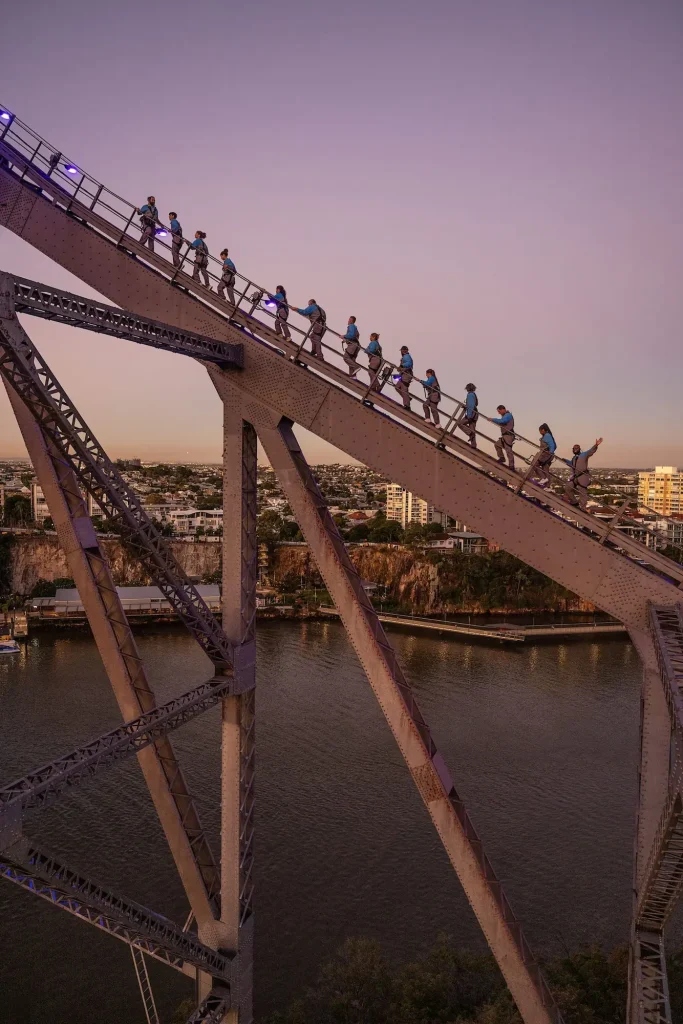
The public electric barbecues along the Kangaroo Point clifftop parkland are the detail most first-time visitors miss.
Bring a blanket, your own food, and a bottle of wine, and cook dinner with the whole CBD skyline lit up across the river. It costs nothing beyond the groceries, and it’s a better sunset than most paid options in the city.
Families travelling with younger kids might prefer to swap this afternoon for Lone Pine Koala Sanctuary instead, about 20 minutes southwest of the CBD. 👉 Book Lone Pine Koala Sanctuary here.
For dinner, the best restaurants in Brisbane guide has the fuller list, but West End and New Farm are both a safer bet than the CBD on your last night.
Day 4 (Optional) – Moreton Island or the Gold Coast
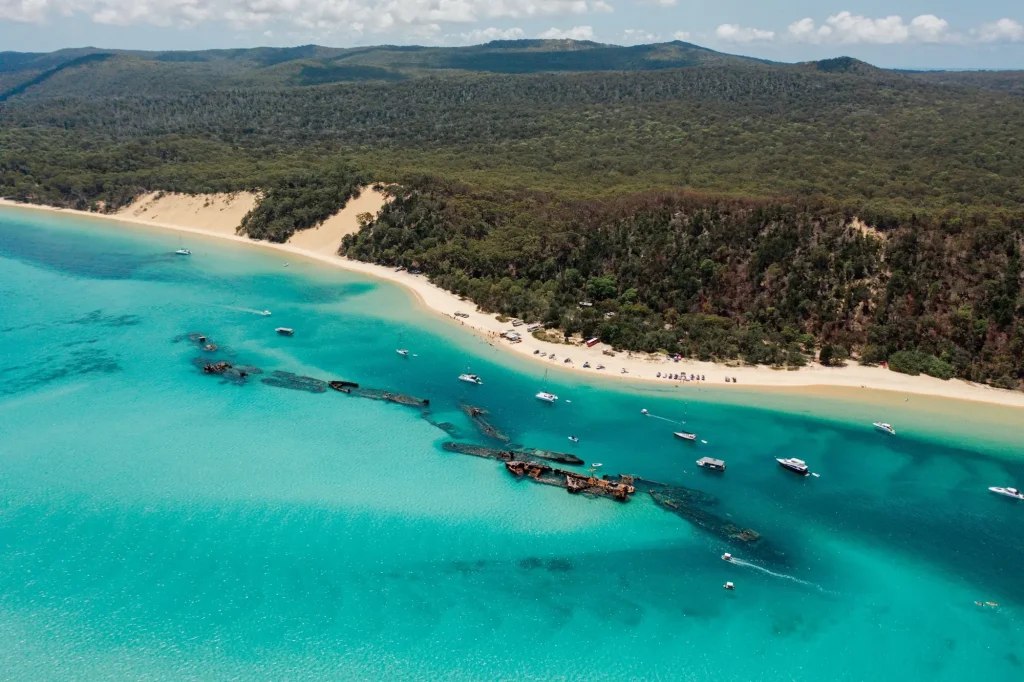
If you’ve built in a fourth day, Moreton Island is the standout choice.
It’s the world’s third-largest sand island, reachable by a 75-minute ferry from Holt Street Wharf in Pinkenba, and the Tangalooma shipwrecks just offshore are one of the better snorkelling spots in the state. 👉 Book a Moreton Island day trip here.
North Stradbroke Island, known locally as Straddie, is worth considering instead if you’re travelling with younger kids or want an easier logistics day.
It’s reachable by a short ferry from Cleveland, about 40 minutes southeast of the CBD by car or train, has its own local bus service once you’re on the island, and the beaches and freshwater lakes are calmer than what you’ll find on Moreton.
The Gold Coast is the easier option again if you’d rather not deal with a ferry crossing at all. Trains run from Roma Street Station to the Gold Coast in about an hour, and my Gold Coast itinerary covers what to do once you’re there.
Either one works as a long day trip, but if beaches are the actual priority for the wider trip, it’s worth reading my best beaches in Australia guide before deciding how much time to give the coast versus the city.
Where to Stay for This Itinerary
South Bank puts you closest to the parklands, GOMA, and the museum, which suits first-time visitors who want to walk to most of Day 1 without relying on transport.
Fortitude Valley is the better base if nightlife or the food scene is the priority, since it puts Howard Smith Wharves, James Street, and most of the rooftop bars within walking distance.
New Farm is quieter and suits couples or anyone who wants a base with a slower pace, still an easy walk or short bus ride from the Valley.
My full where to stay in Brisbane guide breaks down specific hotels by area, and the best hotels in Brisbane with a pool guide is worth a look if that’s a priority in the warmer months.
Getting Around Brisbane
The Airtrain connects the airport to the CBD in about 20 minutes and is the simplest way in if you’re not renting a car.
Once you’re in the city, the CityCat ferry, buses, and rideshare cover almost everything in this itinerary. Trains and CityCat ferries take a tap of your regular bank card, but buses still need a Go card, so grab one early if you’re planning to use them.
The CityHopper is a separate, free ferry service that loops a short stretch of the river past the CBD and Kangaroo Point. It’s worth riding once after dark just for the skyline, even if you’ve already used the CityCat during the day.
A car only really earns its keep if you’re adding the Glass House Mountains or the hinterland national parks, since neither has decent public transport.
Best Time of Year to Visit Brisbane
June to August is the strongest window for this itinerary, since Brisbane’s winter is dry, sunny, and sits around the low-to-mid twenties, which makes the walking-heavy days in this guide far more comfortable.
March to May is a close second, with slightly more rain but noticeably quieter than winter.
December to February is hot and humid with regular afternoon storms, and it changes how this itinerary plays out in practice – build in more indoor breaks and do the outdoor days earlier in the morning.
Shortening or Extending This Itinerary
With only two days, skip Day 3 entirely and fold Kangaroo Point into a late afternoon on Day 1, since it’s a short walk across the Story Bridge from the CBD.
With five days or more, West End is worth adding as its own half-day. It’s Brisbane’s most multicultural pocket, with cheap eats along Boundary Street and a Saturday market at Davies Park that’s one of the better ones in the city.
Roma Street Parkland, a short walk from Central Station, is also worth an hour if you want more green space without leaving the CBD.
Travellers doing a wider Queensland loop can treat this as the opening leg. My Brisbane to Cairns road trip itinerary picks up from here if the plan is to keep heading north along the coast.
Important Notes Before You Go
✅ Book dinner ahead across the board, not just in the CBD. Brisbane restaurants generally stop taking orders earlier than you’d expect, especially on Sundays, and the CBD itself empties out well before the Valley or West End do on weeknights.
✅ The Glass House Mountains and hinterland day trips are difficult without a hire car, so don’t plan on adding them to this itinerary if you’re relying on public transport for the rest of the trip.
✅ If you’re doing Moreton Island as your fourth day, book the ferry crossing in advance during school holidays, since it fills up faster than most people expect.
✅ Summer visitors should front-load activity before midday and build rest time into the afternoon, since the humidity from December to February is genuinely tiring if you’re not used to it.
