
Is Brisbane Worth Visiting? What Most Travellers Get Wrong

Australia Travel Hub contains affiliate links and is a member of the Amazon Services LLC Associates Program. If you make a purchase using one of these Amazon links, we may receive compensation at no extra cost to you. See our Disclosure Policy for more information.
Brisbane is the city most first-time visitors to Australia skip — and most people who’ve been say it’s the one they’d go back to first.
It’s cheaper than Sydney, sunnier than Melbourne, and sits at the door to some of the best coastline in the country.
So, Is Brisbane Worth Visiting?
Yes — especially if you’re travelling in winter (June to August), when the rest of Australia is cold and grey, and Brisbane is sitting at 20°C with clear skies and not a drop of rain in sight.
It’s also the easiest city in Australia to use as a base, with the Gold Coast an hour south, the Sunshine Coast about 1.5 hours north, and Moreton Island just a 75-minute ferry from Holt Street Wharf in Pinkenba.
Brisbane at a Glance
| Brisbane | |
|---|---|
| Best time to visit | June–August (winter), March–May (autumn) |
| Days needed | 3–4 days in the city, more if doing day trips |
| Budget per day | ~$100 (budget), ~$246 (mid-range) |
| Getting around | CityCat ferry, bus, rideshare |
| Closest beach | Gold Coast (1 hour south), Sunshine Coast (1.5 hours north) |
| Airport to CBD | ~20 min by Airtrain, ~30 min by taxi |
What Brisbane Is Actually Like
Brisbane has a reputation as a stepping stone — a city people pass through on the way to the Gold Coast or Cairns.
That reputation is wrong.
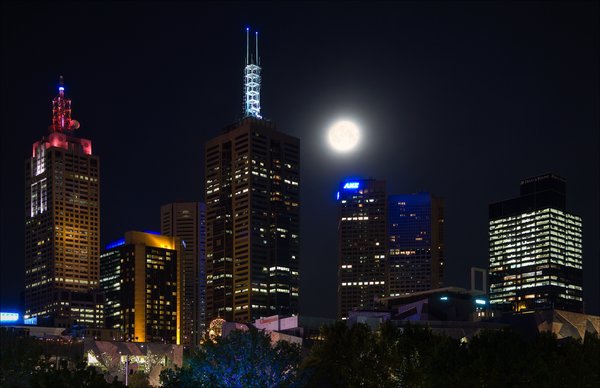
The city has transformed significantly in the past decade, with a food scene that now rivals Melbourne, a thriving arts precinct in South Bank, and a walkable inner city that’s genuinely easy to explore on foot.
It doesn’t have Sydney’s iconic harbour or Melbourne’s laneways — but it has better weather than both and costs noticeably less.
Top Things to Do in Brisbane
✅ Free Things to Do in Brisbane
South Bank Parklands and Streets Beach
Streets Beach is a free, lifeguard-patrolled lagoon right in the city, open year-round.
It’s technically a man-made swimming hole, but on a warm winter afternoon it feels as good as the real thing, and the parklands around it are genuinely beautiful.
GOMA — Gallery of Modern Art
GOMA has free entry to the permanent collection and is one of the best modern art galleries in Australia.
It’s open from 10 am to 5 pm daily (Fridays until 8 pm) and sits right on the river — easy to combine with a walk through South Bank.
City Botanic Gardens
The City Botanic Gardens stretch along the river at the edge of the CBD and are free to wander any time.
The gardens are 18 hectares, shaded, and far quieter than South Bank — a good place to slow down mid-afternoon.
CityCat Ferry
The CityCat is Brisbane’s river ferry service and one of the most underrated things in the city.
A single trip costs 50 cents under the TransLink fare cap — and the views of the river and Story Bridge from the water are legitimately good.
Kangaroo Point Cliffs
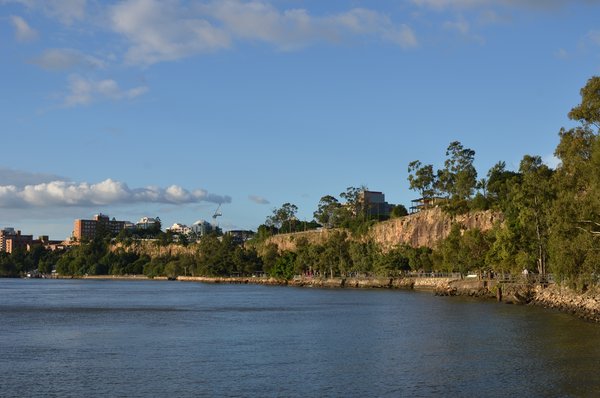
Kangaroo Point Cliffs is the best sunset spot in Brisbane — a 20m sandstone escarpment on the south bank of the river, right across from the CBD.
It’s also a popular free rock climbing spot and is packed with locals on weekend evenings.
Mt Coot-tha Lookout
The Mt Coot-tha Lookout is about 8km west of the CBD (Bus 471 or a 15-minute drive), with a panoramic view of the city skyline stretching out to Moreton Bay.
There’s a café at the top — go at sunset.
Queensland Museum
The Queensland Museum in South Bank has free entry to all permanent exhibitions — dinosaurs, natural history, Queensland Story — and is a solid half-day activity for families.
💸 Paid Attractions in Brisbane
Story Bridge Climb
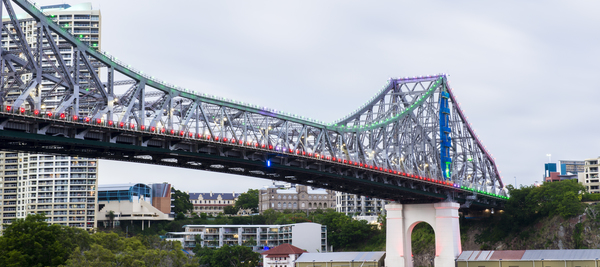
The Story Bridge Adventure Climb takes you to the top of Brisbane’s most recognisable landmark, with 360-degree views across the city and out to Moreton Bay.
Prices start from around $150 for adults — best booked in advance, especially for dawn and twilight sessions.
Lone Pine Koala Sanctuary
Lone Pine Koala Sanctuary is 12km southwest of the CBD and is the world’s first and largest koala sanctuary.
Adult entry is $59 — note that koala holding is no longer available, but the koala encounter, where you can pat one and chat to a keeper, is still worth it for first-time visitors to Australia.
Brisbane’s Best Neighbourhoods
⭐ South Bank
South Bank is where most first-timers spend their time, and for good reason.
GOMA, the Queensland Museum, Streets Beach, the Parklands, and The Collective Markets at South Bank (Friday evening to Sunday afternoon) are all within a short walk of each other.
⭐ Fortitude Valley
Fortitude Valley — locals just call it The Valley — is Brisbane’s nightlife and live music hub.
Fortitude Music Hall is one of the best mid-size music venues in Australia, and the strip has craft breweries, wine bars, and restaurants that have genuinely lifted the area’s reputation for food.
Just at the bottom of The Valley, right on the river, is Howard Smith Wharves — a precinct of bars and restaurants built directly beneath the Story Bridge.
Felons Brewing Co. anchors the waterfront end and has some of the best outdoor river seating in Brisbane.
⭐ New Farm
New Farm sits just east of The Valley and has a completely different feel — leafy streets, riverside walks, a strong café culture, and the Brisbane Powerhouse, a converted power station that runs live comedy, theatre, and arts events.
New Farm Park is a popular weekend spot for locals and is worth a walk along the river in the morning.
⭐ West End
West End is the most multicultural part of Brisbane, with cheap eats, independent bookshops, and a Saturday market at Davies Park that’s one of the best in the city.
Brisbane’s Food Scene
Brisbane’s food scene has quietly become one of the strongest in Australia.
The inner-city suburbs — Fortitude Valley, West End, New Farm, and South Bank — are dense with independent restaurants that would hold their own against anything in Sydney or Melbourne.
A few worth knowing —
- Restaurant Venner (West End, open Wed–Sun) — contemporary Australian cooking with Nordic influences on Boundary Street, opened in early 2026 and is already one of the more interesting rooms in the city
- NUG General Store (Bakery Lane, The Valley) — a grocer-café hybrid doing handmade pasta and Italian small plates, one of the better-value spots in the city
- Central (CBD) — a subterranean Hong Kong-style dumpling bar hidden beneath Piccadilly Arcade on Queen Street, and one of Brisbane’s most talked-about interiors right now
For a more casual evening out, Eat Street Northshore in Hamilton is an outdoor food market in converted shipping containers, open Friday to Sunday from 4 pm — $6 entry at 221D Macarthur Ave.
Where to Stay in Brisbane
Luxury
The Calile Hotel sits on James Street in Fortitude Valley — a brutalist building centred around a 30-metre outdoor pool and one of The World’s 50 Best Hotels.
Hellenika and SK Steak & Oyster are both on-site. From around $390/night.
Emporium Hotel South Bank is a 143-suite boutique hotel right in South Bank, a short walk from GOMA, Streets Beach, and the river.
Consistently one of the highest-rated hotels in Australia on TripAdvisor, with a rooftop bar and an on-site patisserie. From around $205/night.
Mid-range and Boutique
Hotel X Brisbane is on Brunswick Street in Fortitude Valley — close to Howard Smith Wharves, Fortitude Music Hall, and James Street.
The Iris Rooftop Bar has strong city views, and Bisou Bisou does French dining on-site. From around $193/night.
The Constance is a 65-room boutique hotel in Fortitude Valley with street art interiors — a different artist brief for every floor.
From around $130/night, it’s one of the better-value inner-city options and has access to the Valley Pool & Gym nearby.
Day Trips from Brisbane
One of Brisbane’s biggest advantages is its location — the day trips are genuinely excellent.
If you’re planning to drive, road trips from Brisbane cover the best multi-day routes.
| Destination | Distance | How to Get There | Best For |
|---|---|---|---|
| Gold Coast | 80km south | 1 hour by car, ~1h20 by train | Beaches, theme parks, surf |
| Sunshine Coast | 100km north | 1.5 hours by car | Noosa, relaxed beaches, Hinterland |
| Moreton Island | 40km offshore | 75-min ferry from Holt Street Wharf, Pinkenba | Snorkelling, sandboarding, dolphins |
| Australia Zoo | 80km north | 1 hour by car | Wildlife, families |
| North Stradbroke Island | 30km east | 25-min passenger ferry from Cleveland | Whale watching (June–Oct), 4WD beaches |
| Glass House Mountains | 65km north | 1 hour by car | Volcanic peaks, short walks, big views |
| Lamington/Springbrook | 90–100km south | 1.5 hours by car | Rainforest, waterfalls, and glow worms |
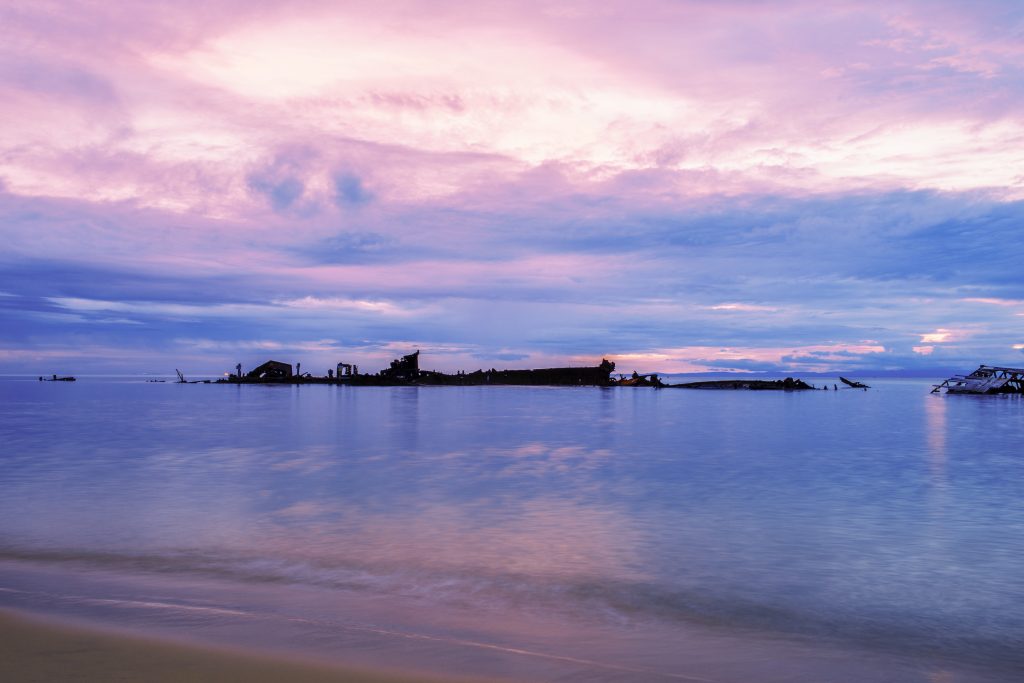
Moreton Island is the standout — it’s the world’s third-largest sand island, has no sealed roads, and the Tangalooma Wrecks just offshore are one of the best snorkelling spots in Queensland.
The Gold Coast is the easiest — trains run from Roma Street Station to Helensvale (about 1 hour), where you transfer to the G:link tram to reach Surfers Paradise in another 30 minutes.
For more details, my Gold Coast guide covers what to do once you’re there.
Australia Zoo is worth the trip for families — it’s about 80km north near Beerwah on the Sunshine Coast, and a half-day out if you combine it with Noosa or the Sunshine Coast beaches.

The Glass House Mountains are an easy hour north — a cluster of ancient volcanic peaks rising out of the flat coastal plain, with short walks and wide views from the top of Mt Ngungun.
For rainforest, Lamington and Springbrook National Parks are 1.5 hours south of the Gold Coast Hinterland and have Queensland’s best waterfalls, glow worm caves, and ancient Antarctic beech trees.
For more national parks and walking tracks across Australia, my hiking in Australia guide is worth reading before you plan your trip.
The Glass House Mountains and the national parks are significantly easier with a hire car — there’s no practical public transport option to either.
Best Time to Visit Brisbane
June to August is the sweet spot.
Temperatures sit around 10–21°C, days are dry and sunny, and the humidity that makes summer brutal is completely gone.
Brisbane in winter is what people imagine when they think of Australian weather — and it’s genuinely one of the best places in the country to be during the colder months.
March to May is also very good — warm but not oppressive, slightly more rain than in winter, and accommodation prices are lower than in the peak winter months.
September to November is worth considering if you’re visiting in spring — the jacaranda trees turn the streets purple from late September for several weeks.
The Brisbane Festival runs through September with outdoor events and the annual Riverfire fireworks display on the river.
December to February is hot and humid, with afternoon storms common.
It’s still doable — and South Bank is packed with locals in the water — but it’s not the most comfortable time for sightseeing on foot.
How Many Days Do You Need in Brisbane?
3 days is enough to see the main city highlights without rushing.
4–5 days is the better option if you want to add one or two day trips — to Moreton Island or the Gold Coast on top of the city.
A 1-week Brisbane base makes sense if you’re working through Brisbane, Gold Coast, Sunshine Coast, and the Hinterland as a broader Queensland trip.
Brisbane on a Budget
Brisbane is noticeably more affordable than Sydney or Melbourne — roughly 20–30% cheaper across accommodation, food, and activities.
Free or near-free for a full day
- South Bank Parklands, Streets Beach, GOMA, City Botanic Gardens, CityCat ferry rides, West End markets
Budget meals under $20
- West End and Fortitude Valley have solid options across Vietnamese, Thai, and Greek cuisines
Mid-range accommodation averages around $150–$200 per night for a good hotel in the inner suburbs.
Common Mistakes to Avoid in Brisbane
❌ Skipping it entirely. Brisbane is still regularly left off Australian itineraries in favour of Sydney and Melbourne — that’s changing, but slowly.
❌ Underestimating the summer heat. January and February are genuinely exhausting if you’re not used to subtropical humidity — if you’re visiting in summer, build rest time into your days and front-load your activity before midday.
❌ Not catching the CityCat. Plenty of visitors stick to ridesharing the whole trip and miss the river entirely — the ferry is cheaper, slower in the best way, and far more scenic.
❌ Leaving too little time for South Bank. Most people do South Bank in two or three hours, but a full half-day there — markets, GOMA, Streets Beach, lunch along the river — is much more satisfying.
❌ Rushing to the Gold Coast and back in a day, then running out of time. The Gold Coast is easy enough to do as a day trip, but if beaches are the priority, it deserves at least one night. Also note, it is ALWAYS traffic on the Gold Coast.
❌ Going out for dinner in the CBD on a weeknight. The city centre goes quiet early — many restaurants stop taking orders by 8 pm, and the CBD feels almost empty on Monday and Tuesday nights. Fortitude Valley and West End are far better for weeknight dining.
❌ Not hiring a car if you’re doing day trips. The Gold Coast is covered by train and Moreton Island by ferry — but the Glass House Mountains and the hinterland national parks are difficult or impossible without a car.
FAQ — Is Brisbane Worth Visiting?
Is Brisbane worth visiting for a few days?
Yes — 3 days is enough to cover South Bank, the inner suburbs, and a one-day trip. Four days give you more breathing room.
Is Brisbane expensive?
Brisbane is cheaper than Sydney and Melbourne. Budget travellers can manage on around $100 a day, including accommodation, food, and public transport. Mid-range sits around $246 per day.
What is Brisbane best known for?
Brisbane is best known for its subtropical climate, South Bank Parklands, the Story Bridge, and proximity to the Gold Coast and Sunshine Coast. The food and arts scenes have grown significantly in recent years.
Is Brisbane better than Sydney or Melbourne?
It depends on what you want. Sydney wins on iconic landmarks, Melbourne wins on culture and coffee, and Brisbane wins on weather, value, and easy access to beaches and islands. My Is Sydney Worth Visiting guide covers the Sydney side of that comparison in more detail.
When is the best time to visit Brisbane?
June to August — Brisbane’s winter — is the best time to visit. Days are dry, sunny, and around 20°C, which is ideal for sightseeing and day trips.
How do I get around Brisbane?
The CityCat river ferry, bus network, and rideshare all work well. The Airtrain connects the airport to the CBD in about 20 minutes — fares run $20–$23 depending on how you book, with online pre-purchase the cheapest option.
Is Brisbane good for families?
Yes — Lone Pine Koala Sanctuary, Streets Beach, South Bank Parklands, and the Queensland Museum are all family-friendly, and several are free or low-cost.
