
12 Experiences in Australia That Are 100% Worth It

Australia Travel Hub contains affiliate links and is a member of the Amazon Services LLC Associates Program. If you make a purchase using one of these Amazon links, we may receive compensation at no extra cost to you. See our Disclosure Policy for more information.
Not everything in Australia lives up to the hype. I’ve driven long roads to underwhelming payoffs and paid for experiences that felt like a tick-box exercise.
But then there are the other moments — the ones that make the whole trip. The ones that come back to you weeks later when you’re sitting at home, wondering when you can go back.
This list is those moments. These aren’t just the most talked-about experiences in Australia — they’re the ones that genuinely deliver.
The ones real travellers, including plenty of Australians who’ve seen it all, still rate as unmissable.
If you’re building a trip and wondering what’s actually worth your time and money, start here.
1. Snorkelling or Diving the Great Barrier Reef (QLD)
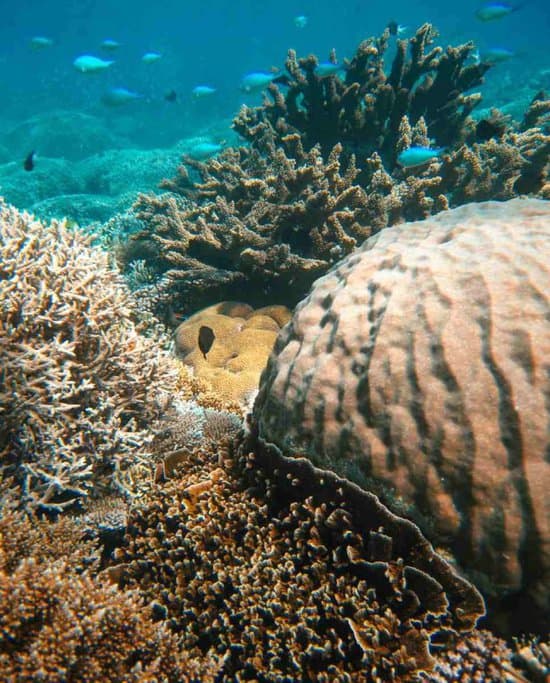
It comes up in almost every conversation about Australia for a reason. The Great Barrier Reef is the largest coral reef system on earth, stretching over 2,300 kilometres off the Queensland coast, and getting into the water here is genuinely unlike anywhere else.
The colours hit differently in person — parrotfish, sea turtles, reef sharks, and coral formations in every direction.
Most people base themselves in Cairns or Port Douglas and take a day boat out to the outer reef.
Port Douglas tends to be quieter, and the reef quality is consistently good. If you don’t dive, snorkelling is plenty — the outer reef starts shallow enough that you don’t need a licence to see the best of it.
One thing worth knowing: the reef is under real pressure from bleaching events, so the experience varies depending on where you go and when.
Operators who take you to the outer reef rather than the inner reef give you the best chance of seeing it at its most vivid. It’s worth asking before you book.
2. Watching Sunrise or Sunset at Uluru (NT)

Photos of Uluru are everywhere. You’ve seen them. And still, when you actually stand there at sunrise and watch that rock shift from grey to deep amber to burning red as the light changes, it stops you in your tracks.
It’s one of those rare travel moments where the real thing completely outpaces the expectation.
The best approach is to do a guided tour with the Anangu — the traditional custodians of the land.
They share stories about Tjukurpa, the Anangu law and belief system, which gives the whole experience a depth you simply don’t get from standing at a viewing platform alone.
Several travellers who’ve made the trip say this cultural context is what makes it genuinely meaningful rather than just scenic.
Uluru is not a cheap or easy destination to reach — Alice Springs is the nearest airport, and it’s another three-hour drive.
But the consistent verdict from people who make the effort is that it’s worth every bit of it.
3. Driving the Great Ocean Road (VIC)
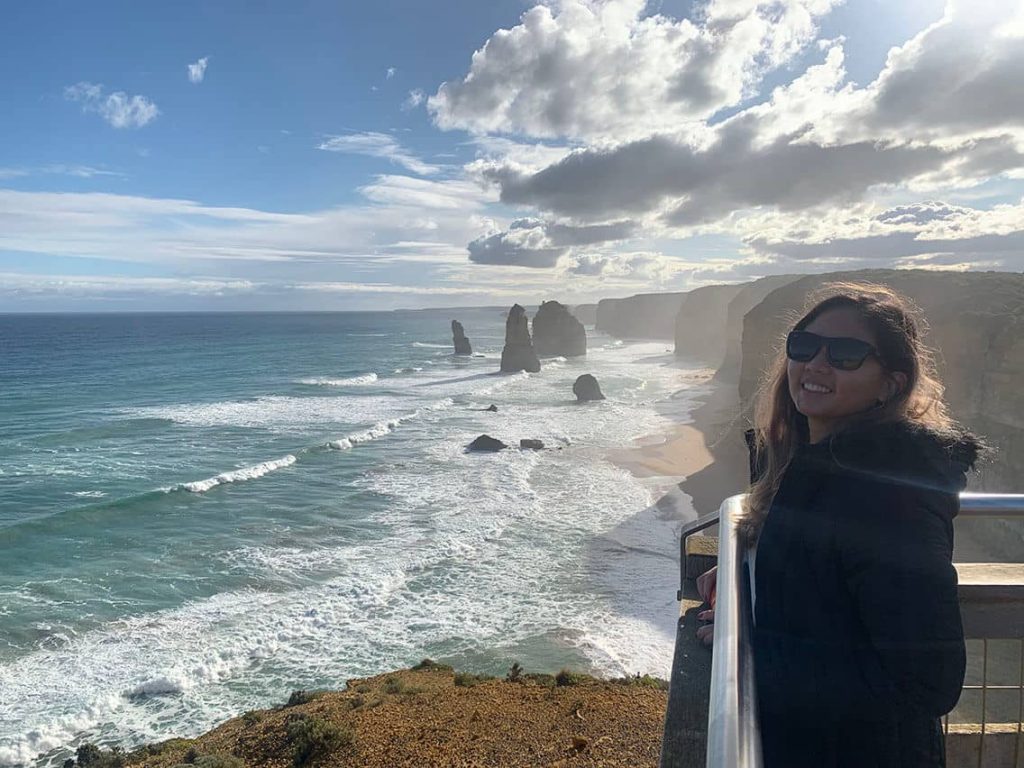
The Great Ocean Road is one of the most scenic coastal drives in the world, and it’s free. That alone makes it remarkable.
The road hugs the southern Victorian coastline for over 240 kilometres, with the Southern Ocean to one side and rainforest to the other, passing surf towns, dramatic cliff formations, and the Otway Ranges along the way.
The key is not to rush it. A lot of people do it as a day trip from Melbourne and come back feeling underwhelmed because they tried to cover too much ground. Give it two days minimum.
Stop at Apollo Bay, walk into the Otway rainforest, and spend a night somewhere along the road so you can hit the Twelve Apostles at dawn before the tour buses arrive.
The Twelve Apostles are the famous stop, but locals consistently point to Loch Ard Gorge and London Arch as the better views — fewer crowds and just as dramatic.
The road itself, though, is the real experience. The drive earns its reputation.
4. The Ferry from Circular Quay to Manly (NSW)
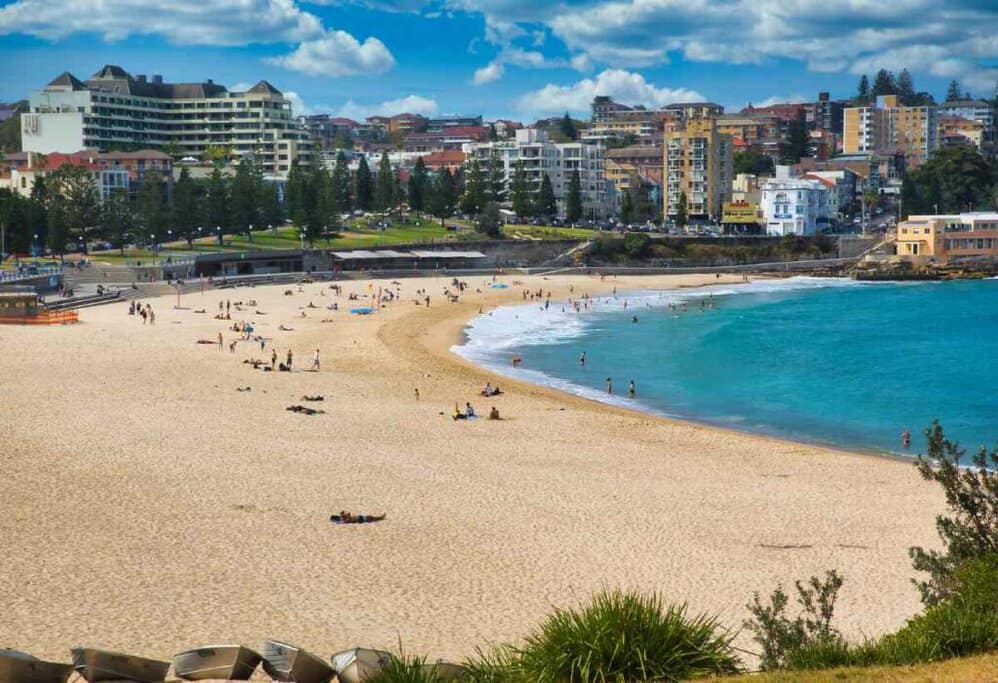
This one surprises people with how good it is. For the price of a regular ferry ticket — well under $10 — you get a 30-minute ride across Sydney Harbour that takes you past the Opera House, under the arch of the Harbour Bridge, through the heads, and out into the open water before arriving at Manly Beach.
It’s one of the best harbour experiences in the world, and most people don’t realise it’s just a commuter ferry.
Manly itself is a genuinely lovely beach suburb — far less crowded than Bondi, with a long stretch of beach, good food options on the Corso, and a coastal walk to Shelly Beach that’s worth every step.
Spend a few hours there and take the ferry back as the sun drops. The harbour at dusk from the water is hard to beat.
Tip: Grab a seat on the right-hand side of the ferry on the way out to get the best views of the Opera House and bridge. It fills up fast on weekends, so aim for mid-morning on a weekday if you can.
5. The Penguin Parade at Phillip Island (VIC)

Every evening, as darkness falls on Phillip Island, hundreds of little penguins — the smallest penguin species in the world — waddle out of the Southern Ocean and make their way across the beach to their burrows.
It sounds like a simple thing. In practice, it’s one of those experiences that Australians have taken visiting family to dozens of times because it never gets old.
One local described the experience well: the beach portion, where you watch them come in from the ocean, is good.
The walk back along the elevated boardwalks is what lifts it to a 10 out of 10. The boardwalks sit right alongside the penguin pathways, meaning you’re watching them at eye level from just a metre away as they waddle past.
Staff are stationed throughout and genuinely enjoy answering questions.
Bring a warm layer regardless of the season — it gets cold on that beach at night — and binoculars for the beach portion.
Winter is actually a great time to go because the penguins come in earlier, so you’re not getting home at midnight.
6. Healesville Sanctuary, Yarra Valley (VIC)
If seeing Australian wildlife is on the list — and for most visitors it is — Healesville Sanctuary in the Yarra Valley is consistently recommended by Australians over the big-city zoos.
It specialises entirely in native Australian animals, set within a bushland property that feels like you’re walking through the Australian bush rather than a zoo enclosure.
The platypus exhibit is one of the only places in the world where you can reliably see platypus up close — they’re notoriously difficult to spot in the wild.
The birds of prey show is another standout, with wedge-tailed eagles, owls, and kookaburras flying overhead in an open-air demonstration that runs daily. Wombats, echidnas, kangaroos, and Tasmanian devils round out the experience.
It’s about 90 minutes from Melbourne CBD and pairs well with a stop at one of the Yarra Valley wineries on the way back.
Go on a weekday if possible — it’s noticeably quieter, and the animals are more active.
7. The Blue Mountains (NSW)
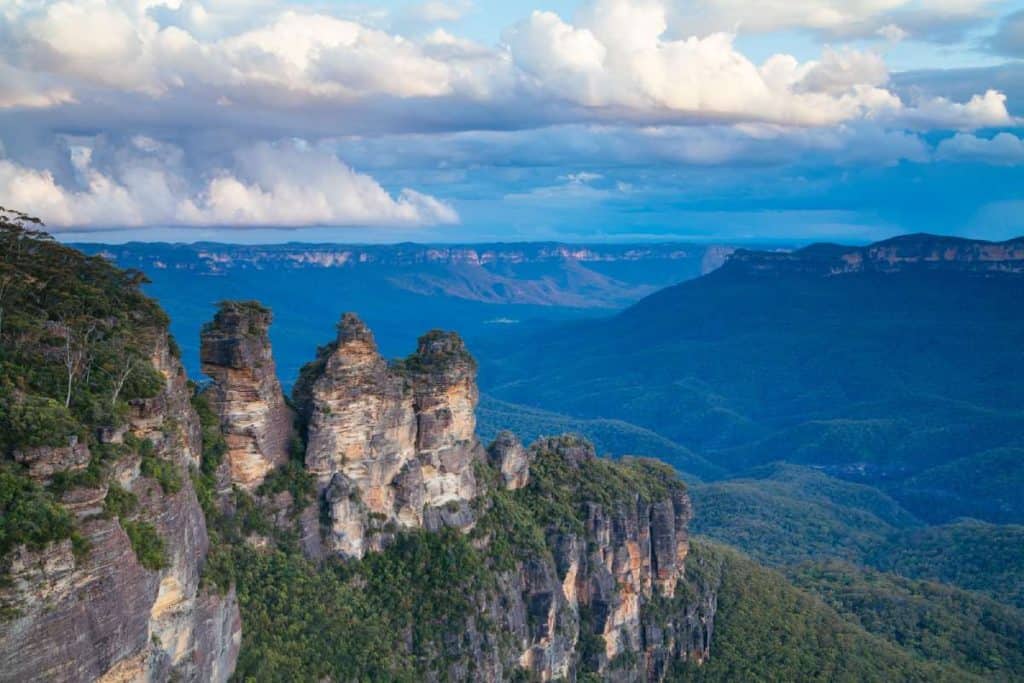
The Blue Mountains are just 90 minutes by train from Sydney Central, which makes them one of the most accessible natural escapes from any major Australian city.
The scale of the place is what gets people. Standing at Echo Point looking out over the Jamison Valley and the Three Sisters rock formation, with eucalyptus haze hanging across kilometres of deep forested valleys, feels genuinely monumental.
Katoomba is the main base town and has a good range of cafes and accommodation.
From there, the Scenic World complex gives you access to the steepest railway in the world, a cable car across the valley, and a boardwalk through ancient temperate rainforest at the valley floor. It’s touristy, but the rainforest walk earns it.
For the walkers, the Six Foot Track and the Grand Canyon Walk in Blackheath are both excellent.
The Blue Mountains reward a two-day visit far more than a rushed day trip — an overnight stay in Leura or Katoomba gives you the evenings and early mornings when the light across the valley is at its best.
8. The Daintree Rainforest (QLD)
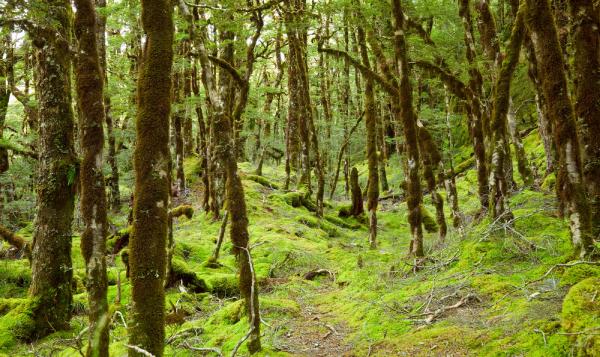
The Daintree is estimated to be around 180 million years old — older than the Amazon — and being inside it feels ancient in a way that’s hard to describe.
It’s a World Heritage-listed tropical rainforest that runs right to the edge of the Coral Sea, meaning there are beaches in Far North Queensland where the rainforest meets the ocean.
Cape Tribulation is the most famous of these, and the photos still don’t fully prepare you for it.
Most people visit from Cairns or Port Douglas. The Daintree River ferry crossing is the gateway in, and from there the sealed road takes you into dense jungle with cassowaries, tree kangaroos, and pythons living in the canopy.
Guided night walks are excellent for spotting wildlife that stays hidden during the day.
Combining the Daintree with the Great Barrier Reef as a single base in Port Douglas is one of the best two-experience combinations in Australia.
Both are within easy reach, and Port Douglas itself is a far more relaxed base than Cairns.
9. Swimming with Whale Sharks at Ningaloo Reef (WA)
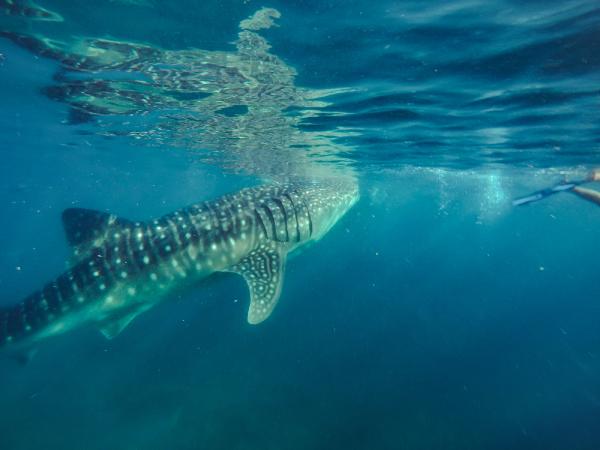
Ningaloo Reef sits off the remote Coral Coast of Western Australia, near the town of Exmouth, and it’s one of the most extraordinary marine experiences in the world.
The reef itself is remarkable — it runs close enough to shore that you can snorkel directly from the beach without needing a boat.
But the headline experience, available from around March to July each year, is swimming alongside whale sharks.
Whale sharks are the largest fish on earth — growing up to 12 metres — and they’re entirely harmless filter feeders.
Operators use spotter aircraft to locate them, then drop small groups into the water ahead of where they’re heading.
The experience is about as close to a guaranteed wild animal encounter as you’ll find anywhere in Australia.
Ningaloo doesn’t get the same visitor numbers as the Great Barrier Reef, which is a big part of its appeal.
It feels remote and unhurried, and the reef itself is in exceptional health.
Exmouth is the access point — it’s a long way from anywhere, but the travellers who make the trip are consistently the most enthusiastic about it.
10. Kakadu National Park (NT)
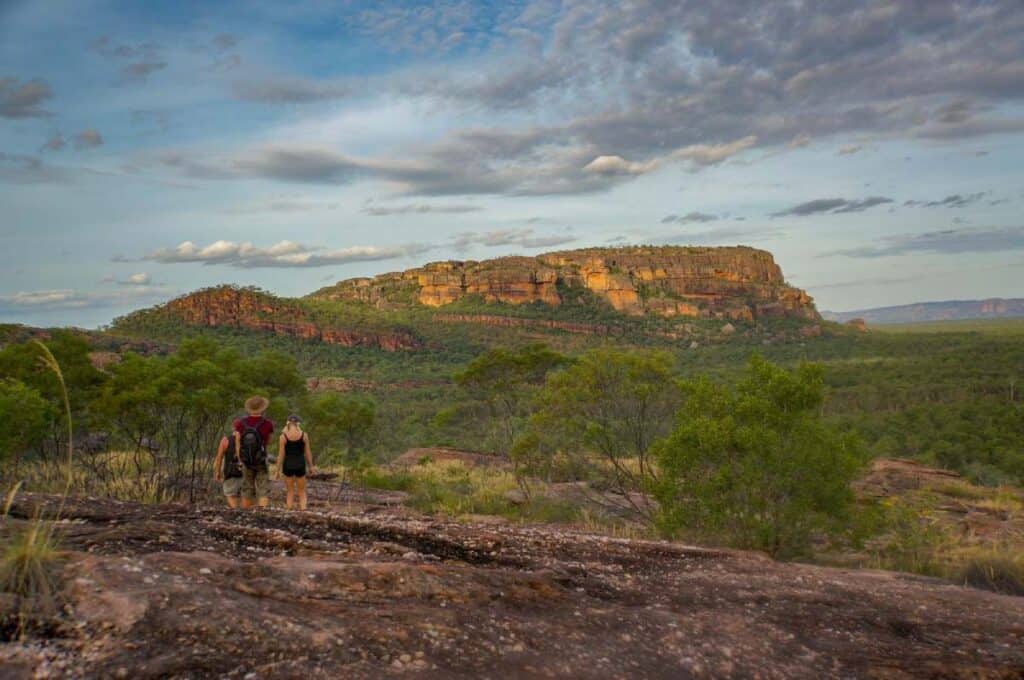
Kakadu is enormous — bigger than some countries — and it contains some of the most significant Aboriginal rock art sites in the world, alongside wetlands that look like they belong in a nature documentary.
The wet season (November to April) brings flooding and dramatic skies. The dry season (May to October) is when most visitors come, with lower water levels making roads and swimming holes accessible.
Ubirr and Nourlangie are the two main rock art sites, and both are genuinely extraordinary.
The Ubirr lookout at sunset, with the floodplains stretching to the horizon below you, is one of the most memorable views in the Northern Territory.
Jim Jim Falls and Twin Falls are worth the effort when water levels allow — both involve rough 4WD tracks but deliver waterfalls that feel completely removed from the tourist trail.
Darwin makes the most sense as a base for Kakadu. Most visitors combine the two, spending a night in Darwin before heading into the park.
Two to three days inside Kakadu is the right amount of time to feel like you’ve actually experienced it rather than just driven through.
11. Kangaroo Island (SA)

Kangaroo Island is often described as a condensed version of everything wild about Australia — and that’s a fair description.
It’s a 45-minute ferry from Cape Jervis, south of Adelaide, and once you’re there, you’ve got kangaroos, koalas, sea lions, echidnas, and Cape Barren geese all living within a relatively small area.
Seal Bay Conservation Park, where you can walk among Australian sea lions on the beach with a ranger, is one of the most underrated wildlife experiences in the country.
The coastline is dramatic — Remarkable Rocks and Admirals Arch on the Flinders Chase end of the island are both worth the drive.
The island also has a strong food and wine scene that developed significantly after the 2020 bushfires, with local producers who are genuinely proud of what they’re making.
Three days is the sweet spot for Kangaroo Island — enough to cover the main wildlife sites and the western end of the island without feeling rushed.
It’s a good fit for a traveller who wants nature without the extreme remoteness of somewhere like the Kimberley.
12. Rottnest Island and the Quokkas (WA)

Quokkas exist almost exclusively on Rottnest Island. There are small mainland populations, but Rottnest is where they thrive in the thousands — curious, fearless, and completely unbothered by humans.
They’re the reason most people make the trip, and they genuinely deliver. But Rottnest is also a lot more than a quokka selfie opportunity, and the travellers who spend a few nights there rather than rushing a day trip tend to come back with a completely different picture of the place.
The snorkelling here is world-class. The island sits where warm tropical currents meet cooler southern water, which creates an unusual mix of marine life — tropical fish species alongside cold-water varieties, all within easy reach of the shore.
The Basin, Little Salmon Bay, and Parker Point are among the best snorkelling spots, and you don’t need a boat to reach any of them.
Rent a bike, ride around the island, and jump in wherever the water looks good.
A couple of practical things worth knowing before you go. The ferry from Perth or Fremantle isn’t cheap — factor that into the budget from the start. And accommodation on the island books out well in advance, particularly over summer and school holidays.
If staying a night or two, which is genuinely worth doing, lock in accommodation as early as possible.
A day trip works, but an overnight stay gives you the island in the early morning and evening when it’s quieter, the light is better, and the quokkas are most active.
