
14 Pros and Cons of Living in Sydney, Australia 2026

Australia Travel Hub contains affiliate links and is a member of the Amazon Services LLC Associates Program. If you make a purchase using one of these Amazon links, we may receive compensation at no extra cost to you. See our Disclosure Policy for more information.
Weighing up the pros and cons of living in Sydney feels easier when the picture comes from real life.
I spend two years moving between Bondi Junction, Woollahra, Neutral Bay, and Mosman, and each spot teaches me something new about what it’s actually like to settle into Australia’s biggest and boldest city.
Life here has moments that feel pretty special and others that test patience, and seeing both sides helps paint a clearer picture of what’s ahead.
Whether a move is on the cards or it’s simple curiosity about life in this corner of the world, the real Sydney story starts to unfold right here.
If you’re thinking about moving to Sydney or just curious about what life is like in Australia’s most famous city, you won’t want to miss this video.
Check it out below to better understand whether Sydney is the right city for you!

Pros and Cons of Living in Sydney
Let’s examine the pros and cons of living in Sydney, which combines stunning natural beauty with a bustling urban lifestyle. I’ll explain the benefits and challenges to help you decide if Sydney fits you.
Pros of Living in Sydney
1. Vibrant City Life

Sydney carries a steady energy that never really slows down and the constant flow of events keeps the city feeling lively. There’s always something happening and it creates a rhythm that makes the place stand out.
January brings the Sydney Festival, turning the city into a cultural hub filled with theatre, music, dance, and art.
The Sydney Film Festival adds another layer with films and documentaries from around the world that offer fresh stories and new perspectives.
Sport holds a strong place in the city too.
The Sydney to Hobart Yacht Race draws big crowds along the harbour and City2Surf turns the streets into one long stream of runners, creating a strong sense of community.
Vivid Sydney becomes one of the most memorable moments of the year.
Iconic spots like the Opera House and the Harbour Bridge light up with colourful installations that shift the whole look of the city.
Music and ideas events run alongside it and the atmosphere feels creative from every angle.
Each event plays its part in shaping Sydney’s cultural calendar and there’s always something new on the way.
2. Outdoor Lifestyle

Sydney makes outdoor living feel easy with its mix of beaches, parks, and walking tracks tucked into every corner.
The layout keeps you close to the water or a patch of green, so staying active slips into daily life without much effort.
Bondi, Coogee, and Manly offer plenty of room for surfing, swimming, or a quiet moment on the sand.
The vibe stays relaxed, with people drifting between the water and casual games of beach volleyball.
Cycling paths and walking routes curve around Sydney Harbour and the Royal Botanic Garden.
These tracks suit slow strolls or tougher rides and the harbour views add something memorable to each one.
A short drive brings you to the Blue Mountains where trails range from gentle walks to more demanding climbs.
The World Heritage-listed setting makes the experience feel fresh every time.
Sydney keeps nature close and gives plenty of options for anyone who enjoys being outdoors.
3. Career Opportunities

Sydney stands out as a major economic centre and naturally draws people who want to build strong careers.
A wide mix of industries operate across the city and the steady demand for skilled workers keeps opportunities open.
Finance, tech, and tourism shape much of the city’s economy.
The Australian Securities Exchange sits in the heart of Sydney along with leading financial institutions, which is why many see it as Australia’s financial capital.
The tech sector grows quickly with global names like Google and Microsoft working alongside a growing community of local startups.
This creates plenty of options for anyone interested in digital roles or fresh ideas.
Sydney’s location in the Asia-Pacific region gives businesses an easy connection to Asian markets.
This supports strong growth for people working in international trade or global business.
Workshops, seminars, and networking events run throughout the year and help professionals stay sharp and connected.
Sydney creates a career environment that supports progress at every stage.
4. Multicultural Society

Sydney works as a genuine mix of cultures and that blend shapes the way the city eats, celebrates, and connects.
Diversity shows up in daily life and adds depth to the social scene.
The food scene makes this clear straight away.
Chinatown delivers some of the best Asian dishes, Leichhardt keeps Italian cooking at the centre of its neighbourhood, and Lakemba brings bold Middle Eastern flavours that draw people from every corner of the city.
Festivals and community events help these cultures come together.
Chinese New Year brings colour and music, Deepavali in Parramatta focuses on light and tradition, and the Italian Festa on Norton Street mixes food, dance, and community spirit.
Community centres and cultural groups give support to people from all backgrounds.
Language classes, workshops, and social events help newcomers settle in while still holding onto their heritage.
This blend of cultures creates an atmosphere that feels open, welcoming, and naturally connected.
Sydney becomes a place where different histories and traditions sit comfortably side by side.
5. World-Class Education and Healthcare

Sydney works as a busy urban centre with education and healthcare at the heart of it.
Leading universities like the University of Sydney, UNSW Sydney, and the University of Technology Sydney offer strong research programs, wide study choices, and close industry connections that help students move confidently into future careers.
Schools in the city keep solid standards too. Public, private, and international options give families plenty of choice, with different learning styles that suit a broad range of needs.
Healthcare in Sydney sits at a high level. Royal Prince Alfred Hospital and Sydney Children’s Hospital lead in research and patient care, supported by advanced technology and skilled specialists.
Public and private services work together to keep medical care accessible and dependable.
Wellness centres and a focus on preventive health support physical, mental, and social well-being across the city.
Strong education and healthcare systems shape daily life in Sydney and draw students and professionals from around the world, strengthening the city’s reputation in these important areas.
6. Cultural Richness

Sydney offers a broad mix of cultural experiences that shape the city’s character.
Museums, galleries, and theatres sit throughout the city and each one adds its own touch to the cultural landscape.
The Sydney Opera House acts as both an architectural landmark and a home for music, theatre, dance, and opera.
The Museum of Contemporary Art showcases Australian and international works that encourage fresh ideas and conversation.
Smaller galleries and performance spaces play an important role too.
The Art Gallery of New South Wales blends traditional and modern art, while the Powerhouse Museum brings science, technology, and design together in a way that suits all ages.
Sydney’s theatre scene adds depth with venues like Belvoir St Theatre and the Sydney Theatre Company presenting productions that reflect both local stories and global themes.
Film festivals complete the cultural mix.
The Sydney Film Festival and the Australian Film Festival bring film lovers together to enjoy stories from around the world.
Sydney’s rich cultural scene shapes daily life and draws visitors ready to explore the city’s creative side.
7. Public Transport Network

Sydney’s public transport network runs smoothly, making it easy to get around the city.
Metros, buses, ferries, and trams connect seamlessly, keeping most areas within easy reach.
Together, these options keep travel flexible.
Trams move through the busy city streets, trains extend out to the suburbs, and ferries provide some of the best harbour views during an everyday commute.
The Opal card has long simplified payments, and contactless options take that convenience even further.
Tapping on and off with a debit or credit card removes the need to top up, helping both locals and visitors move around without extra steps.
This flexibility supports a smooth urban lifestyle and adds to the appeal of travelling through Sydney’s transport network.
Cons of Living in Sydney
8. High Cost of Living

Sydney often ranks among the most expensive cities in the world and the high cost of living becomes one of the biggest hurdles for anyone settling in.
Housing shows this most clearly, with rent sitting well above the national average and often taking a large share of a person’s income.
Suburbs close to the city or the coast come with steep prices and even smaller apartments can feel out of reach.
This puts pressure on renters and buyers and often leads to trade-offs with space, location, or lifestyle.
Daily costs add to the challenge.
Groceries, especially specialty items, sit at the higher end of the scale.
Transport costs can climb quickly too, particularly for those using private vehicles, with fuel prices and parking fees adding up.
Eating out is another area where costs rise fast.
Sydney has plenty of great restaurants and cafés, but many of them lean toward the expensive side.
For anyone moving from a cheaper city or country, the adjustment can feel sharp.
Managing a budget here usually means careful planning and sometimes shifting expectations to keep things balanced.
The cost of living shapes day-to-day choices and becomes an important factor for anyone thinking about calling Sydney home.
9. Traffic Congestion
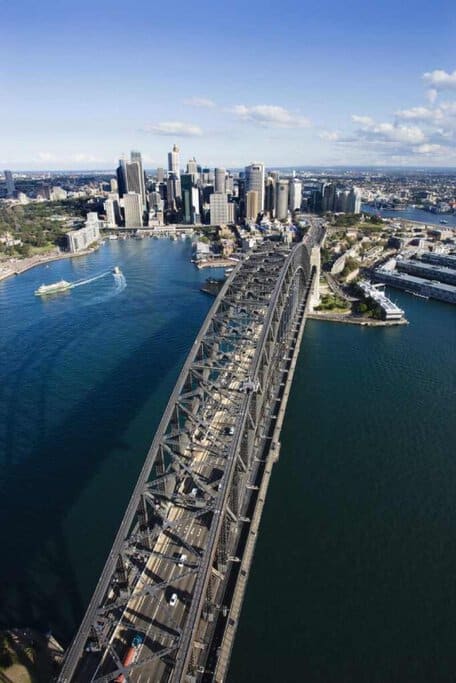
Like other major cities, Sydney deals with heavy traffic and congestion becomes part of most days.
Roads fill quickly during the morning and afternoon peaks, turning short trips into drives that feel much longer than they should.
These delays stretch beyond lost minutes on the road. They add stress, cut into productivity, and influence how people plan their routines.
Even with a strong public transport network, the sheer number of commuters means trains and buses often run at full capacity during peak times, making it difficult to find a seat or even a comfortable place to stand.
Crowding can cause delays and unpredictable schedules, which adds to the frustration.
Many people choose public transport to avoid the stress of driving and parking, and city planning continues to encourage walking and cycling to ease the pressure on the roads.
Even with these efforts, congestion remains one of Sydney’s biggest challenges and it’s an area that needs steady investment and long-term planning to make daily travel smoother.
10. Competitive Job Market
Sydney’s strong economy creates plenty of career opportunities, but it also leads to a job market that feels competitive from the start.
New arrivals and recent graduates often face a tough path as they try to find roles that match their skills and long-term goals.
The city attracts talent from across Australia and around the world, which lifts the overall standard of the workforce.
This means candidates need more than experience or qualifications. Adaptability, specialised skills, and sometimes local certifications help people stand out.
Industries like finance, tech, and media are especially competitive. These sectors offer strong salaries and benefits, which draws in top talent and makes it harder for newcomers to secure a spot.
Recent graduates can find it challenging as they often compete with experienced professionals for the same roles.
Networking plays a major role in Sydney’s job market.
Many openings never appear on job boards and are instead filled through connections and word-of-mouth.
This can put newcomers at a disadvantage until they build local contacts, making industry events, seminars, and meet-ups important for getting started.
The competitive nature of Sydney’s job scene encourages ongoing learning and skill building.
For those willing to put in the effort, the rewards can be significant and the career growth potential strong.
11. Limited Affordable Housing

Sydney’s housing market is one of the toughest to break into, with demand and rising prices shaping where people can realistically live.
Central and coastal suburbs sit at the highest end of the market, which leaves affordable options scarce and often difficult to secure.
Lower and middle-income earners feel the pressure most.
Many look toward outer suburbs or nearby regional areas where prices are more manageable, though this usually comes with trade-offs.
Longer commutes, fewer local services, and reduced access to city-based amenities often shift into daily routine.
Living farther out also means missing the convenience of being close to cultural venues, entertainment, and the social buzz that central Sydney is known for.
The lack of affordable housing affects the city’s diversity too, making it harder for key workers, young professionals, and new families to stay near their workplaces.
Speculative investment and short-term rentals add extra strain by reducing long-term rental supply and pushing prices higher.
Solving this challenge calls for new ideas and cooperation between government and developers, including more public housing, incentives for affordable builds, and stronger measures to slow rapid rent increases.
These steps help keep Sydney liveable and accessible, supporting the mix of people who shape the city’s identity and energy.
12. Environmental Concerns
Sydney faces a mix of environmental challenges that come with being a large coastal city.
Air pollution sits high on the list, driven by heavy traffic and a growing population.
Smog and bushfire smoke have become more common in recent years and can affect people with respiratory issues or anyone spending long hours outdoors.
Climate change adds another layer of pressure.
Sydney’s coastal location makes it vulnerable to rising sea levels, which can lead to flooding and erosion in low-lying areas.
Heatwaves and intense storms are also becoming more frequent, interrupting daily life and putting strain on infrastructure and emergency services.
Built-up areas across the city experience the urban heat island effect, where temperatures rise higher than surrounding regions.
This increases the need for cooling, which raises energy use and contributes to the city’s carbon footprint.
Tackling these issues is important for Sydney’s long-term sustainability.
Expanding green spaces and planting more trees helps cool neighbourhoods and improve air quality.
Investment in flood protection and better coastal planning supports at-risk areas, while emission reduction policies aim to cut pollution from vehicles and industry.
Community awareness plays a key role too. When residents and businesses take part in everyday sustainability practices, it strengthens the city’s push toward a healthier and more resilient future.
13. Social Isolation
Sydney’s fast-paced lifestyle offers a lot, yet it can still leave people feeling isolated.
Newcomers often feel this most as the size of the city, constant movement, and busy routines make it hard to form deeper connections.
Many residents focus on work and personal goals, which leaves limited time for building new friendships.
Cultural differences can add small barriers too, even in a city known for its diversity, and this can deepen the feeling of disconnection.
Long-term residents experience it as well.
Neighbourhoods shift with new developments and changing demographics, and rising living costs make it harder for some to take part in social activities or enjoy downtime.
Finding a way through often starts with community.
Local events, neighbourhood groups, and social clubs give people a chance to meet others with similar interests.
Technology helps by making it easier to discover nearby groups and activities.
Staying connected in Sydney takes effort, but leaning into community spaces and local networks builds a stronger sense of belonging in a large and constantly changing city.
14. Pressure on Public Services
Sydney’s growing population places steady pressure on public services and this shapes daily life across the city.
Education, healthcare, and transport feel it most, affecting how smoothly things run for residents.
Public schools face rising enrolments and overcrowded classrooms.
Larger class sizes and limited resources make individual attention harder to provide, and strong competition for places in top-performing schools adds extra stress for families.
Healthcare is under similar strain. More people mean longer waits for both general and specialist care.
Global health challenges add to the load, leaving medical staff stretched and resources pushed close to their limits.
Transport feels the pressure too. The network is wide and generally dependable, yet peak hours often see buses, trains, and ferries filled to capacity.
Ongoing maintenance and upgrades are necessary, though they can bring delays and disruptions.
These pressures affect everyday comfort and shape Sydney’s long-term liveability.
Supporting a growing city calls for smart planning and major investment.
More schools, expanded healthcare services, and upgraded transport networks are key steps in easing demand and keeping Sydney moving forward.
FAQs: Pros and Cons of Living in Sydney
What Salary Is Needed To Live Comfortably In Sydney?
To live comfortably in Sydney, a salary of around AUD 85,000 to AUD 120,000 per year is generally recommended.
This range helps cover the high housing costs, transportation, dining, and other daily expenses, ensuring a standard of living that allows for both necessities and leisure activities.
What Problems Does Sydney Face?
Sydney grapples with several challenges, including high living costs, traffic congestion, environmental concerns, and pressures on public services.
These issues impact the quality of life, making housing affordability, commuting, and accessing quality education and healthcare difficult for residents.
Additionally, the city faces environmental risks like air pollution and the effects of climate change.
Why Do People Prefer Sydney?
People prefer Sydney for its vibrant city life, diverse culture, and abundant career opportunities.
The city offers beautiful beaches, an active outdoor lifestyle, and a high standard of education and healthcare.
Its multicultural society enriches daily life, allowing residents to enjoy a global culinary scene and varied cultural experiences, making Sydney a highly attractive place to live.
What Is The Lifestyle Like In Sydney?
Sydney’s lifestyle is dynamic and diverse, characterized by a fast-paced city life combined with abundant outdoor activities.
Residents can enjoy a variety of cultural festivals, sports, arts, world-class beaches, and parks for relaxation and recreation.
The city’s multicultural environment enriches its culinary and social scene, catering to various preferences and lifestyles, making Sydney vibrant and constantly engaging.
Is Sydney A Clean City?
Sydney is generally considered a clean city, especially compared to other major global cities.
Regular maintenance and cleanliness initiatives help keep public spaces, streets, and parks tidy.
However, like any large city, there are variations in cleanliness across different areas, and challenges such as litter and pollution exist, particularly in busier districts.
Conclusion: Living in Sydney Pros and Cons
In exploring the pros and cons of living in Sydney, we see that while the city presents challenges like high living costs and traffic congestion, it also offers tremendous benefits, such as a dynamic lifestyle, diverse cultural experiences, and abundant career opportunities.
Sydney’s allure continues to draw people who seek a vibrant urban life balanced with beautiful natural surroundings.
If you’re considering a move or just curious about more specific aspects of Sydney, such as the best neighbourhoods or tips for settling in, check out my other post about Sydney.
It has detailed insights and practical advice to help you navigate life in this bustling city.
