
What Coober Pedy Looks Like Once You Actually Stop

Australia Travel Hub contains affiliate links and is a member of the Amazon Services LLC Associates Program. If you make a purchase using one of these Amazon links, we may receive compensation at no extra cost to you. See our Disclosure Policy for more information.
Coober Pedy sits about 846 kilometres north of Adelaide on the Stuart Highway, and it’s unlike anywhere else in South Australia.
Most people passing through on their way to Uluru give it an hour, snap a photo of a dugout, and drive off.
That’s a mistake, because there are things to do in Coober Pedy that easily fill two full days, and most of the best ones cost nothing at all.
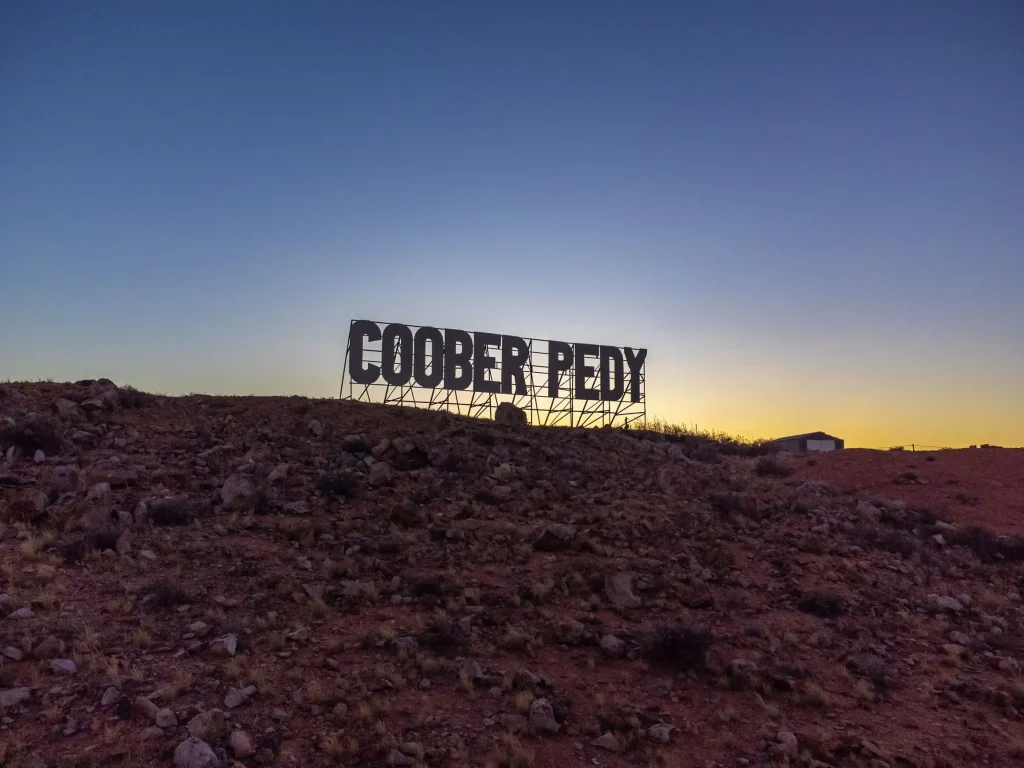
Driving from Adelaide takes about 9 hours, and it’s a straight run once you’re past Port Augusta. If you’re planning the wider trip, my guide to Australia’s best road trips covers the full Stuart Highway route north.
From Alice Springs, the drive is closer to 7 hours.
Regional Express (REX) flies into Coober Pedy Airport from Adelaide in about 2 hours, which is worth it if you’re short on time.
Greyhound buses also stop here on the Adelaide-Alice Springs run, though timetables are limited to a couple of services a week, so check current departures before you plan around one.
Fuel up before you leave Port Augusta or Glendambo. Distances between stops on this stretch are long, and phone coverage drops out for hours at a time — my SIM card guide has more on which providers actually hold signal out here, though Telstra is consistently the one travellers report still working once you’re well outside town.
Best Underground Attractions in Coober Pedy
The whole reason Coober Pedy exists underground is the heat. More than half the town lives in dugout homes carved into the hillsides, and once you’ve felt a Coober Pedy summer, you’ll understand why.
Umoona Opal Mine and Museum
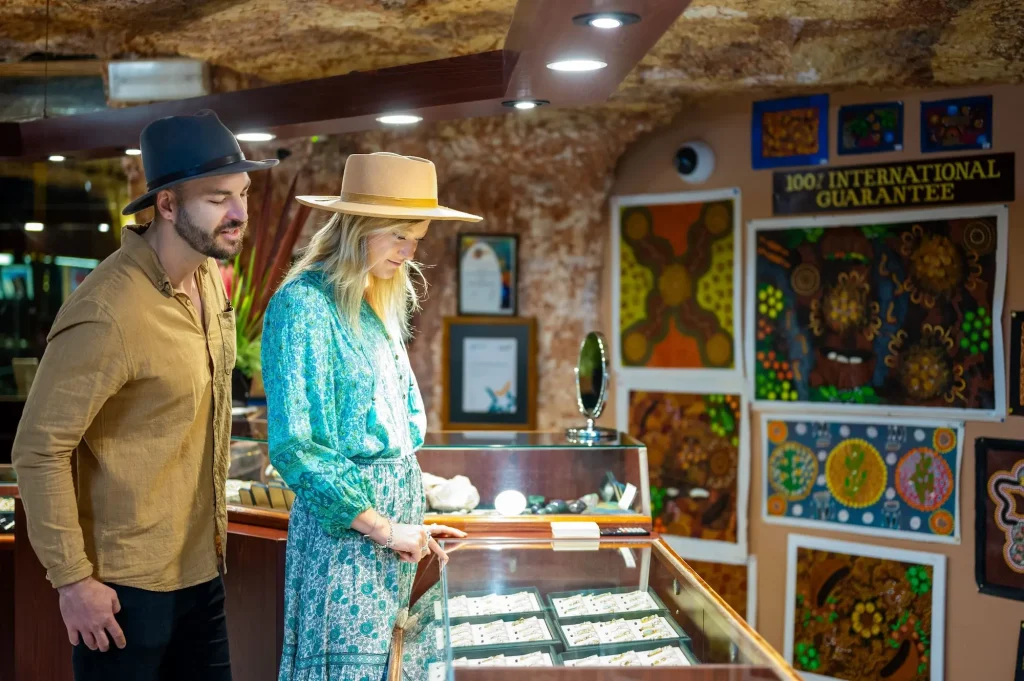
This is the most complete underground experience in town, and I’d start here before anywhere else. Umoona has been running since the 1920s and combines a real mine tour with a free museum you can wander before or after.
Guided tours run three times a day, at 10 am, 2 pm and 4 pm, and take about 45 minutes. Entry sits in the budget-to-mid-range bracket for a family, with current pricing on the Umoona Opal Mine website.
Old Timers Mine
Old Timers is one of the original opal mines in town, dug in 1916, not long after opal was first found here. It’s set up for self-guided exploring, so you can move at your own pace through the tunnels and two furnished underground homes.
It’s open daily from 8.30 am to 5.30 pm, closed only on Christmas Day, Boxing Day and New Year’s Day.
Tom’s Opal Mine
Tom’s is a family-run mine just out of town on the Stuart Highway, and it’s one of the better spots for actually trying your hand at opal mining rather than just looking at it.
Guided and self-guided tours both run, and noodling — sifting through mullock heaps for leftover opal chips — is part of the experience.
Tom’s runs seasonally, roughly April through October, so check availability before you go if you’re visiting outside those months.
Faye’s Underground Home
Faye and her friends mined this home themselves between 1962 and 1972, and it’s stayed largely as it was, complete with a small indoor pool carved into the rock. Tours give a genuine sense of what dugout living actually involves, beyond the novelty of it.
Book ahead rather than just turning up, especially outside peak season. Past visitors say the odd tour has been missed by people who rocked up unannounced and couldn’t reach anyone on the day, so a quick call or booking through the Faye’s Underground Home listing saves the hassle.
Crocodile Harry’s Underground Nest
This one splits opinion, and I want to be upfront about that. Crocodile Harry was a real crocodile hunter turned opal miner whose dugout is now open as a self-guided, honesty-box museum, plastered floor-to-ceiling with graffiti, sculptures, and other people’s underwear left behind as a running joke.
It’s a genuine Mad Max: Beyond Thunderdome filming location, and it helps to look up Harry’s backstory before you go, since the place makes a lot more sense once you know who he was.
Some recent visitors have found it a bit rough around the edges and worn down, so go with low expectations rather than treating it as a polished attraction.
Free Things to Do in Coober Pedy
You don’t need to spend anything to get a proper feel for this place.
Noodling for opal. The Jeweller’s Shop has a dedicated, safe noodling area in town where you can search for opal chips at no cost. It’s a good activity for kids and adults alike, and you occasionally find something worth keeping.
Bring a UV torch and try it again after dark. Night noodling under blacklight is a genuine local tip, since opal shows up far more easily under UV light, and it’s just as free.
The underground churches. Coober Pedy has three that are open to visitors.
The Serbian Orthodox Church, built in the 1990s, has genuinely striking stained glass and carved detail for a building cut into rock — switch on every light as you go through, including the ones at the bottom, since the church is easy to underrate if you only see it half-lit, and a small cash donation is appreciated on the way out.
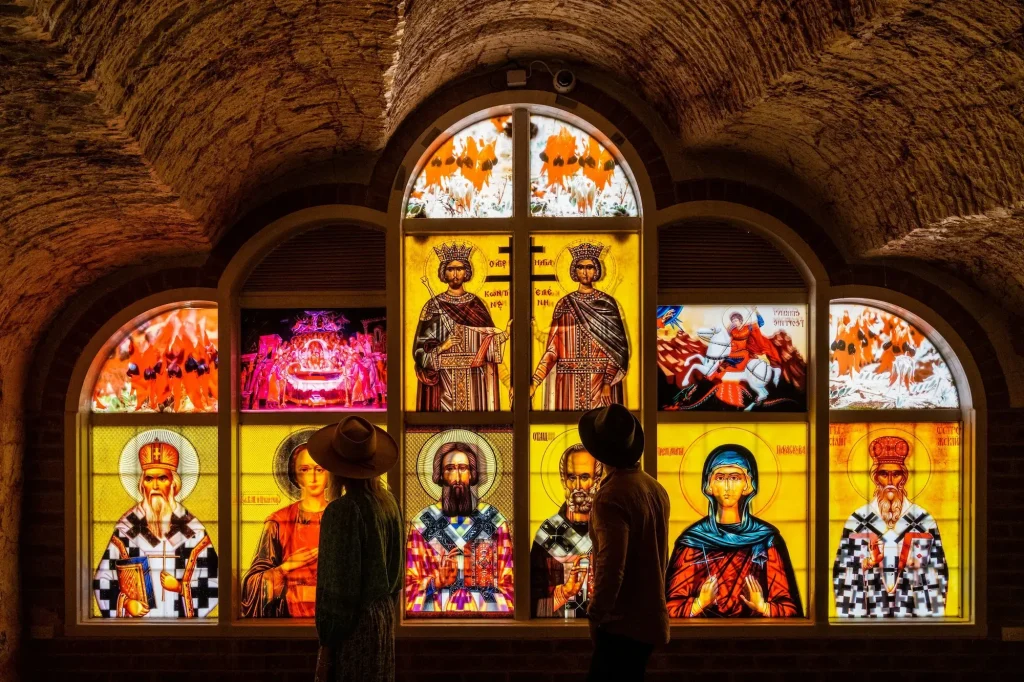
The Catacomb Church, hand-dug by miners in the 1970s, is smaller and rougher in a way that feels more honest to the town’s history, and it’s open 24 hours. St Peter and St Paul Catholic Church, opened in the 1960s, is laid out in the shape of a cross.
Kanku-Breakaways Conservation Park. This sits about 25 kilometres north of town via the Stuart Highway or Kempe Road, and it’s where Coober Pedy’s desert scenery really shows off — layered orange and white hills, wide horizons, and a good chance of spotting red kangaroos or echidnas.
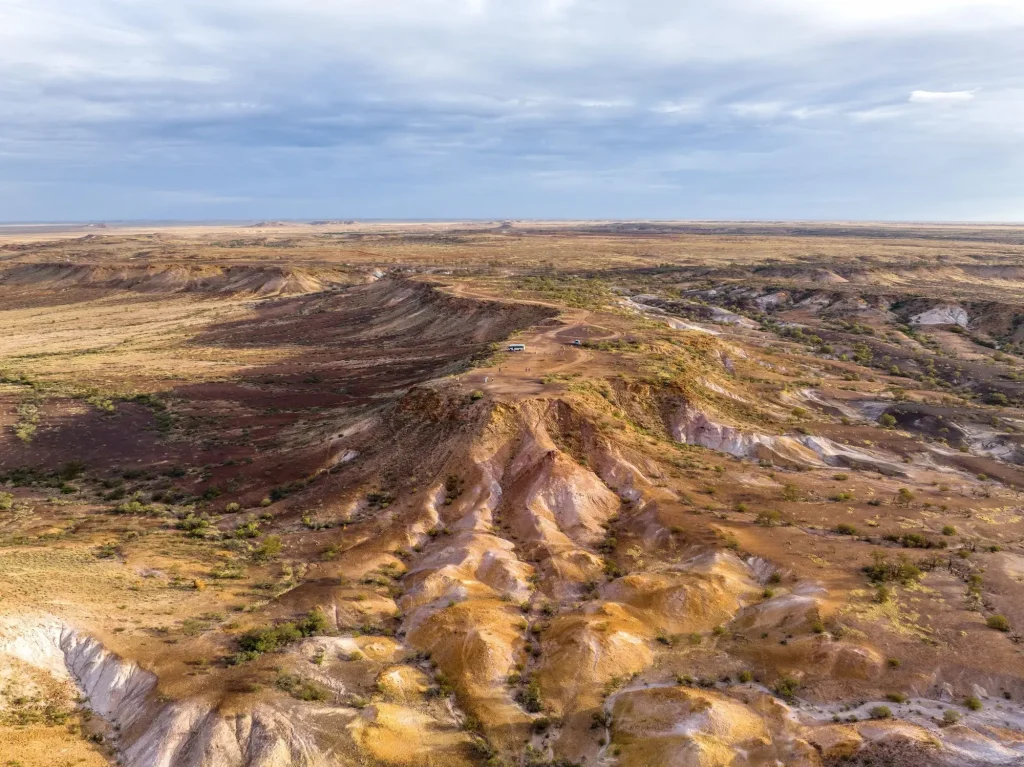
Entry fees apply for non-residents, and full details are on the National Parks and Wildlife Service SA site. Give yourself at least an hour here, more if you want to bushwalk properly.
The Big Winch. A short, free lookout with sweeping views over the opal fields and a bit of mining history attached. Good for sunset.
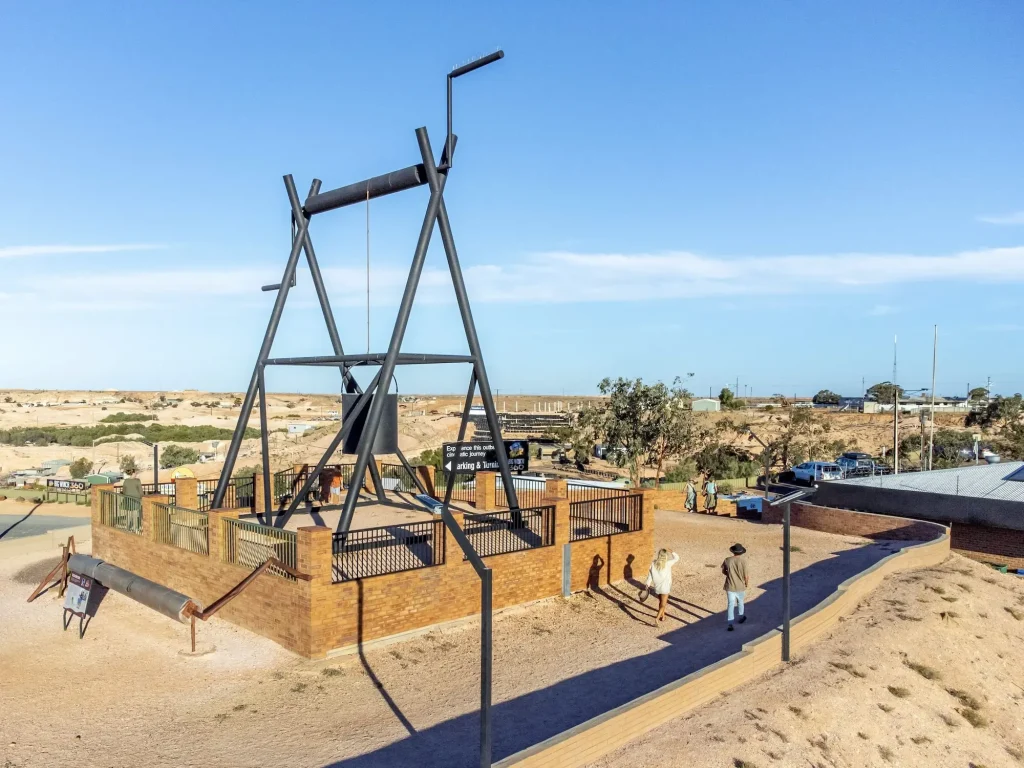
Watching the sunset from the Breakaways or the Dingo Fence. Both are within easy reach of the conservation park and worth timing your visit around.
Boot Hill Cemetery. A small, genuinely fascinating cemetery just out of town, worth ten quiet minutes for the headstones alone.
Between the multicultural mix of names and some properly eccentric grave markers, it says more about the town’s character than most of the paid attractions do.
The Pitch Black spaceship. A crashed alien spaceship prop, left behind after the film Pitch Black was shot around town, still sits on the main street outside an opal shop.
It’s a free, five-minute photo stop rather than a destination in itself, but it’s an easy add-on if you’re already walking Hutchison Street.
Coober Pedy Opal Mines and Golf Club (Yes, Really)
Coober Pedy calls itself the Opal Capital of the World, and it’s earned the title — most of the world’s opal supply comes from here.
If you want to buy rather than noodle for your own, it’s worth popping into a few shops before you commit, since quality and prices vary more than you’d expect.
Opalios on Hutchison Street is a family business that’s been mining and cutting its own opal since the 1970s, and it’s the one that comes up again and again as a trustworthy place to buy from.
Beyond the mine tours already mentioned, it’s worth knowing the golf club has its own strange claim to fame.
Coober Pedy Opal Fields Golf Club has no grass on any of its 18 holes. The greens are actually called “scrapes,” made from local sand mixed with oil, and there’s a sign at the club that instructs golfers to keep off the grass — which, given there isn’t any, is the club’s running joke.
More surprisingly, it’s the only golf club in the world with reciprocal playing rights at St Andrews in Scotland.
The arrangement lets Opal Fields members play two rounds a day on St Andrews’ Balgove course each January, which is Scotland’s winter, so almost nobody actually takes it up.
It’s a strange, brilliant bit of local trivia even if you never pick up a club, and more than one visitor has walked off the course with a stray opal picked up between holes.
Coober Pedy for Families, Couples and Solo Travellers
Coober Pedy works well for most types of trips, but the emphasis shifts depending on who’s travelling.
Families get the most out of Josephine’s Gallery and Kangaroo Orphanage, where kids can see rescued and orphaned kangaroos up close alongside a genuine Aboriginal art gallery.
It’s open 9.30 am to 5 pm daily, with feeding times at 12 pm and 5.30 pm, and it’s worth calling ahead to confirm rather than relying on mobile coverage once you’re on the road. Umoona’s mine tours and the free noodling area are also easy wins with children.
Couples tend to enjoy the underground churches and a night at the Coober Pedy Drive-In, which reopened in March 2025 and runs Saturday evenings, with the odd extra session around events like the Coober Pedy Opal Festival.
It’s the only operating drive-in left in South Australia, and watching a film under an outback sky is a genuinely different date night.
Solo travellers find Coober Pedy easy to navigate on foot within town, with the mine tours and museums all clustered close together.
The Mail Run Tour is a good option if you want a full-day outing with a group without needing your own vehicle.
The Mail Run Tour
This is one of the most distinctive tours in outback Australia. An Australia Post contractor drives the mail run from Coober Pedy to William Creek and on to Oodnadatta along the Oodnadatta Track, delivering to remote stations including Anna Creek, the world’s largest cattle station.
It runs twice a week, usually Monday and Thursday, on unsealed roads, with pickup around 8.30 am for a departure just before 9 am and a return to town by early evening — around 12 hours all up.
Check the Mail Run Tour website for current departure days, since schedules can shift around public holidays.
Scenic Flights and Day Trips Beyond Coober Pedy
If you’ve got a spare day and want to see the outback from above, Wrightsair runs scenic flights out of Coober Pedy over Kati Thanda-Lake Eyre and the Painted Hills, with a stop at the William Creek pub on some routes.
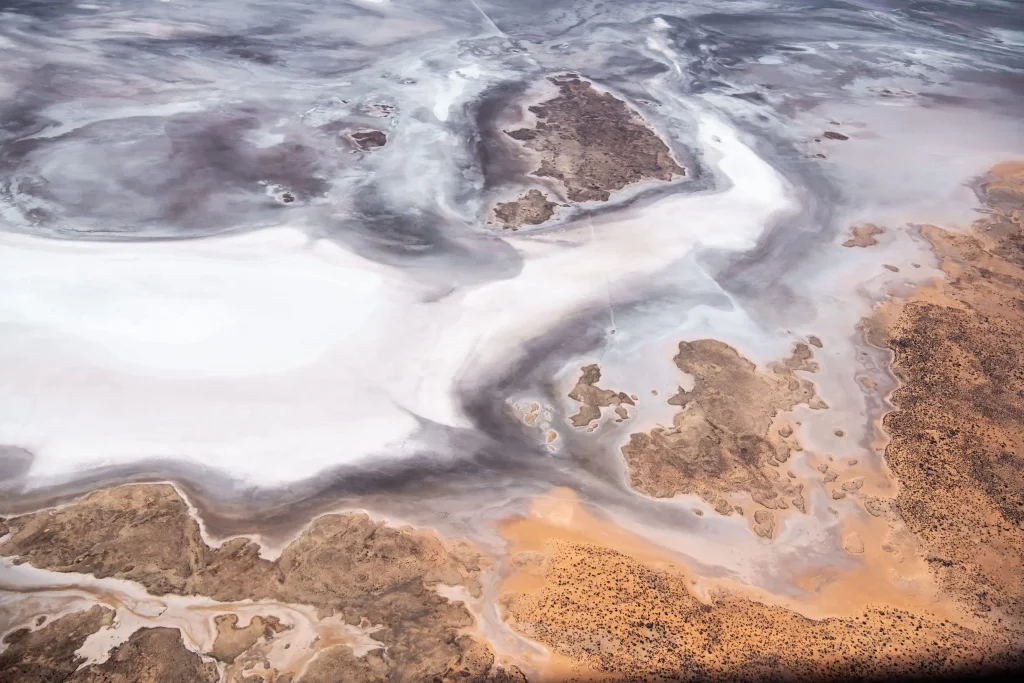
It’s not a cheap add-on, but it’s the easiest way to see Lake Eyre without a multi-day 4WD trip.
For a road-based day trip, the drive out to the Painted Desert at Arckaringa Station takes around two and a half hours each way, past layered, multicoloured hills that feel like a smaller, quieter version of the Breakaways.
The road turns rough and rocky past the turn-off, so take it slowly if you’re in a 2WD, and there’s basic camping at the station if you want to stay out there rather than drive back the same day.
Best Time to Visit Coober Pedy
April through October is the window to aim for. Daytime temperatures sit between 18°C and 25°C through the cooler months, which makes both the above-ground attractions and the underground tours far more comfortable.
Avoid December through February if you can. Daytime temperatures regularly climb past 40°C, and the heat is genuinely dangerous if you’re not prepared for it — this is also exactly why the underground homes exist in the first place.
Coober Pedy gets almost no rain year-round, so weather rarely disrupts plans once you’re here. It’s more a question of managing heat than dodging showers.
How Many Days Do You Need in Coober Pedy
Two full days is the sweet spot. That’s enough time for at least one proper mine tour, the Breakaways, the underground churches, some noodling, and a relaxed dinner without rushing.
One day works if you’re just passing through on the Stuart Highway and want a solid taste of the town — prioritise Umoona, the Breakaways, and one underground church.
If you can stretch to three days, add the Mail Run Tour. It eats a full day, but it’s one of the more memorable things you can do in outback South Australia.
Where to Eat in Coober Pedy
John’s Pizza Bar on Hutchison Street is the one locals and visitors both mention first, and it regularly gets ranked among the best pizza restaurants in the country.
It’s not fancy, but the pizzas are generous, and it’s a genuinely popular spot, so expect a wait on busier nights.
The Outback Bar & Grill at the Shell complex on Hutchison Street covers breakfast through to dinner and is a solid, reliable choice if pizza isn’t what you’re after.
The Big Winch restaurant is worth timing around sunset, since the food is good and the view over the opal fields makes it one of the better dinner spots in town.
For something cheaper, the IGA supermarket on Hutchison Street has a surprisingly good range for a town this size, a reflection of just how multicultural Coober Pedy’s population is, and the local bakery is worth a stop for fresh bread and pastries.
If you’re around on a Friday night, ask at the visitor centre whether the Greek Club or Italian Club is running its community dinner, since both are a genuinely local way to end the day when they’re on.
Where to Stay in Coober Pedy
Underground accommodation is the obvious drawcard, and most visitors want at least one night in a dugout room.
Budget options include the Underground Motel and Radeka Downunder, both offering genuine cave-style rooms without the higher price tag of the bigger hotels.
If you’ve got a tent or a swag, Riba’s Underground Camping is the more unusual option, letting you pitch inside a former mine with a free evening mine tour thrown in.
Mid-range is well covered by the Comfort Inn Coober Pedy Experience and the Oasis Tourist Park, which also suits families wanting a pool and more space.
One of the pricier options in town is the Desert Cave Hotel, which pairs proper underground rooms with an on-site restaurant, bar and pool, and tends to book out in the cooler months.
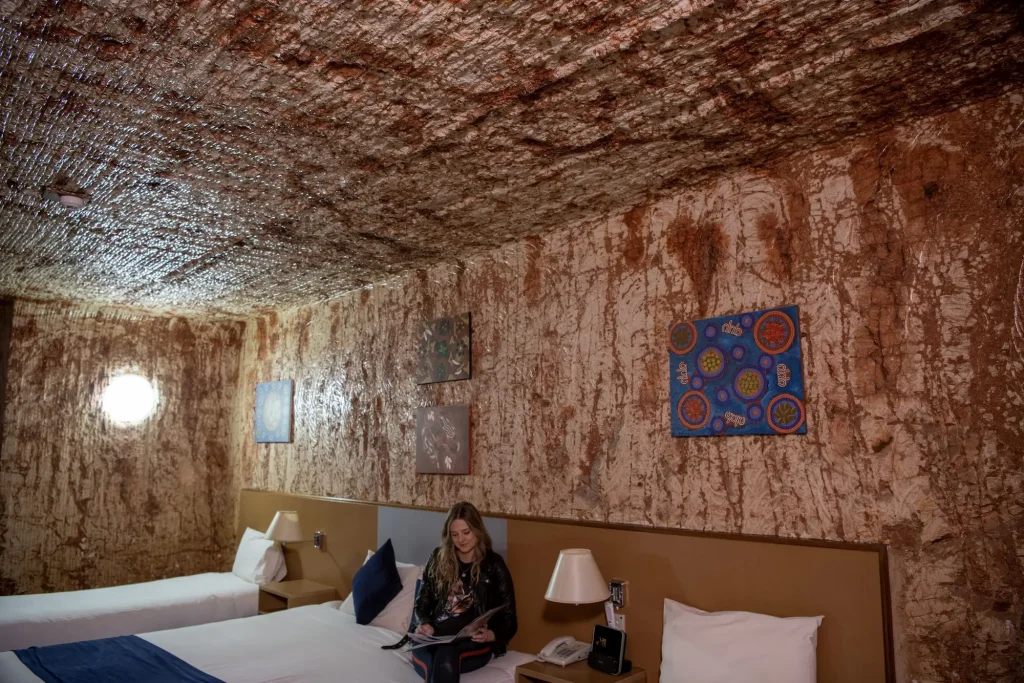
Check rates directly with each property, since outback accommodation pricing shifts with season and demand more than most places.
Parking is straightforward everywhere in town — nothing here requires the parking planning a capital city might.
Know Before You Go
✔️ Book ahead in the cooler months. April to October is peak season here precisely because the weather is manageable, and accommodation fills up faster than the town’s size suggests.
✔️ Don’t underestimate the distances. Coober Pedy is remote, and the nearest major town in any direction is hours away. Fill up on fuel and carry water whenever you’re driving out to the Breakaways or beyond.
✔️ Phone signal is patchy outside town. Download offline maps before you head to Kanku-Breakaways or further along the Oodnadatta Track.
✔️ Some mine tours require solid shoes and a moderate fitness level. The tunnels aren’t difficult, but they do involve some ducking and uneven ground, so leave the sandals at the hotel.
✔️ Respect the noodling areas. Only fossick in designated spots like the Jeweller’s Shop area. Digging on active mining leases or private land isn’t allowed and isn’t safe.
✔️ Don’t plan your trip around a public holiday. A fair few shops, cafes and attractions close over Christmas and New Year, and some wind back their hours on other public holidays too, so it’s worth checking ahead if your visit lines up with one.
✔️ The town shuts down early. Most restaurants, shops and attractions close by around 7 pm, even in peak season, so plan dinner and any last noodling before then rather than after.
✔️ Pack a fly net for your hat. It sounds excessive until you’re standing outside in the middle of the day. The flies are relentless, and a cheap net makes a genuine difference.
Coober Pedy is genuinely one of the more unusual stops in South Australia, and it rewards the travellers who give it more than a lunch break.
If you’re building it into a longer loop, my outback experiences guide has more ideas for the stretch between here and the Red Centre.
