
The Ultimate Guide to Planning Your First Trip to Australia

Australia Travel Hub contains affiliate links and is a member of the Amazon Services LLC Associates Program. If you make a purchase using one of these Amazon links, we may receive compensation at no extra cost to you. See our Disclosure Policy for more information.
Planning your first trip to Australia comes with plenty of questions—how long should you stay, which cities are worth visiting, and what’s the best way to get around?
With so much ground to cover and a mix of climates, cultures, and experiences, it’s easy to feel unsure about where to start.
If you’re wondering how to plan a trip to Australia, this post helps eliminate the guesswork from the process.
It guides you through key decisions, such as selecting the right season, creating a straightforward itinerary, and understanding travel logistics.
Whether it’s your first time overseas or your first time in Australia, this guide offers practical tips to make your trip stress-free and memorable.
Travelling To Australia For The First Time
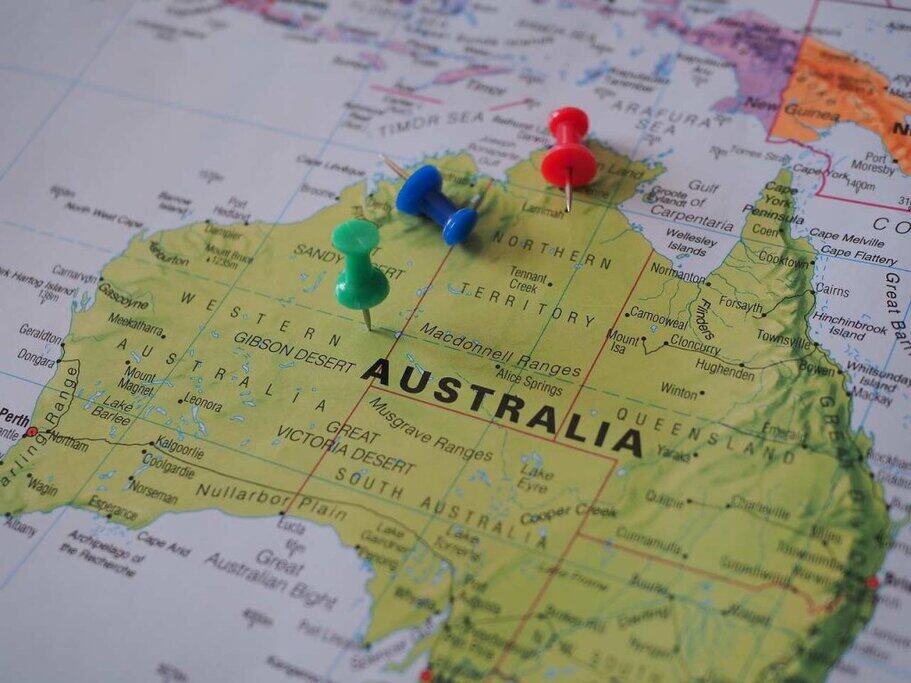
Australia’s massive, so don’t try to see everything in one go. Focus on one region, like the East Coast, or pair a significant city with a few nearby day trips.
Two to three weeks is a solid amount of time for a first visit. Know what you’re after—beaches, wildlife, cities or outback.
Travel distances are long, so flying saves time, but road trips work well for coastal spots.
Seasons vary by region. Summer (Dec–Feb) is hot, especially up north. Spring and autumn offer better weather across the board.
Australia isn’t cheap. Save with public transport, budget stays, and free outdoor experiences.
Book flights and accommodation early if travelling during holidays.
Most visitors require a visa; apply for an eVisitor or ETA online before arrival.
Planning keeps things simple, so you can focus on enjoying the trip.
Visa & Entry Requirements
A visa is a must before arriving in Australia—unless you’re from New Zealand.
Most travellers from the UK, USA, and EU can apply online for an Electronic Travel Authority (ETA 601) or eVisitor (651). These are quick to sort out and let you stay for up to 3–6 months at a time.
If you’re not eligible, there’s the Visitor Visa (subclass 600), which is suitable for most other passport holders.
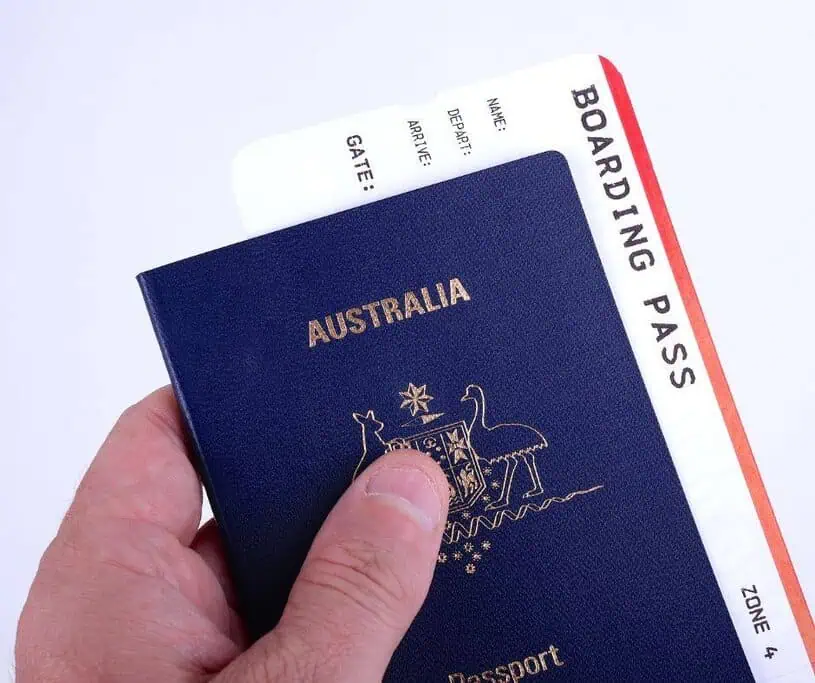
Apply online through the official Australian government website, or use a trusted travel agent.
Ensure your passport is valid upon arrival. Overstaying a visa is taken seriously—penalties can include detention or even deportation.
You’ll need to show proof of an onward ticket and sufficient funds to support yourself during your stay.
Travel insurance isn’t required but is strongly recommended. Medical care can be expensive, and evacuation from remote areas is also a costly endeavour. It’s better to have cover and not need it than to need it and not have it.
Best Time to Visit (Climate & Events)
Australia’s climate varies significantly depending on the location.
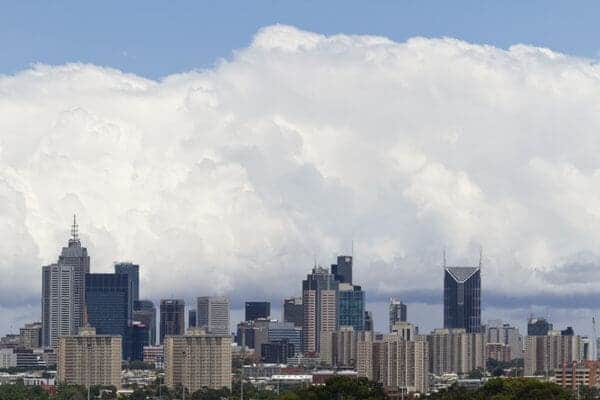
Up north—think Queensland and the Northern Territory—it’s tropical. The dry season, from May to October, is characterised by warm and sunny conditions, while the wet season, from November to April, is marked by hot, humid, and rainy weather.
Down south—in places like Sydney, Melbourne, Tasmania, and Perth—you’ll get four seasons. Spring (March to May) and autumn (September to November) are usually the best times for travelling across the country.
The weather’s mild, there are fewer crowds, and flights can be cheaper.
Timing your visit around the seasons can be helpful.
The Great Barrier Reef and northern Australia shine in the dry season, while southern cities are all about beach days in summer and cool, crisp air in winter.
There’s always something going on.
Summer brings Sydney’s New Year’s Eve fireworks and Australia Day (January 26).
January also means the Australian Open in Melbourne.
Mardi Gras lights up Sydney in late summer, while winter is perfect for whale watching and events like Vivid Sydney (May to June).
Spring and autumn are packed with sport—AFL Grand Final in September and the Melbourne Cup Horse Race in November—and outdoor festivals.
School holidays can drive up prices and crowd levels, especially mid-December to late January and early July.
It’s worth checking local event calendars when booking, whether you want to catch a major celebration or avoid peak travel times.
Getting Around Australia
Australia’s massive, and travelling between places isn’t always quick or straightforward.
Planning how you’ll get around is just as important as choosing where to go.
Distances can be huge, so knowing your options helps save time, money, and energy.
Here’s a clear breakdown of how most travellers explore the country.
✈️ By Air
Flying is the fastest way to travel long distances, with domestic airlines such as Qantas, Virgin, Jetstar, and Rex connecting major cities, including Sydney, Melbourne, Brisbane, Cairns, Perth, and Adelaide. Booking early usually means cheaper fares.
🚘 By Road
Australia’s roads are in excellent condition, and autonomous driving is gaining popularity.
You can hire a car, 4WD, or campervan from most airports and city centres. Driving is on the left, and an International Driving Permit can help.
Petrol stations (servo) are easy to find, and longer trips often need overnight stops. Many hire companies also offer GPS and camping gear.
🚌 Public Transport (In Cities)
Cities like Melbourne, Sydney, Perth, and Brisbane have reliable public transport systems—Melbourne has trams, while the others use trains and buses.
Each city uses a smartcard: Opal (Sydney), Myki (Melbourne), and Go Card (Brisbane).
Transport is safe and straightforward, and hop-on-hop-off tourist buses are also an option. Greyhound coaches provide budget travel between towns and cities.
🚋 Trains & Ferries
Australia’s long-distance trains, such as The Ghan (Adelaide to Darwin) and the Indian Pacific (Sydney to Perth), offer stunning views, but trips can take days.
Ferries are more common for short routes, including Sydney Harbour, Kangaroo Island, Rottnest Island, and the car ferry between Melbourne and Tasmania (Spirit of Tasmania).
🚶♀️On Foot
Cities are easily explored on foot, with paths, parks, and beaches all accessible without the need for a car.
Coastal trails and nature walks are everywhere, from short city strolls to multi-day hikes like the Overland Track or Larapinta Trail. Always carry sun protection and water, especially outside urban areas.
Accommodation Options
Choosing the right place to stay can make a big difference on your first trip to Australia.
There’s a broad mix of options—from city hotels and beach motels to farmstays and national park campgrounds.
You’ll find something for every budget, whether you’re looking for comfort, convenience, or a bit of adventure.
Booking ahead online is easy, and for peak times like school holidays or significant events, it’s a good idea to make a booking early.
Accommodation styles vary by region, so it’s worth mixing it up depending on where you’re headed.
🛌 Hotels
Cities are packed with hotel options—from five-star luxury to budget-friendly three-star stays. You’ll find global names like Marriott and Hyatt alongside stylish local chains, such as QT and Art Series.
Most hotels offer amenities such as air conditioning, complimentary Wi-Fi, pools, and in-house dining options.
🛌 Motels
Motels are ideal for road trips and visits to regional towns. They’re usually reliable but straightforward—think private bathrooms, comfy beds, and maybe a light breakfast. You’ll find them near highways and town centres.
🛌 Hostels & Backpackers
Modern hostels are everywhere, offering a mix of shared dorms and private rooms. Many now include en-suites and family-friendly spaces.
Great for solo travellers or groups, they’re social, affordable, and often right in the middle of town. YHA (Youth Hostels Australia) has branches all over the country.
🛌 Serviced Apartments & Holiday Rentals
If you’re staying a bit longer or travelling with family, serviced apartments or rentals from sites like Airbnb or Stayz offer a home-style setup.
With kitchens and living spaces, they’re great for cooking your meals and stretching the travel budget.
🛌 Bed & Breakfasts
B&Bs are typically located in historic homes or rural towns. They’re cosy, personal, and often run by locals keen to share tips over breakfast. Perfect for a slower-paced, more personal stay.
🛌 Farmstays
In regional and outback areas, farmstays offer a hands-on experience. You’ll stay on working farms—sometimes in rustic cabins, sometimes in boutique lodges—and get an authentic taste of country life.
🛌 Camping & Caravan Parks
Australia’s campgrounds are top-notch. National parks often offer budget-friendly campsites (ranging from $10 to $30 per night), while larger holiday parks, such as BIG4 and Discovery Parks, feature powered sites, showers, and even swimming pools.
If you’re after something different, glamping options—such as bubble tents in New South Wales—add a touch of luxury to the experience of sleeping under the stars.
You can also rent a campervan to explore at your own pace. I recommend hiring from Jucy for budget-friendly vans, or if you prefer a larger motorhome with more space, consider Star RV for premium models.
Travel Insurance
Travel insurance isn’t just a good idea for Australia—it’s essential.

Healthcare in this area can be expensive for visitors, and you’ll be expected to pay out of pocket if you don’t have coverage.
A comprehensive policy should include coverage for medical emergencies, hospital care, evacuation, trip cancellations, and lost luggage.
If you’re planning anything adventurous—like diving, hiking, or remote outback travel—make sure those activities are included.
Evacuation from remote areas can be costly, so be sure to double-check that your policy covers this expense.
I recommend Cover-More travel insurance—they’re well-known in Australia, offer a range of plans, and include optional extras for adventure activities and cruising.
Most government travel sites strongly recommend buying insurance before you leave home.
Keep both a digital and a printed copy of your policy, as well as the emergency numbers, handy.
It’s one of those things you hope you won’t need, but you’ll be glad you have it if you do.
Culture & Etiquette
Australians are known for being easygoing, friendly, and direct.
People tend to speak casually, use first names, and value honesty over formality.
A simple “hello” or handshake is all you need when meeting someone—there’s no need to force Aussie slang like “g’day” or “mate,” unless it comes naturally.

Tipping isn’t expected in Australia. There’s no service charge at restaurants, and tipping around 10% is only standard for exceptional service.
Bargaining isn’t part of the culture either—what you see is what you pay. Basic manners go a long way.
Always queue, stay to the left when walking or using escalators, and give people their space—about an arm’s length is the norm.
Saying please, thank you, and holding the door for someone is just as important here as anywhere else.
Respecting local customs matters. Climbing Uluru is banned, and for good reason—it’s a sacred site to the Anangu people.
In Aboriginal communities or cultural centres, always ask before taking photos.
Australians also take environmental care seriously, so please refrain from littering, feeding wildlife, or venturing off marked trails.
If you’re driving, please keep left and follow the rules. Speeding and drink-driving are heavily penalised.
In remote areas, plan by carrying water, checking your route, and letting someone know your destination. Safety and respect go hand in hand with a good trip.
Safety & Health
Australia is one of the safest countries to visit, with low rates of violent crime and excellent healthcare.
That said, it’s still essential to remain vigilant, just as you would in any large city.
Keep a close eye on your valuables in busy areas, such as train stations or markets, and never leave drinks unattended in bars or clubs.
For emergencies, dial 000 for police, fire, or ambulance. Health services are high-quality, but ambulance rides can be expensive for visitors without insurance.
Most safety concerns here stem from natural causes rather than human activity.
The sun is intense, so sunscreen, a hat, and plenty of water are non-negotiable—especially in summer.
On the beach, always swim between the red-and-yellow flags where lifeguards patrol. These flags mark safe zones, and they’re your best bet for avoiding rip currents.
In the tropical north, marine stingers such as box jellyfish and Irukandji pose a risk from October to May. Beaches in those areas post warnings, and stinger suits are provided on snorkelling tours.
If stung, pour vinegar over the wound and seek medical help immediately.
Saltwater crocodiles live in northern rivers and billabongs. Never swim in unmarked spots, and always obey croc warning signs—especially near water at dawn or dusk.
Outback travel needs extra planning.
Let someone know where you’re going, carry extra water and fuel, and avoid driving after dark—kangaroos and other wildlife are often on the roads.
Insect repellent helps with flies and mozzies in rural areas, and tap water is safe to drink across the country.
If you take medication, bring enough with you, as some prescription drugs may be restricted here.
Use common sense, pay attention to local advice, and follow any signs or alerts.
Aussies take safety seriously, and if you’re ever unsure, ask someone—locals or visitor centres are always happy to help.
Avoiding Scams
Australia is generally considered a safe place when it comes to scams, but it still pays to be cautious, especially in busy areas or when booking online.
Taxi scams are among the most common issues. Always use licensed taxis or trusted ride-sharing apps, such as Uber or Ola.
Make sure the meter’s on before the ride starts, and avoid drivers offering flat rates—they’re often overpriced.
At airports or hotels, stick to the official taxi ranks and ignore offers from people inside the terminal.
Watch your money when paying cash. Scammers may try to short-change you in markets or taxis, so count your change and avoid using extensive notes for small purchases.
In restaurants, double-check menus and bills to make sure prices match.
Credit card skimming can occur—use ATMs inside banks and keep your card in view when making payments.
Be cautious of “free” offers, such as promotional tours, bracelets, or samples, as they may come with hidden costs or obligations. These often come with a catch, like pressure to pay later.
When booking tours or event tickets, use only trusted providers—fake websites targeting big-name concerts or accommodation deals have caught people out before.
For visas, always apply through the official Australian government site or a reliable travel agent. Dodgy third-party sites may charge extra or, worse, be fake altogether.
If something feels off or too good to be true, it probably is.
Stick to official sources, such as Smartraveller, for up-to-date advice and avoid taking risks that could ruin an otherwise great trip.
Top Destinations & Experiences
Australia is massive, and every corner offers something completely different—reefs, rainforests, deserts, cities, and coastlines all in one country.
For a first trip, it’s best to focus on a few key places rather than try to see it all.
Each region has its flavour, whether you’re after natural wonders, wildlife, cultural sights, or great food and wine.
This list brings together some of the top destinations and must-try experiences that showcase the best of what Australia has to offer.
From tropical snorkelling and outback sunsets to beach towns and mountain hikes, these highlights give you a real feel for the country’s variety, without the overwhelm.
Cairns & Great Barrier Reef (Queensland)
Tropical North Queensland is one of the best spots to start your Aussie adventure.
Cairns and nearby Port Douglas give you easy access to two World Heritage-listed natural wonders—the Great Barrier Reef and the Daintree Rainforest.

Out on the reef, you can snorkel or dive with turtles, clownfish, and vibrant coral gardens.
Tours leave daily, with options ranging from glass-bottom boats to full-day catamarans.
Inland, the Daintree Rainforest is where lush jungle meets the sea.
Think boardwalks through ancient trees, croc-spotting cruises, and hidden swimming holes.
Back in Cairns, evenings are all about buzzing night markets, tropical seafood, and open-air bars.
If you’ve time, hop over to the Whitsunday Islands for white-sand beaches and clear blue water that looks straight out of a postcard.
Sydney (New South Wales)
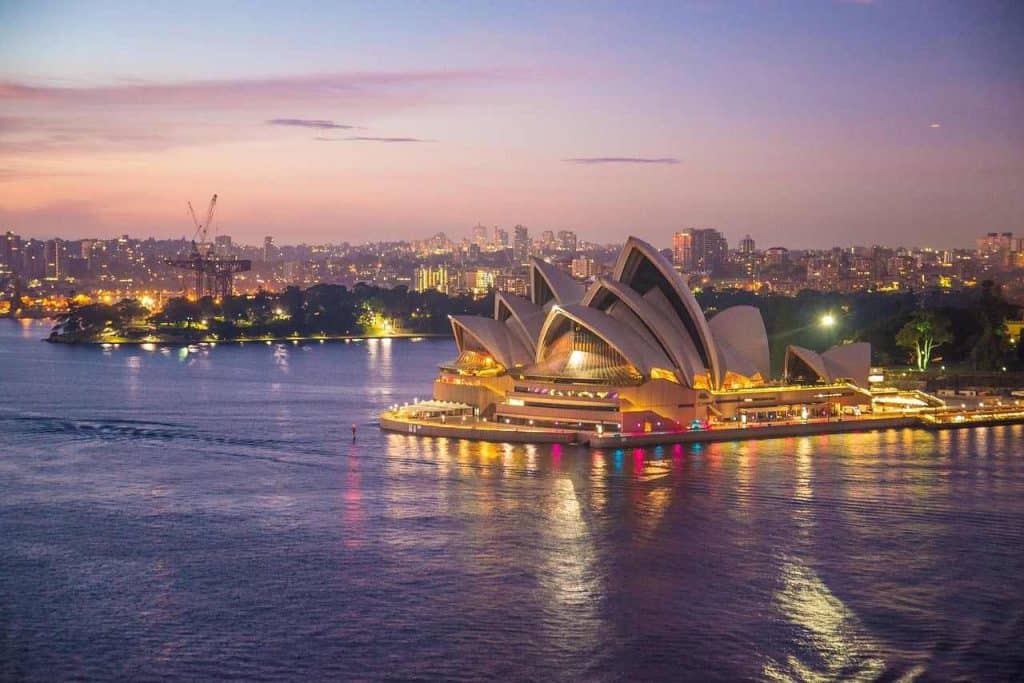
Sydney’s big, bold, and full of iconic views.
The Opera House and Harbour Bridge steal the spotlight, especially at sunset when the harbour lights up.
Wander along Circular Quay or take a ferry across the water for some of the best skyline views you’ll find anywhere. The beaches are a huge part of Sydney’s life.
Bondi and Manly are the most famous, and the coastal walk between Bondi and Coogee is a must—it’s an easy trail with ocean views, swimming spots, and cafés along the way.
The city itself boasts a good mix of green spaces and culture.
You’ll find great coffee, botanical gardens, and free galleries, such as the Art Gallery of New South Wales.
If you’re here in winter, there’s a good chance of spotting humpback whales from the clifftops or on a boat tour.
Sydney’s got something going on all year, and it’s a great place to get a taste of modern Aussie city life with the beach right on your doorstep.
Red Centre – Uluru & Kata Tjuta (Northern Territory)
Uluru sits right in the heart of Australia’s Red Centre—massive, sacred, and unforgettable.

Watching the rock change colour at sunrise or sunset is something you won’t forget, especially when the sky lights up behind it.
You can walk or cycle the base track to see its ancient textures up close, with quiet spots to stop and reflect along the way.
Just down the road, Kata Tjuta (also known as the Olgas) offers hikes through towering red domes and stunning desert landscapes.
The Valley of the Winds trail is one of the best if you’re up for a bit of a challenge and a big payoff in views.
Base yourself in Yulara, the nearest resort town, where tours, accommodation, and local experiences are all within easy reach.
Try a sunset camel ride, join a stargazing session, or learn about Anangu culture from Indigenous guides.
Climbing Uluru is banned out of respect for the Traditional Owners—visiting with care and understanding adds to the experience.
Melbourne & Great Ocean Road (Victoria)
Melbourne’s all about creativity, good coffee, and a laid-back vibe.
Wander through its laneways covered in street art, pop into galleries, and grab a flat white from one of the city’s many hole-in-the-wall cafés.
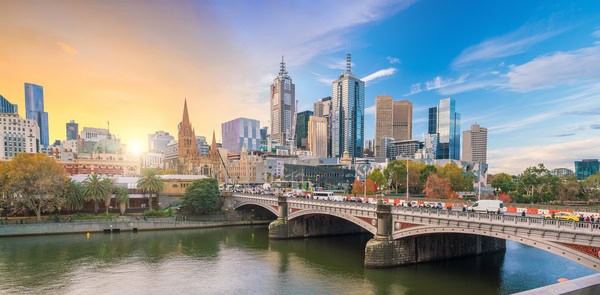
If you’re into sport, January is a great time to visit—Melbourne hosts the Australian Open, and the city buzzes with energy.
Just a couple of hours out of town, the Great Ocean Road is one of Australia’s best road trips.
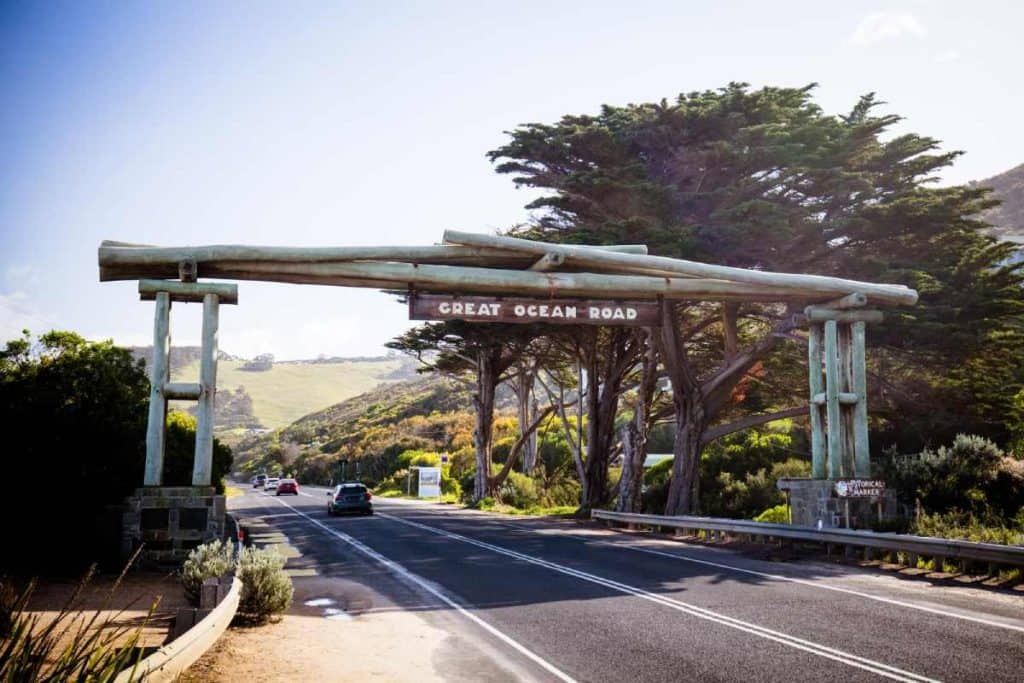
You’ll drive along winding coastal cliffs, spot koalas in eucalyptus forests, and reach the iconic 12 Apostles rising from the sea.
It’s the kind of drive where you’ll want to stop often, whether it’s for a surf beach or a quiet seaside town.
Nearby, the Yarra Valley is perfect for a day of wine tasting and long lunches, while Phillip Island draws crowds for its nightly penguin parade.
There’s a bit of everything here—urban culture, nature, and classic road trip freedom all in one region.
Perth & Margaret River (Western Australia)
Perth is laid-back, sunny, and spacious, offering plenty of room to breathe.
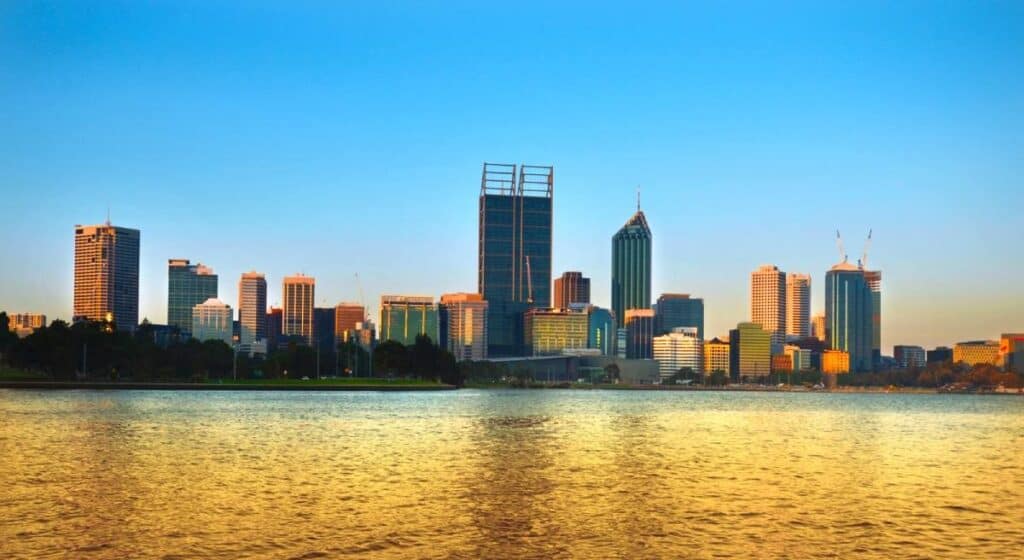
With beaches on one side and parks on the other, it’s easy to slow down here.
The city boasts a thriving food scene, stunning sunsets over the Indian Ocean, and convenient day trips to nearby destinations, such as Fremantle or Rottnest Island (hello, quokkas).
Head a few hours south to the Margaret River region and you’ll hit some of the country’s best wineries and surf beaches in one place. Think cabernet, chardonnay, craft beer, and ocean views all in the same afternoon.
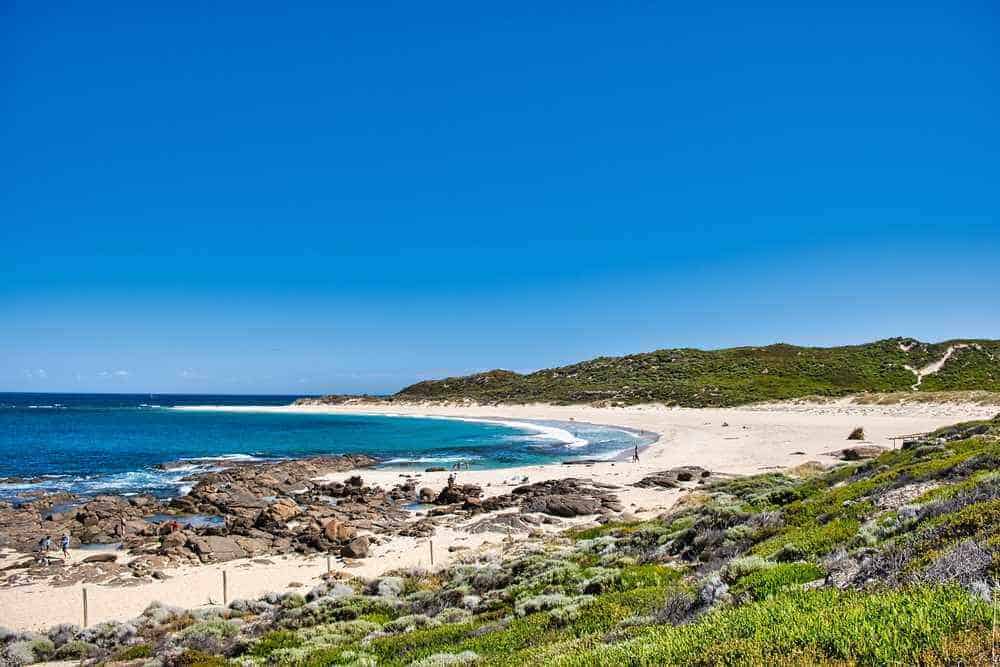
Spring (September to November) is lovely, with wildflowers blooming across national parks.
Further north, Western Australia shows off its wild side—swim with whale sharks at Ningaloo Reef or explore the ancient red gorges of the Kimberley.
If you’re after something a little more remote and untouched, WA delivers in spades.
Kangaroo Island (South Australia)
Just a short ferry ride from Adelaide, Kangaroo Island feels like a world away.
It’s one of the best places in Australia to see wildlife in the wild—kangaroos, koalas, sea lions, and all sorts of native birds roam freely here.
The landscapes are just as impressive, featuring dramatic coastlines at Remarkable Rocks and Admiral’s Arch, as well as quiet beaches that feel completely untouched.

Between nature walks and scenic drives, stop in at local farms for fresh honey, handmade cheese, and small-batch wines.
The island has a genuine local feel, with friendly producers and family-run establishments scattered throughout the countryside.
Back on the mainland, Adelaide makes a great base.
The city is renowned for its festivals and its proximity to the Barossa Valley, one of Australia’s premier wine regions.
It’s the kind of place where you can mix gourmet food, outdoor adventure, and coastal views in one easy trip.
Kakadu & Top End (Northern Territory)
Up in the Northern Territory’s Top End, Kakadu National Park is like stepping into another world.
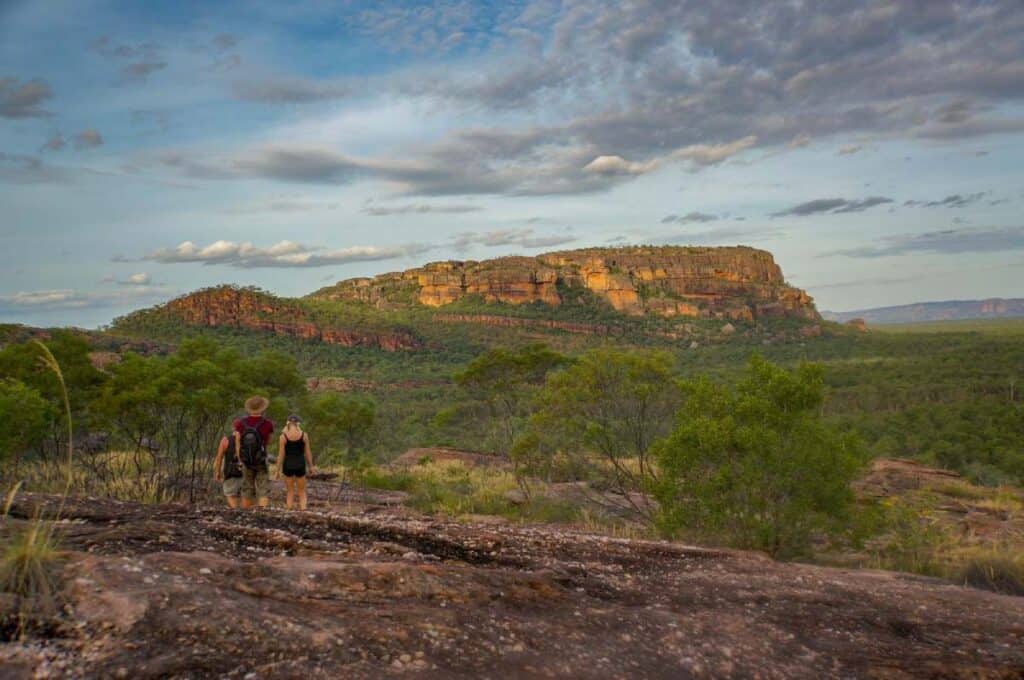
Just a few hours from Darwin, this vast wetland is packed with thundering waterfalls, floodplains teeming with birdlife, and ancient Aboriginal rock art that tells stories thousands of years old.
It’s wild, rugged, and full of life—especially during the dry season from May to October, when roads are open and the weather is clear.
Jump on a boat cruise to spot massive saltwater crocs lounging on the banks, or hike into places like Jim Jim Falls for a swim beneath towering cliffs.
Not far away, Katherine Gorge (Nitmiluk) offers peaceful river cruises, kayaking, and walking trails through dramatic sandstone country.
This part of Australia feels raw and powerful, offering a profound sense of the land’s cultural and natural history.
Hobart & Tasmania
Hobart feels like a mix of old-world charm and wild adventure.
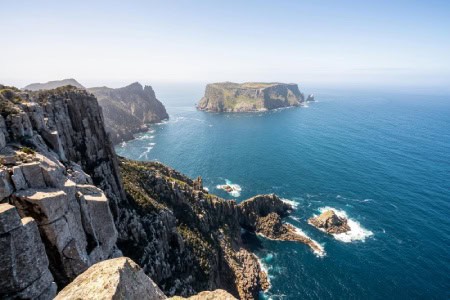
Set against the backdrop of Mount Wellington, the city’s full of heritage buildings, waterfront pubs, and fresh seafood markets. MONA—the Museum of Old and New Art—is a must-visit.
It’s quirky, bold, and unlike any other gallery in Australia. After that, hop on a harbour cruise or stroll through Salamanca Place with its cafés and markets.
Beyond the city, Tasmania’s landscapes are something else.
Cradle Mountain offers alpine hikes and glacier-carved lakes, while Freycinet National Park is home to the famous curve of Wineglass Bay.

World Heritage wilderness parks stretch out in every direction, perfect for bushwalks and scenic drives.
If you’re here in winter, keep an eye on the skies—Hobart’s clear nights sometimes show off the Southern Lights (aurora australis).
It’s quiet, wild, and just that little bit different from the mainland.
Gold Coast (Queensland)
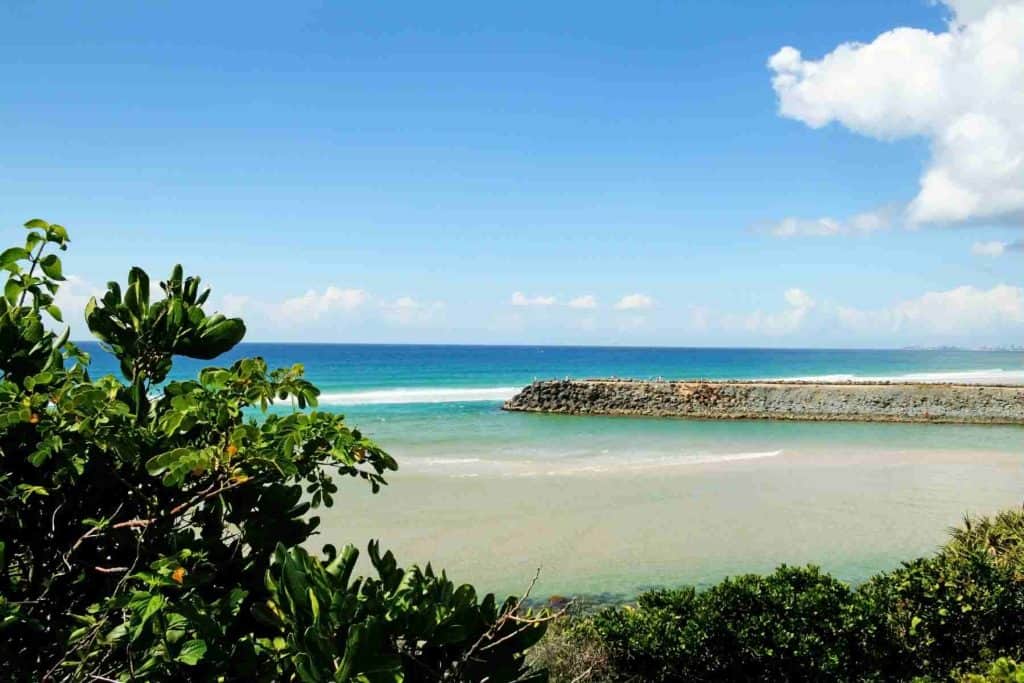
The Gold Coast is all about sunshine, surf, and a bit of city sparkle by the sea. With around 300 days of sun each year, it’s a top pick for beach lovers.
Surfers Paradise is the central hub—skyscrapers line the shore, and golden sands stretch out for miles. It’s busy, bold, and built for fun. There’s no shortage of things to do.
Hit the theme parks like Dreamworld, Sea World, and Movie World, or try jet skiing, stand-up paddleboarding, or a surfing lesson.
Just inland, the vibe shifts completely—subtropical rainforests, waterfalls, and walking trails offer a peaceful escape.
To the south, Byron Bay brings the laid-back energy. It’s all about surfing, farmers’ markets, yoga, and coastal walks to the Cape Byron Lighthouse.
Together, the Gold Coast and Byron give you the best of both worlds—action and chill, beach and hinterland.
Byron Bay (New South Wales)
Byron Bay is all about slowing down and soaking up the coastal lifestyle. This relaxed beach town has a gentle, easygoing feel that makes it hard to leave.
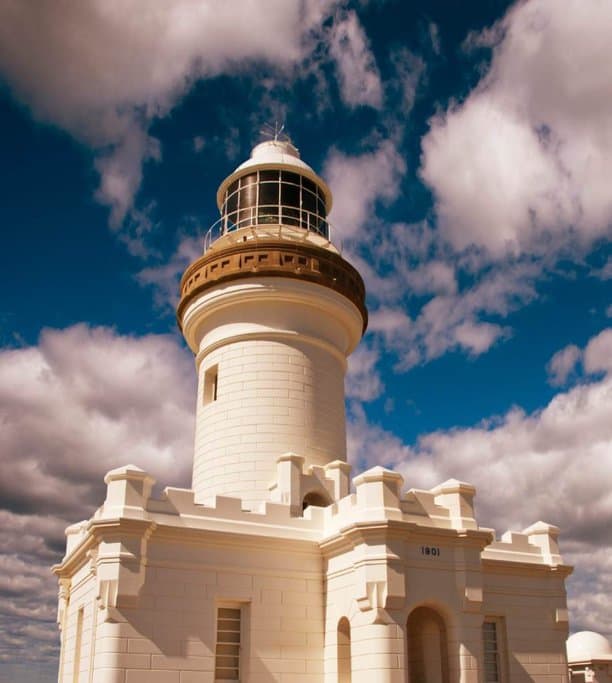
The Cape Byron Lighthouse marks Australia’s easternmost point and is a perfect spot for sunrise or spotting whales during migration season.
The beaches here are world-class—soft sand, rolling waves, and plenty of space to surf or swim.
Around town, you’ll find farm-to-table cafés, local markets, and a creative scene full of artists, musicians, and wellness retreats.
Whether you’re into yoga, beach walks, or just watching dolphins from the shore, Byron’s got a way of making you feel right at home.
Practical Tips for Travellers
Planning your first trip to Australia is exciting, but there are a few basics worth sorting out before you go.
From managing money and staying connected to knowing what to pack, these small things make a big difference once you’re on the ground.
Australia is easy to travel through, but it’s also vast, with varying weather conditions, remote regions, and different systems depending on your location.
This section provides practical details to help your trip run smoothly, allowing you to spend less time figuring things out and more time enjoying the surroundings.
💰 Money
Australia uses the Australian Dollar (AUD). Credit and debit cards (Visa and Mastercard) work almost everywhere, and ATMs are easy to find—even in small towns.
Remote areas may not have access to banking services, so it’s handy to carry some cash for markets or local shops.
If you’re carrying more than AUD 10,000 in or out of the country, you’ll need to declare it. Travellers’ cheques aren’t required.
I also recommend getting a Wise card. With Wise, you can transfer money from your home currency and convert it to AUD (or any other currency) at a great exchange rate.
We’ve personally used it in Bali and the Philippines, and it’s been super convenient. You can even use the card itself to pay at shops or restaurants that accept card payments.
🛜 SIM Cards & Internet
Prepaid SIM cards are readily available for purchase at airports, supermarkets, and phone shops.
Telstra has the best nationwide coverage, while Optus is generally more affordable. Both are good for data and calls. eSIM options are available, too.
I recommend Airalo for a hassle-free eSIM setup—you can install it before you even land and be connected as soon as you arrive. Use my code KATE4038 for $5 AUD off your first purchase.
Free Wi-Fi is standard in cafés, hotels, and libraries. Bring a Type I power adaptor and note that Australia uses 230V electricity.
📲 Apps & Connectivity
Useful apps make travel easier. Download Google Maps (and save offline maps), a currency converter like XE, and the Bureau of Meteorology weather app.
For public transportation, consider installing regional apps such as Opal Travel (Sydney) or MyTranslink (Brisbane).
Rideshare apps like Uber and Ola are widely used. The Emergency+ app helps call 000 with your GPS location, and Smartraveller gives official safety alerts.
⏰ Time Zones & Seasons
Australia spans multiple time zones, so be sure to check ahead if you’re flying between states or territories.
Seasons in the Northern Hemisphere are opposite to those in the Southern Hemisphere—summer runs from June to August, and winter from December to February.
Daylight hours vary a lot, with long summer evenings in the south and shorter days in winter.
💊 Health Prep
No special vaccinations are required for Australia, but ensure your routine vaccinations are up to date.
Pharmacies are well-stocked, although many medications require a prescription. Please bring any necessary medications, along with a copy of your prescription if needed.
🧳 Packing
Pack for variety. Coastal nights can get cool even in summer, while southern cities like Melbourne can be cold in winter; up north, however, it stays warm year-round.
Always pack sun protection—a hat, sunglasses, and reef-safe sunscreen are essentials.
For the beach or reef, a rash guard or light long-sleeve top helps protect against sun exposure. If you’re hiking or heading to the outback, good walking shoes are a must.
Frequently Asked Questions
How Long Should I Spend In Australia For A First Trip?
For a first trip to Australia, two to three weeks is a good amount of time.
The country’s massive, so it’s best to focus on one or two regions rather than trying to see everything.
This gives enough time to explore cities, relax at the beach, and fit in a few day trips without feeling rushed.
Do I Need A Visa To Visit Australia?
Yes, most travellers need a visa to visit Australia, even for short holidays.
The most common options are the eVisitor (subclass 651) or the ETA (Electronic Travel Authority), which can be applied for online before arrival.
Only New Zealand passport holders are granted a visa on arrival—all others must apply in advance.
What’s The Best Time Of Year To Visit?
The best time of year to visit Australia depends on the region, but spring (September to November) and autumn (March to May) are ideal for most areas.
These seasons offer mild weather, fewer crowds, and good travel deals.
For northern destinations, the dry season from May to October is the most comfortable time to go.
Is It Safe To Travel Alone In Australia?
Yes, it’s safe to travel alone in Australia, including for solo female travellers.
The country has low crime rates and a strong safety culture. Use common sense—stay in well-lit areas at night, keep an eye on belongings, and follow local advice.
Cities, regional towns, and tourist areas are generally very welcoming and secure.
What’s The Best Way To Get Around?
The best way to get around Australia depends on how far you’re travelling.
For long distances, flying is quickest and most practical. In cities, public transport and rideshare apps are reliable.
For coastal routes and national parks, hiring a car or campervan is ideal.
Mixing transport types often gives the best balance of time and flexibility.
How Much Does It Cost To Travel In Australia?
The cost to travel in Australia can vary, but it’s generally considered mid to high range.
Budget travellers can get by on around AUD 100–150 per day using hostels, public transport, and free activities.
Mid-range trips cost more with hotels and tours. Booking in advance and travelling off-peak can help keep costs down.
Do I Need Travel Insurance?
Yes, you need travel insurance for Australia, as medical care for visitors can be expensive.
A good policy should cover emergencies, hospital visits, cancellations, and lost items.
It’s especially important if you plan to visit remote areas or do adventure activities.
Travel insurance gives peace of mind and protects you from unexpected costs.
Is Australia Easy To Get Around Without A Car?
Australia is easy to get around without a car in major cities, thanks to reliable public transport and rideshare apps.
Trains, buses, and ferries cover most urban areas.
For regional travel or exploring national parks, though, having a car or joining a tour is often the most practical option for flexibility and access.
Is It Safe To Swim At The Beach?
Yes, it’s safe to swim at the beach in Australia as long as you follow local guidelines.
Always swim between the red-and-yellow flags where lifeguards patrol.
These areas are monitored for rip currents, marine stingers, and changing conditions.
Avoid unpatrolled beaches and heed warning signs to stay safe in the water.
Are There Dangerous Animals Travellers Need To Worry About?
Australia is home to a few dangerous animals, such as sharks, crocodiles, and snakes.
However, these encounters are rare and can be avoided by following safety guidelines.
Always swim in designated areas, heed local warnings, and be cautious when exploring nature. By staying aware and taking precautions, travellers can stay safe.
Conclusion
Planning your first trip to Australia doesn’t have to be overwhelming. With the correct information, it’s easy to choose where to go, how to get around, and what to expect once you’re here.
From applying for your visa to packing smart, every section in this guide is designed to help you travel confidently and make the most of your time.
Whether you’re dreaming of reef snorkels, outback sunsets, or city coastlines, this guide takes out the guesswork and gives you a solid starting point.
Now that you’ve got the essentials covered, it’s time to start mapping out your adventure—pick your region, book your flights, and get ready to explore Australia your way.
