
The Best Places in Australia: What to Visit First (And What Can Wait)

Australia Travel Hub contains affiliate links and is a member of the Amazon Services LLC Associates Program. If you make a purchase using one of these Amazon links, we may receive compensation at no extra cost to you. See our Disclosure Policy for more information.
Australia is a long way from almost everywhere, which means most people only make the trip once.
The best places in Australia span six states and two territories, and no single itinerary covers all of them — so the decisions you make upfront shape everything.
The country is roughly the size of the continental United States. Flying from Sydney to Perth takes five hours.
That context is worth keeping in mind before booking.
Quick Comparison: Australia’s Best Places at a Glance
| Destination | Best For | Days Needed | Best Time |
|---|---|---|---|
| Sydney | First-time visitors | 3–4 | Sep–Nov, Mar–May |
| Melbourne | Food and culture | 3–4 | Mar–May |
| Great Barrier Reef | Snorkelling and diving | 3–5 | May–Oct |
| Uluru | Outback experience | 2–3 | Apr–Sep |
| Gold Coast | Beaches and families | 2–3 | Mar–Nov |
| Brisbane | Queensland base | 2 | Mar–May, Sep–Nov |
| Adelaide | Food, wine, and wildlife day trips | 4–5 | Feb–May |
| Kangaroo Island | Wildlife | 2–3 | Mar–Nov |
| Tasmania | Wilderness and road trips | 7–10 | Dec–Feb |
| Margaret River | Wine and coastal scenery | 3–4 | Oct–Apr |
| Whitsundays | Tropical islands | 3–4 | Jun–Aug |
Sydney, New South Wales
Sydney is the most visited city in Australia and the natural starting point for most international trips.
The Sydney Opera House and Harbour Bridge are the obvious anchors, but what makes Sydney worth a few extra days is the coastline — Bondi, Manly, and Coogee are all within 30 minutes of the CBD.
How long to spend: 3–4 days covers the highlights.
Best time to visit: September–November and March–May for the best balance of weather and crowds. December–February can be hot and humid.
For budget travellers: The coastal walk from Bondi to Coogee is free and takes 2–3 hours at a relaxed pace. Most beaches have no entry fee.
For first-timers: Book the BridgeClimb in advance — it sells out, especially on weekends. Daytime Summit climbs start from around $264 per person when booked online.
Not ideal for: Travellers on a tight budget (accommodation and dining are expensive), anyone expecting to cover it in a day, or people looking for remote and natural Australia.
If you’re planning the trip, see my Sydney itinerary for a day-by-day breakdown.
Melbourne, Victoria
Melbourne was named the best city in the world by Time Out in 2026 — the first Australian city to top the list.
The food scene is serious — laneway cafes, rooftop bars, and a restaurant culture that punches well above the city’s population. The Queen Victoria Market on a Saturday morning is one of the best things to do in any Australian city.
How long to spend: 3–4 days in the city, longer if you’re planning day trips to the Yarra Valley, Mornington Peninsula, or Great Ocean Road.
Best time to visit: March–May (autumn) for mild weather and fewer crowds. Summer in Melbourne is unpredictable — four seasons in one day is not a myth.
For day-trippers: The Great Ocean Road starts at Torquay, about 1.5 hours from Melbourne CBD. A full-day trip to the Twelve Apostles and back takes around 8–9 hours, including driving and stops.
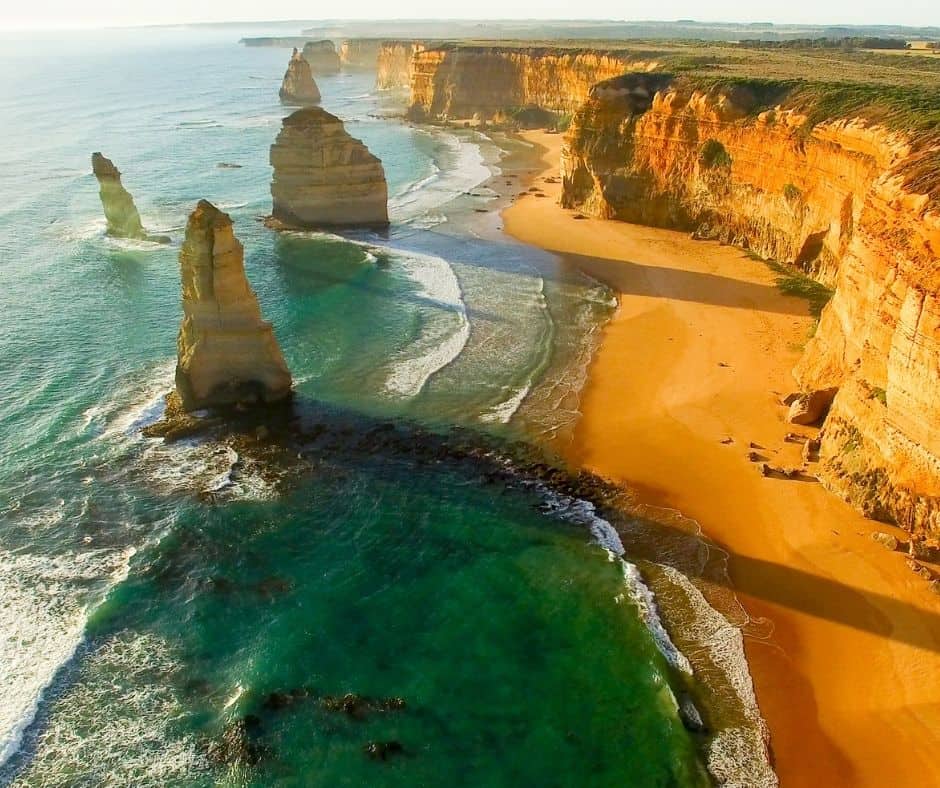
I’ve covered the full route in my Great Ocean Road guide.
Not ideal for: Travellers who want iconic Australian beach weather — Melbourne isn’t known for its beaches in the same way Sydney or the Gold Coast are, and summer weather is unpredictable. Also not ideal for anyone expecting to do the city justice in 1–2 days.
My 7-day Melbourne itinerary has the full plan if you want to do it properly.
The Great Barrier Reef, Queensland

The Great Barrier Reef is one of the seven natural wonders of the world and stretches over 2,300 kilometres along Queensland’s coast. Most people access it from Cairns, though Port Douglas is a quieter base.
Day tours from Cairns start from around $209, with most full-day snorkelling trips sitting between $220–$350, including lunch and gear. Quicksilver Cruises departs from Port Douglas and is one of the most established operators on the reef.
How long to spend: 3–5 days based in Cairns or Port Douglas, with at least one full reef day. Add extra days if you’re diving.
Best time to visit: May–October, when water visibility is at its best and stingers are less of an issue. The wet season (November–April) brings rough conditions and jellyfish.
For first-timers: You don’t need to dive to appreciate the reef — snorkelling gets you close enough. Most day tour operators include snorkel gear and brief instruction in the price.
For serious divers: Liveaboard trips run 2–3 nights and cost between $500 – $1,250. For a day trip, Down Under Cruise runs from around $275.
Not ideal for: Anyone visiting November–April (stingers and rough conditions make the experience significantly worse), strict budget travellers (reef tours are a real cost), or those with a fear of open water.
See my Cairns itinerary for how to plan the reef alongside the rest of the region.
Uluru, Northern Territory
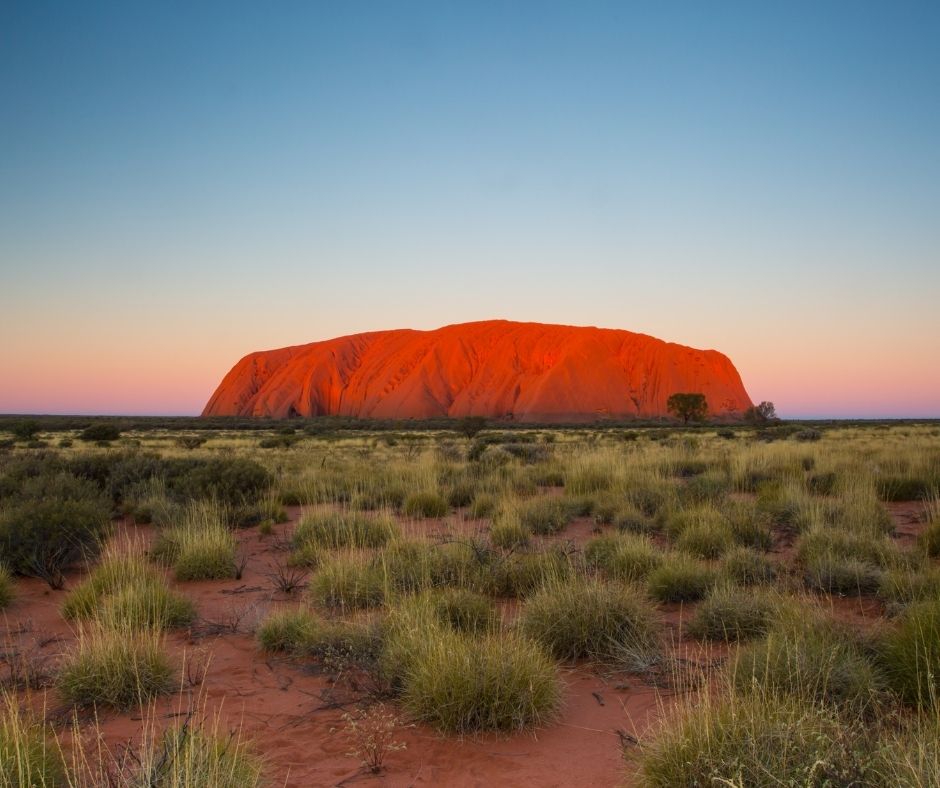
Uluru is the sacred sandstone monolith in the heart of the Australian Outback, and no photograph does it justice — the scale and colour shift throughout the day in ways that catch you off guard.
The 10.6-kilometre base walk takes around 3.5 hours and is free once you’ve paid the national park entry fee ($25 per adult, valid for three days).
For something more substantial, the new Uluṟu-Kaṯa Tjuṯa Signature Walk is a five-day, 54-kilometre guided journey that launched in April 2026. It costs $5,395 per person twin share and runs April–September.
How long to spend: 2–3 days is enough to see Uluru and Kata Tjuta properly. Any less and you’re just rushing past.
Best time to visit: April–September when temperatures are manageable. Summer in the Red Centre can hit 45°C, which makes most outdoor activity impossible by mid-morning.
For couples: Sunrise at the Rock with breakfast is one of the best experiences— you can book here.
Getting there: Fly into Ayers Rock Airport (Connellan) from Sydney, Melbourne, or Alice Springs. Hiring a car from the airport is the most practical way to get around once you land.
Not ideal for: Anyone visiting December–February (heat makes outdoor activity dangerous by mid-morning), beach lovers, or travellers who need more than 2–3 days of activities — Uluru is a profound experience, but it’s a focused destination, not a week-long base.
Gold Coast, Queensland
The Gold Coast gets written off as a theme park strip, but Burleigh Heads and the stretch south toward Coolangatta are a different story.
Burleigh Heads National Park sits right next to one of Australia’s most consistent surf breaks and has a rainforest walking track that takes about 45 minutes. The cafe scene along James Street in Burleigh is worth at least a morning.
How long to spend: 2–3 days is plenty. The Gold Coast works best as part of a Queensland trip rather than as a standalone destination.
For families: Sea World, Movie World, Wet’n’Wild, and Paradise Country are the obvious draws, and the best-value way to buy is through Klook’s multi-park pass.
If you’re a new Klook user, use the code AUSTRAVELHUBKLOOK for up to 10% off your booking.
For budget travellers: The beaches are free, and the Gold Coast Hinterland — including Springbrook National Park — is a 45-minute drive from Surfers Paradise with zero entry fee.
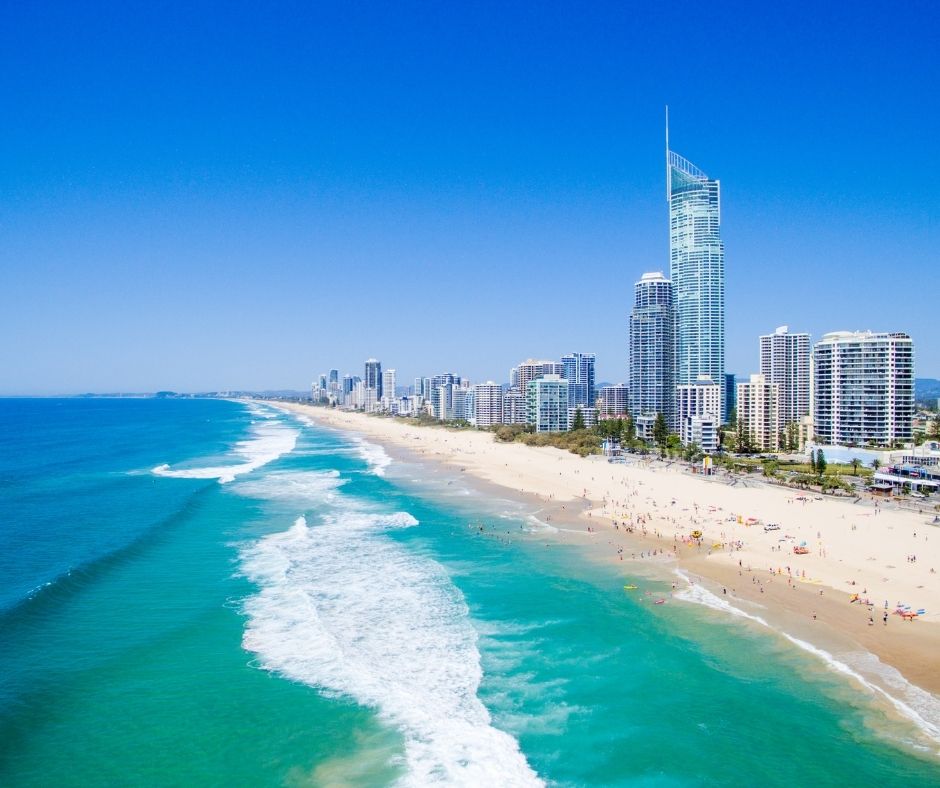
Not ideal for: Travellers who want a genuine Australian city experience (the Gold Coast is a tourist strip, not a cultural hub), or anyone expecting remote wilderness.
My Gold Coast itinerary covers the best of Burleigh and beyond if you do decide to go.
Brisbane, Queensland
Brisbane is Australia’s third-largest city and the capital of Queensland — a major entry point for international flights into the state.
It’s a solid base — the CBD is compact, South Bank Parklands runs along the river, and day trips to the Gold Coast (1 hour south) and Sunshine Coast (about 1.5 hours north) are easy from here.
How long to spend: 2 days in the city is enough. Build it around a Queensland itinerary rather than treating it as a destination on its own.
Best time to visit: March–May and September–November for warm weather and lower humidity. December–February is hot, humid, and prone to afternoon storms.
Not ideal for: Travellers looking for a standalone must-see city — Brisbane is a practical base more than a destination in its own right at this stage.
Adelaide and South Australia
Adelaide is a city that rewards slow travel. It’s compact, easy to navigate, and the CBD is ringed by a continuous belt of parklands — a design feature built into the original 1836 city plan that makes it feel more open than most Australian capitals.
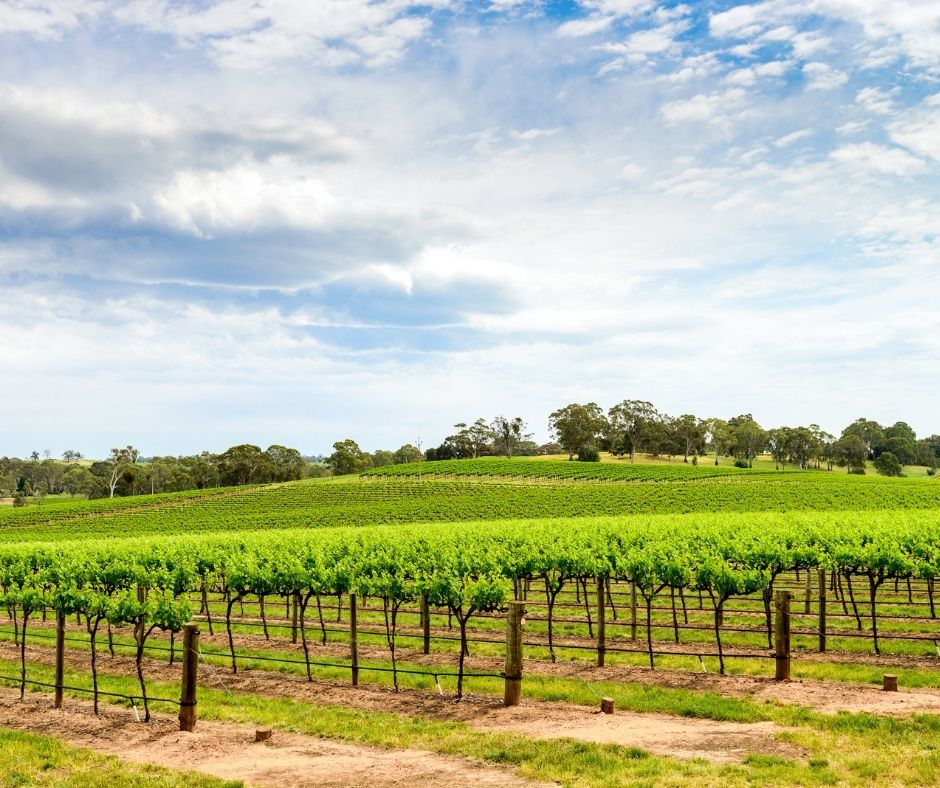
I’m based here, and the thing most people don’t realise is how close the good stuff is — the Barossa Valley is 45 minutes north, the Fleurieu Peninsula starts just 40 minutes south of the CBD, and Kangaroo Island is a 1.5-hour drive to Cape Jervis followed by a 45-minute ferry crossing.
How long to spend: 4–5 days to do the city and at least one regional day trip properly.
Best time to visit: February–March for the Adelaide Fringe — the largest arts festival in the Southern Hemisphere, running from late February to late March. April–May is the best time for comfortable temperatures without the crowds.
For food travellers: The Adelaide Central Market has been running for over 150 years and is one of the largest undercover fresh produce markets in the Southern Hemisphere. My Adelaide itinerary has the full guide to the city and what to do around it.
Not ideal for: Travellers who want big-city energy or are only passing through for a night — if you treat it as a stopover, it won’t leave an impression.
Kangaroo Island, South Australia

Kangaroo Island sits about 16 kilometres off the Fleurieu Peninsula. More than a third of the island is national park or conservation reserve.
Seal Bay Conservation Park is the only place in Australia where you can walk among a wild sea lion colony on a guided tour — $42 per adult. I’ve done it twice and it still doesn’t feel real.
How long to spend: 2–3 days minimum. One day is not enough to get past the ferry terminal.
Getting there: SeaLink runs the ferry from Cape Jervis. The crossing takes 45 minutes — check current fares at sealink.com.au before booking as vehicle prices vary by season.
For wildlife: The western end of the island — Flinders Chase National Park — is where you’ll find the most intact bush and the best chance of spotting echidnas, koalas, kangaroos, and a variety of birdlife. Platypuses are present in some waterways, but sightings are rare.
See my Kangaroo Island itinerary for the full breakdown of what to do and where to stay.
Not ideal for: Budget travellers (ferry, car hire, and accommodation add up fast), or anyone with less than 2 full days — the island is bigger than most people expect.
Tasmania
Tasmania resets what you expect from Australian travel. The wilderness here is the real thing — the Cradle Mountain-Lake St Clair National Park alone covers 161,000 hectares.
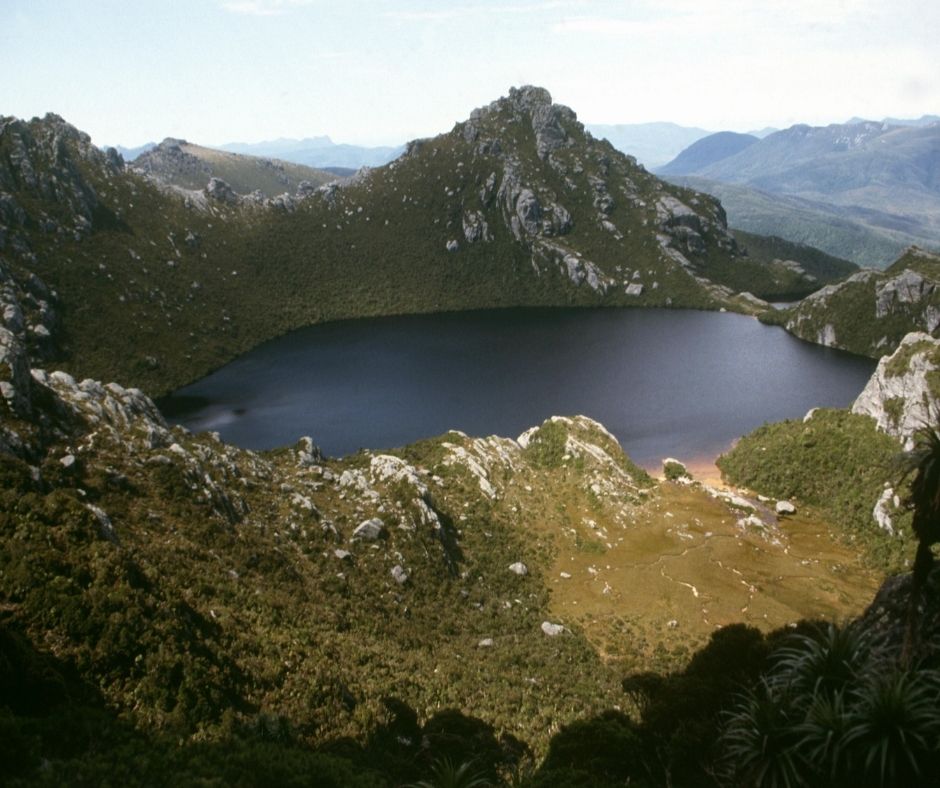
Hobart is the base for most trips, and MONA — the Museum of Old and New Art — is one of the most distinctive cultural institutions in the country. Entry is $39 per adult (free for Tasmanians).
How long to spend: 7–10 days to do both Hobart and the wilderness justice.
Best time to visit: December–February for hiking and long daylight hours. July–August for affordable prices and moody landscapes, though some mountain roads may close.
Getting there: Fly into Hobart from Sydney, Melbourne, or Brisbane. The Spirit of Tasmania ferry from Melbourne is a worthwhile option if you’re bringing a car.
Not ideal for: Short trips (a rushed week won’t do it justice), travellers after warm tropical beach weather, or anyone who dislikes driving — a car is essential outside of Hobart.
My Tasmania itinerary has the full breakdown if you want help planning the trip.
Margaret River, Western Australia
Margaret River sits 270 kilometres south of Perth and combines world-class surf, cave systems, and one of Australia’s best wine regions in a relatively small area.
Cape Leeuwin is where the Indian and Southern Oceans meet — it’s the most south-westerly point of Australia and worth the drive. The lighthouse tour costs around $22 per adult.
How long to spend: 3–4 days in the region. Most visitors fly into Perth and drive south — add at least 2 days in Perth to make the trip worthwhile.
Best time to visit: October–April. Winters are mild but wet.
For wine lovers: The Margaret River Wine Region has over 200 cellar doors. Leeuwin Estate is one of the most awarded wineries in the country and has a restaurant on-site.
Not ideal for: Travellers on east-coast-only trips (it requires a separate flight to Perth and a 3-hour drive south), or anyone visiting June–August — the surf is still good but the rain is consistent.
The Whitsundays, Queensland
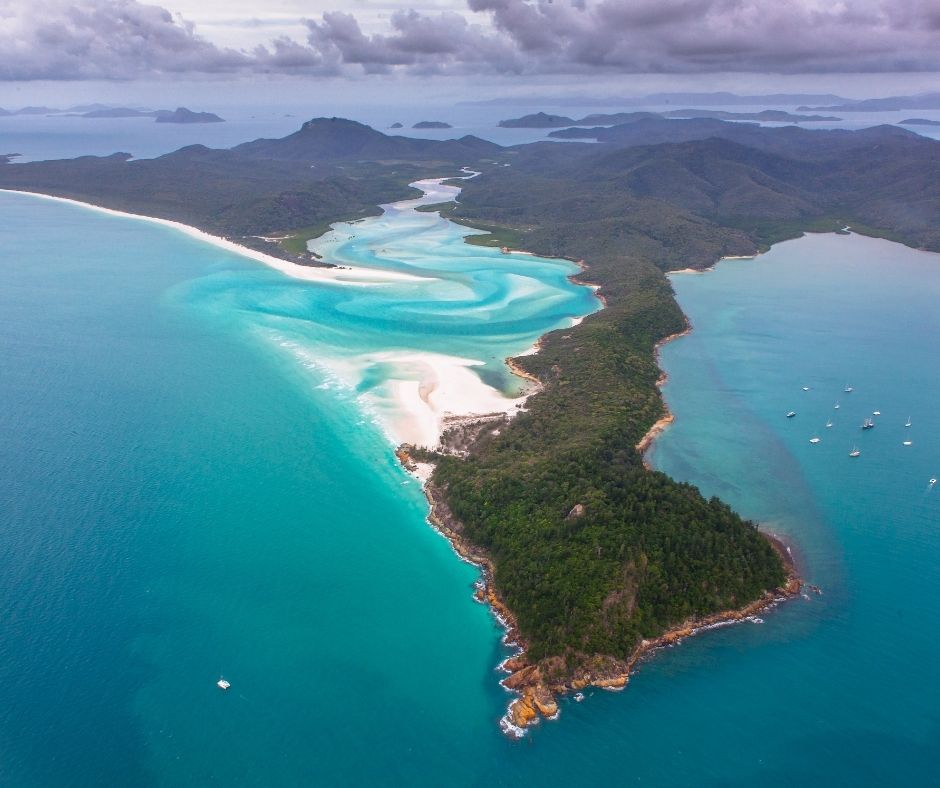
The Whitsundays are 74 islands scattered across the Coral Sea between Airlie Beach and the outer Great Barrier Reef. Whitehaven Beach consistently ranks among the best beaches in the world, and the silica sand is so fine it squeaks underfoot.
Most people access the islands by sailing charter or day cruise from Airlie Beach. A full-day sailing tour to Whitehaven typically costs $130–$170 per person. [book here]
How long to spend: 3–4 days, including at least one overnight sailing charter.
Best time to visit: June–August for calm seas and clear skies. November–April is cyclone season, and conditions can make sailing uncomfortable.
Not ideal for: anyone visiting during cyclone season, travellers prone to seasickness (sailing charters are the main way to experience the islands), or those on a tight budget — overnight charters in particular are a significant expense.
What Can Wait for a Second Trip
Darwin. Darwin is worth the trip — the Mindil Beach Sunset Market and the proximity to Kakadu are real draws — but it’s a long way from everywhere else and works best as part of a dedicated Northern Territory trip rather than a bolt-on to an east-coast itinerary.
Broome and the Kimberley. Cable Beach at sunset is one of the most photographed scenes in Australia, and the reputation is deserved. But Broome is a 2.5-hour flight from Perth and doesn’t connect easily to anything else, which makes the travel-to-experience ratio hard to justify on a first visit.
Kakadu National Park. Kakadu is extraordinary — UNESCO-listed, ancient rock art, vast floodplain wetlands — but it needs at least four days and a 4WD to do properly. Most first-timers underestimate that and leave disappointed.
Byron Bay. Byron has good beaches and a strong food scene, but it’s also one of the most crowded and expensive towns on the east coast. Peak season (December–January) can feel overwhelming compared with the relaxed atmosphere most visitors expect.
Save it for a shoulder-season trip with more time to explore the hinterland.
Perth as a standalone destination. Perth is worth visiting — Cottesloe Beach, Fremantle, Rottnest Island — but flying there from the east coast takes five hours each way. Unless you’re adding Margaret River or the South West, it’s hard to justify the time and cost on a two-week trip.
Save it for when you have at least five days in Western Australia.
Common Mistakes to Avoid
✔️ Trying to cover too much ground. Australia is enormous, and flights are expensive. A trip that tries to hit Sydney, Uluru, the Great Barrier Reef, and Perth in two weeks will feel rushed.
✔️ Pick a region and go deep.
✔️ Visiting the tropical north in summer. December–February is the wet season in Cairns, Darwin, and the Whitsundays. Humidity is extreme, box jellyfish are in the water, and some roads and walks are closed.
✔️ Skipping South Australia. Most east-coast itineraries skip SA entirely, sticking to the Sydney–Melbourne corridor. The Barossa Valley, Kangaroo Island, and the Fleurieu Peninsula are all within easy reach of Adelaide and far less crowded than anything on the east coast.
✔️ Underestimating drive times. Google Maps gives accurate times but doesn’t account for how tiring long Australian highway drives can be. Build in stops and avoid driving more than four hours in a day.
✔️ Booking domestic flights too late. Australian airfares jump during school holidays and major events. If your itinerary involves flying between cities — and it likely will — book internal flights as early as you book international ones.
How Long Do You Need in Australia?
Two weeks is the minimum to get a real sense of the country. It’s enough to cover two or three regions without rushing.
Four weeks allow for a proper east-coast run plus one of the major regional destinations — Tasmania, South Australia, or Western Australia. Most long-term travellers find three to four weeks is the sweet spot.
FAQ
What is the most popular tourist destination in Australia?
Sydney is consistently Australia’s most visited destination. The Harbour Bridge, Opera House, and beaches make it the natural first stop for international visitors — see my Sydney itinerary for how to plan it.
What is the best time to visit Australia?
It depends on where you’re going. September–November and March–May work well for the southern states.
For the tropical north — Cairns, the Whitsundays, Darwin — May–October is the dry season and by far the better time to visit.
How many days do you need in Australia?
Two weeks is the minimum for a first visit. Four weeks is ideal if you want to see more than one region properly.
Is Australia worth visiting for the first time?
Yes — but it requires more planning than most destinations. The distances are real, the climate varies by region, and timing matters.
The effort is worth it.
What are the best places in Australia for families?
The Gold Coast, Sydney, and Melbourne are the most family-friendly city destinations. For wildlife, Kangaroo Island and the Whitsundays are hard to beat.
The Gold Coast theme parks are a reliable hit with kids.
What are the best places in Australia off the beaten track?
The Flinders Ranges in South Australia, the Kimberley in Western Australia, and the Bay of Fires in Tasmania are three destinations that see a fraction of the traffic of the big-name spots — and all three are worth the detour.
