
Things to Do in Flinders Ranges — 28 Best Spots for 2026

Australia Travel Hub contains affiliate links and is a member of the Amazon Services LLC Associates Program. If you make a purchase using one of these Amazon links, we may receive compensation at no extra cost to you. See our Disclosure Policy for more information.
There’s no shortage of things to do in Flinders Ranges, from ancient red gorges to a national park that’s home to some of the oldest fossils on Earth.
During my four-day stay up there, I found this place has a way of lingering in your memory long after you’ve left.
Between ancient gorges, working stations and some genuinely surprising food and wine, it’s fair to say the Flinders Ranges are worth visiting for pretty much any type of traveller.
This guide covers the best Flinders Ranges attractions, where to stay and how to plan your Flinders Ranges itinerary, built from firsthand knowledge and the latest information for 2026.
Whether you’re a couple after a scenic long weekend, a family looking for an easy road trip, or a solo 4WD traveller heading further off the beaten track, there’s a version of this trip that suits you.
Things to Do in Flinders Ranges
Nestled in outback South Australia, Ikara-Flinders Ranges National Park is the centrepiece of the region.
Beyond the park boundary, the wider Flinders Ranges stretches from the wine country of the south right up to the wilderness of Arkaroola in the north.
Here’s where to start.
1. Go Underground on the Blinman Heritage Mine Tour
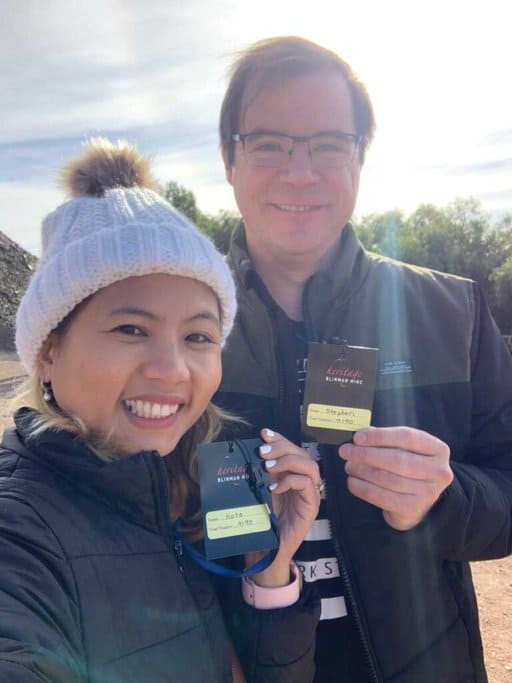
One spot that especially captured my heart was Blinman.
This tiny town, the highest in South Australia, has a population of just 24 (when we were there), and it feels like being woven into the fabric of local life the moment you arrive.
Copper was discovered here in 1859, and the Blinman Heritage Mine Tour takes you underground into the original workings.
2. Watch the Sunset at Stokes Hill Lookout
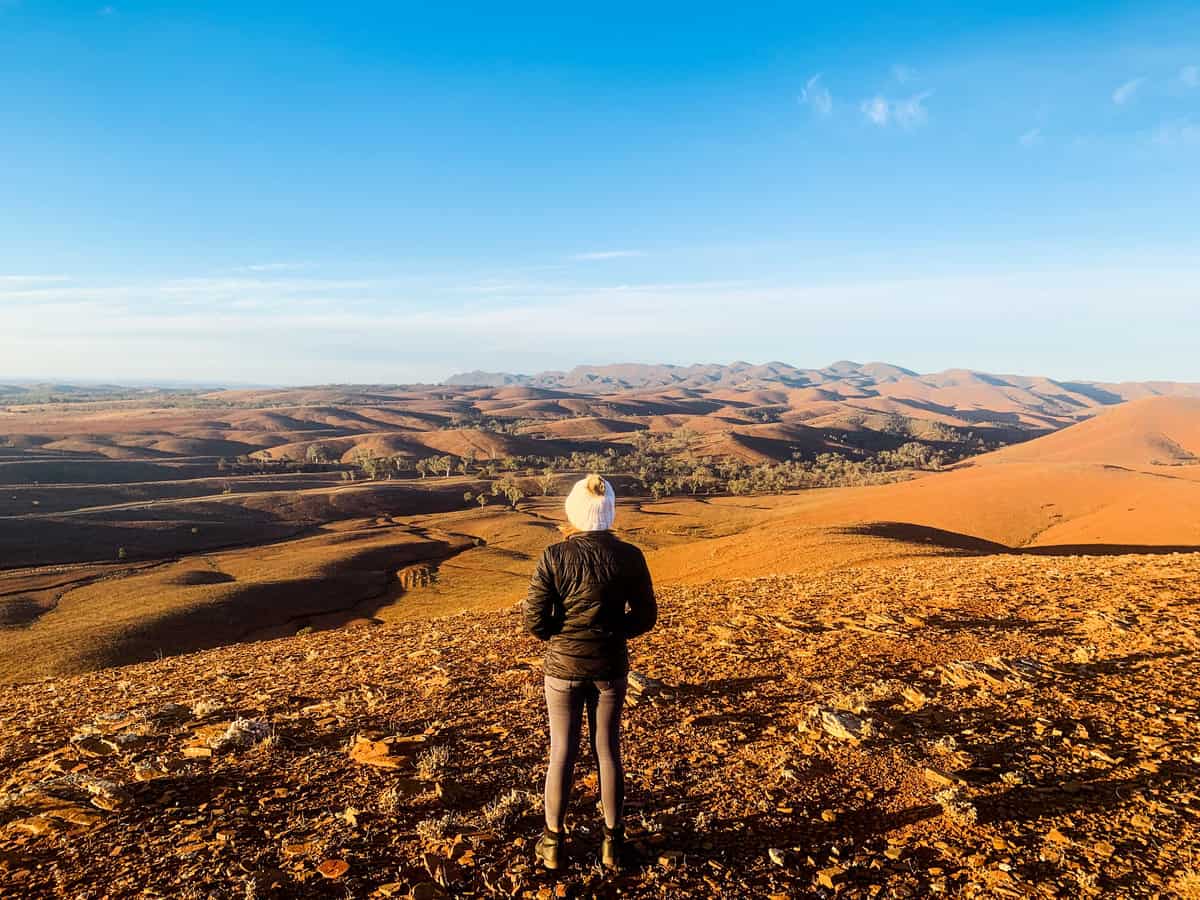
Stokes Hill Lookout sits a short drive past Wilpena Pound Resort and delivers one of the most reliable sunset views in the park.
Get there early to grab a spot and stay until it’s properly dark; the colours keep shifting well after the sun drops.
3. Hike Mount Ohlssen Bagge
This is a solid half-day hike for anyone reasonably fit, climbing to a ridge with sweeping views into Wilpena Pound itself.
It’s steep in parts, so budget more time than the map suggests, and note the trail closes overnight through 2026 as part of a pest control program, so plan for a daytime walk.

4. Drive Through Bunyeroo Valley and Gorge
Bunyeroo Valley is one of the most scenic drives in the park, winding through folded red hills before dropping into the gorge itself.
Stop at Magnetic Hill on the way if you’re coming from Adelaide via Wirrabara; it’s a quick, fun optical-illusion detour where your car appears to roll uphill in neutral.
5. Catch the Colours at Razorback Lookout

The view from Razorback Lookout has to be one of the finest sunsets I’ve ever seen.
It’s easy to think you’re there for the sunset, but honestly it’s the mountains that steal the show as the light shifts across the ridgelines.
6. Take the Geological Drive Through Brachina Gorge
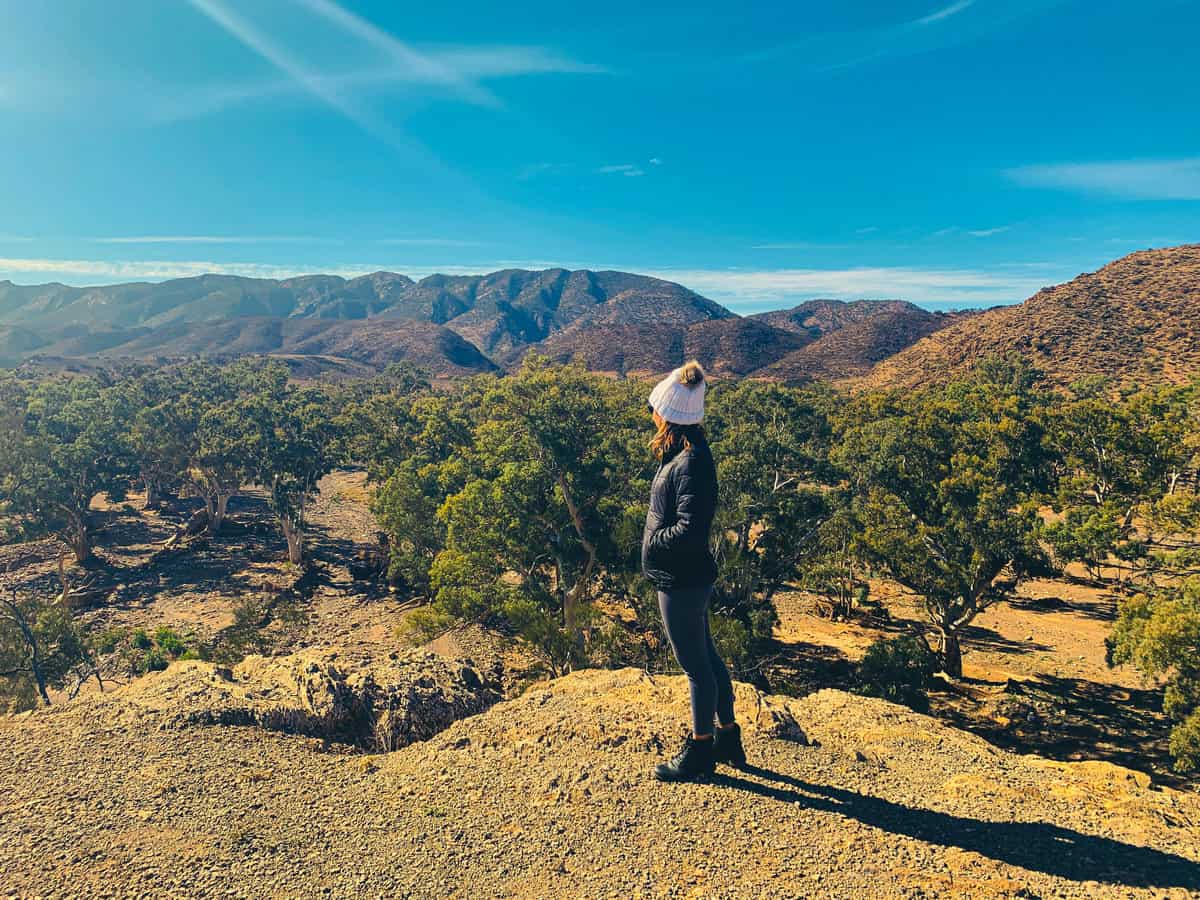
Brachina Gorge is a self-guided geological trail through rock layers that record roughly 130 million years of Earth’s history.
Keep your eyes on the cliffs and creek beds here; this is one of the most reliable spots in the ranges to see Yellow-footed Rock Wallabies in the wild.
7. Take a Scenic Flight Over Wilpena Pound
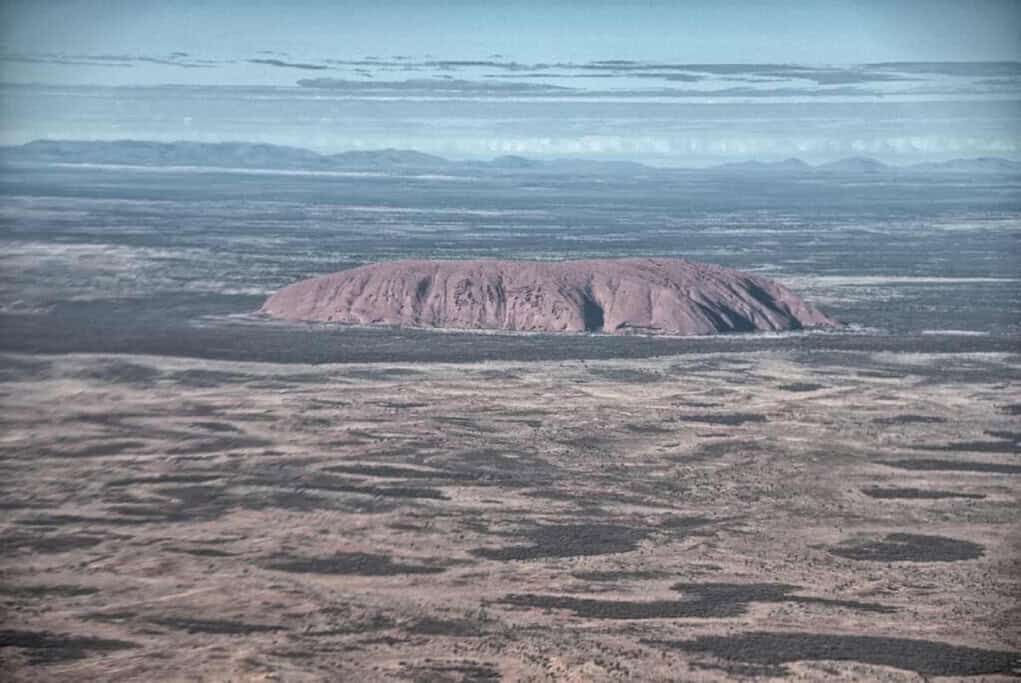
Seeing Wilpena Pound from the ground doesn’t quite prepare you for how enormous the natural amphitheatre really is.
Chinta Air flies scenic flights from Rawnsley Park Station, with options from 30 minutes up to an hour over the Pound and surrounding ranges.
If you’re based at Wilpena Pound Resort instead, Wrightsair flies from there daily, and also runs a longer flight out to Lake Eyre if you want to extend the trip into the Outback proper.
8. Eat Local Lamb at the Woolshed Restaurant
The Woolshed Restaurant at Rawnsley Park Station serves modern Australian food built around produce from the working sheep station it sits on.
The lamb is the standout, sourced straight from the farm, and bookings are essential as it only opens for dinner, seven nights a week from March to November and fewer nights over summer.
9. Hike Alligator Gorge in Mount Remarkable National Park
Alligator Gorge sits a little further south, near Wilmington, and is technically part of Mount Remarkable National Park rather than Ikara-Flinders Ranges.
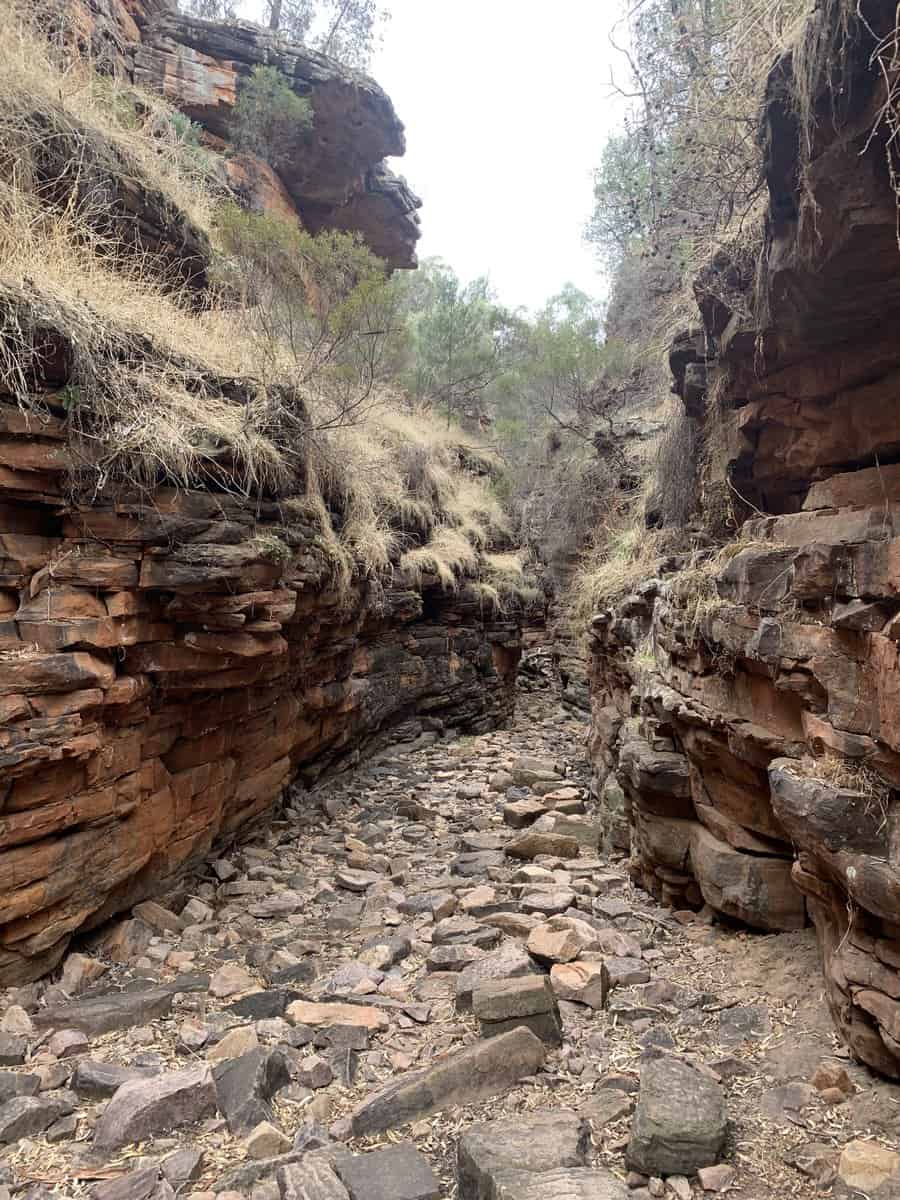
The narrow, layered walls make it one of the most photogenic short walks in the wider region, and there’s a second entrance point near Mambray Creek if you’re approaching from Port Augusta.
A section of the gorge has been closed since the 2025 Wilmington bushfire while the park recovers, so check current alerts on the Parks SA site before you go.
10. Try Feral Dining at the Prairie Hotel
The Prairie Hotel in Parachilna is famous for its feral food menu, think kangaroo, emu, camel and native ingredients like quandong and saltbush.
It’s open seasonally from early March to mid-December, so check dates before you plan around it, and book ahead for both dinner and a room if you want to stay.
11. Fuel Up at Miners Crib Café
This café near Blinman is a handy stop before or after the mine tour, serving simple, hearty food.
Good spot to refuel before heading further north into the ranges.
12. Stop for Pie at Stone Hut Bakery
We stopped here on our way up to the ranges, and it’s become a bit of a tradition.
My husband ordered the crocodile pie, and I bravely took a bite, and I’ll admit I was surprised how good it was.
13. Learn the Culture at Sacred Canyon
Sacred Canyon holds Aboriginal rock engravings that have been part of Adnyamathanha culture for thousands of years.
Independent access closed back in 2020, so this is now a guided-tour-only site; book an Adnyamathanha-led tour through Wilpena Pound Resort rather than turning up on your own.
14. Watch the Quorn Silo Light Show
Quorn’s grain silos come alive after dark with a projected light show that tells the story of the town and the surrounding ranges.
It runs on a set nightly schedule, worth timing your visit around if you’re staying nearby.
15. Explore the Wilpena Panorama at Jeff Morgan Gallery, Hawker
The Jeff Morgan Gallery is in Hawker, not Quorn, on the corner of Cradock and Wilpena Roads.
Inside is a 33-metre-wide panoramic painting of Wilpena Pound along with a huge collection of minerals, fossils and artwork.
16. Grab Lunch at Quandong Café, Quorn
This Quorn café leans hard into the region’s signature native fruit, with quandong featuring across the menu from pies to drinks.
A good lunch stop between exploring the town and heading out to the Pichi Richi line.
17. Take On St Mary’s Peak
St Mary’s Peak is the highest point in the Flinders Ranges and the most demanding hike on this list.
The summit itself is sacred to the Adnyamathanha people, who ask that visitors stick to the outer rim trail rather than the peak, and there’s a shorter, easier lookout option if the full loop isn’t for you.
18. Explore Arkaroola Wilderness Sanctuary
Arkaroola sits well north of the main national park and feels like a different world again, with ridgetop 4WD tracks by day and some of the darkest skies in Australia for stargazing by night.
It’s a longer drive to get there, but it’s consistently the spot returning visitors say they wish they’d spent more time at.
19. Drive the Moralana Scenic Route
The Moralana Scenic Drive links Wilpena Pound Road to the Hawker-Brachina route and is a genuinely gorgeous alternative to backtracking the same road twice.
Wildlife sightings are common along here, especially early morning or late afternoon.
20. Ride the Pichi Richi Railway
This heritage steam train runs between Quorn and Port Augusta on a beautifully restored line through the Pichi Richi Pass.
Book ahead online; it’s popular and doesn’t run every day.
21. See 550-Million-Year-Old Fossils at Nilpena Ediacara National Park
Nilpena Ediacara National Park is South Australia’s newest national park, protecting one of the best fossil records of early animal life anywhere on the planet.
Guided tours run through National Parks and Wildlife Service SA, with a shorter visitor precinct tour and a longer option that gets you out to the fossil fields themselves; book at least a week ahead as spots fill fast.
22. Taste Native Botanicals at Flinders Gin
Flinders Gin in Quorn distils using ingredients local to the ranges, and the cellar door sits inside a beautifully renovated historic stables building.
Dog-friendly, open seven days, and a nice change of pace from hiking and driving.
23. Trek with Camels Out of Blinman
Flinders and Beyond Camel Treks runs multi-day treks out of Blinman, with camels carrying the gear while you walk.
It’s a genuinely different way to see the northern ranges, and a good option if you want to reach places vehicles can’t.
24. Wander the Kanyaka Ruins
Between Quorn and Hawker, the Kanyaka homestead ruins are the remains of a station that once supported around 70 families.
Wander the old cottages, workshop and woolshed, and check out the cemetery a little further along the creek.
25. Raise a Glass at the Newly Reopened Royal Victoria Hotel, Beltana
Beltana’s Royal Victoria Hotel reopened in 2025 after 66 years closed, and it’s one of the freshest reasons to add Beltana to your route.
It runs limited days and hours, so check before you detour.
26. Chase the Seasonal Farina Underground Bakery
North of Marree, the ghost town of Farina comes alive for a few weeks each winter when volunteers fire up the historic underground bakery.
It’s genuinely seasonal, so check current dates before building a trip around it; this isn’t a year-round stop.
27. Go Wine Tasting in the Southern Flinders Ranges
You might not expect to find wine in the Flinders Ranges, but the southern end is one of South Australia’s eighteen official wine regions.
Bartagunyah Estate Wines near Melrose is a good cellar door to make for, sitting right on the working property with tastings most days; worth calling ahead to check they’re open before you detour off the main road.
28. Spot the Wildlife
Beyond the Yellow-footed Rock Wallabies at Brachina and Bunyeroo, keep an eye out for the Western Quoll, recently reintroduced after being locally extinct for over a century.
Kangaroos and emus are everywhere, especially around dawn and dusk near Wilpena Pound Resort.
Where to Stay in Flinders Ranges
Flinders Ranges accommodation styles vary a lot, from resort-style rooms to remote station camping.
🏨 Prairie Hotel, Parachilna (splurge pick) — the most distinctive stay in the region, known for its feral food and boutique rooms.
🏨 Wilpena Pound Resort — the only accommodation actually inside the national park, with glamping tents, hotel rooms and campground sites to suit most budgets.
🏨 Rawnsley Park Station — a working sheep station at the foot of Wilpena Pound, with everything from eco-villas to campervan sites, a solid mid-range pick for most travellers.
🏨 Skytrek Willow Springs Station (budget pick) — camping and station stays paired with the self-drive Skytrek 4WD track, the cheapest way to base yourself right in the ranges.
🏨 Holowiliena Station — a quieter, more remote station stay for travellers wanting distance from the main tourist route. Want something even further off-grid? Warraweena, Merna Mora, Alpana and Moolooloo stations all offer camping and 4WD access further into the ranges.
Worth a look if you’ve got your own vehicle and gear. See my full Flinders Ranges camping guide for site-by-site detail.
Where Is Flinders Ranges and How Do I Get There
The Flinders Ranges sit in outback South Australia, starting around 200km north of Adelaide and stretching a further 430km north from there.
Because of that spread, it’s worth deciding early whether you’re focusing on the southern ranges (Melrose, Quorn) or pushing further into the central and northern sections (Hawker, Blinman, Arkaroola). Pull up a Flinders Ranges map before you go so the distances between stops make sense; the region is far bigger than it looks on a whole-of-state map.
A genuine Flinders Ranges day trip from Adelaide isn’t really practical given the drive time; Wilpena Pound alone is 5.5 hours each way, so budget at least an overnight stay once you’re past Port Augusta.
Driving times from Adelaide
| Destination | Approx. drive time |
|---|---|
| Port Augusta | 3.5 hours |
| Quorn | 4 hours |
| Hawker | 4.5 hours |
| Wilpena Pound | 5.5 hours |
| Arkaroola | 7.5+ hours |
By car — the most practical way to explore the ranges, and while a 2WD covers the main sealed-road attractions, a 4WD opens up Skytrek, Warraweena and the gorge roads properly.
By air — flying into Port Augusta and hiring a car from there can shave a few hours off the trip, worth checking current flight schedules before relying on this.
By bus — Stateliner runs services to Port Augusta and some towns in the region, though a car gives you far more flexibility once you’re there.
By tour — if you’d rather not drive, small-group eco-safari tours run out of Adelaide and cover the highlights over several days.
A good stop between Adelaide and the ranges is Clare Valley, especially if you want a bakery break or a quick wine tasting on the way through.
Best Time to Visit Flinders Ranges
The best time to visit the Flinders Ranges is from April to October, when temperatures sit in a far more comfortable range for hiking and exploring.
Summer here gets genuinely hot, many longer hikes close, some businesses reduce their hours, and campfires are often banned due to bushfire risk.
September brings the start of wildflower season, and cooler mornings and evenings mean a better chance of spotting wildlife too.
The southern Flinders Ranges around Melrose and Quorn are milder and can be visited comfortably year-round; it’s the northern reaches around Blinman and Arkaroola where the summer heat really bites.
Don’t underestimate winter nights either; temperatures around Arkaroola and the northern ranges can drop well below zero after dark, so pack proper warm layers if you’re camping.
Know Before You Go
A few practical things worth knowing before you head off.
✅ National park passes — you’ll need a park pass for Ikara-Flinders Ranges National Park and Mount Remarkable National Park, available online through Parks SA or at visitor centres. Frequent visitors to SA’s parks may find an annual pass better value than repeated day passes.
✅ Fuel — services thin out fast once you’re north of Hawker. Fill up before Blinman rather than counting on fuel being available there, and stock up on supplies at Hawker, Leigh Creek or Wilpena.
✅ Unsealed roads and flooding — many roads beyond the main sealed routes are gravel or dirt, and can close after rain. Check the Outback Road Report before heading out, especially further north.
✅ Don’t camp in dry creek beds — it might not be raining where you are, but a storm further up the catchment can send a flash flood through overnight. Always camp above the creek line.
✅ Wildlife on the roads — stick to daylight driving where possible; dusk and dawn bring out kangaroos, wallabies and other wildlife right along the road edges.
✅ Phone reception — patchy to non-existent through much of the ranges. Let someone know your general route and expected return if you’re heading off the main tourist areas.
✅ Firewood — you can’t harvest firewood inside the national park, so bring your own or buy it locally.
✅ 4WD reality check — you don’t need a 4WD to enjoy the core attractions, but it does open up Skytrek, several gorge roads and the more remote station stays.
Interesting Facts About Flinders Ranges
The Flinders Ranges hold one of the most complete geological records on the planet, with around 350 million years of near-continuous rock sequence exposed across the region.
Wilpena Pound isn’t actually a crater; it’s a natural amphitheatre, and a genuinely huge one at 7km wide and 17km long, ringed by peaks up to 1,000 metres.
The mountains here once stood taller than the Himalayas, before hundreds of millions of years of erosion wore them down to what you see today.
The region is also Adnyamathanha country, and much of what you’ll see and learn here ties back to tens of thousands of years of continuous culture and connection to this land.
How Were the Flinders Ranges Formed
Around 800 million years ago, an ancient sea began filling what geologists call the Adelaide Geosyncline with layers of sediment.
That sedimentation continued for roughly 300 million years, then around 500 million years ago, colliding tectonic plates squeezed the layered rock into long mountain chains.
Erosion did the rest, stripping back softer layers over hundreds of millions of years and leaving the folded ridgelines and gorges you see driving through Brachina and Bunyeroo today.
If you’re planning a wider trip, don’t miss The 14 Best Flinders Ranges Hikes and The Kangaroo Island Itinerary Most Visitors Get Wrong if you’re combining this with more of South Australia.
